Coventry’s War Memorial Park is the city’s most popular leisure facility and one of the country’s most successful local parks. As a living memorial to the fallen of Britain’s 20th century wars, the park is up there amongst the best. The 48 acre park was opened in July 1921, originally, as a tribute to the 2,587 Coventrians who died between 1914 and 1918 fighting in the First World War. Memorials have since been added to commemorate the fallen of other conflicts in the twentieth century. 2021 will be the centenary of the park’s opening.
The park is a triumph of a 100 years of green space just a 15 minute walk from the city centre. Any visitor to Coventry should make the time to visit the park to enjoy its many features.
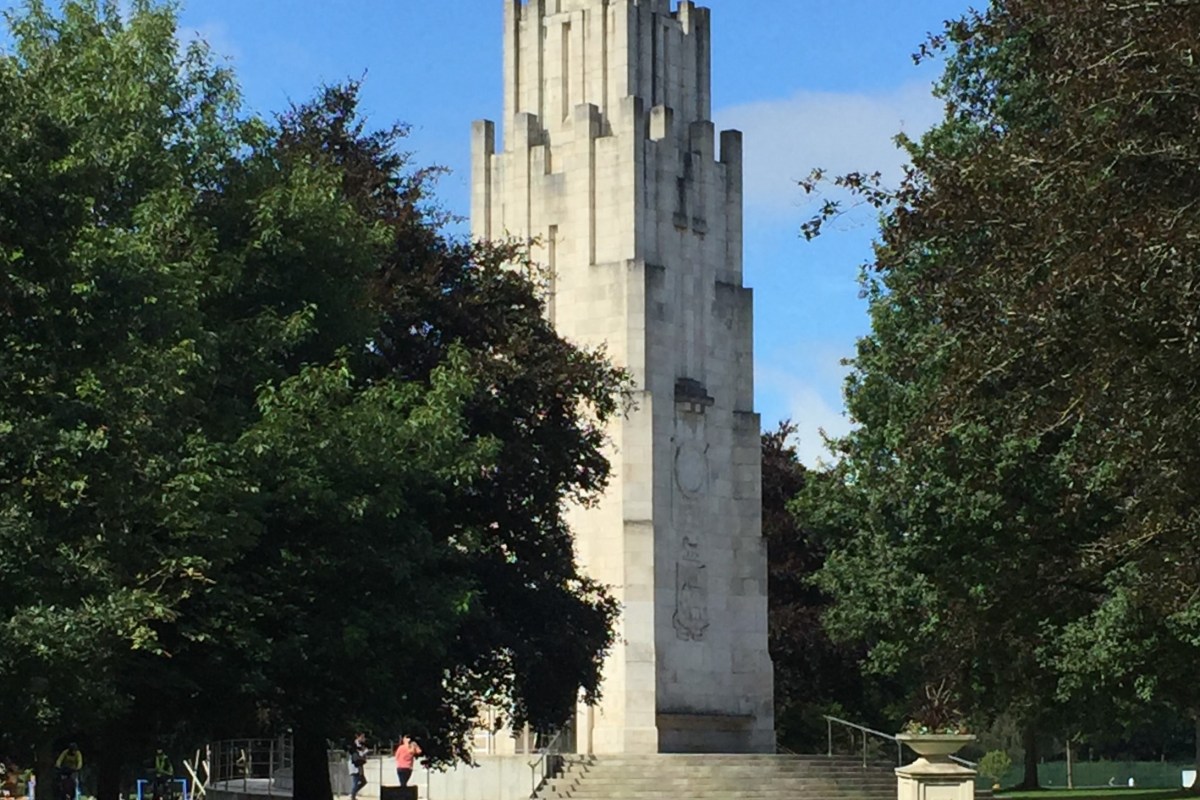
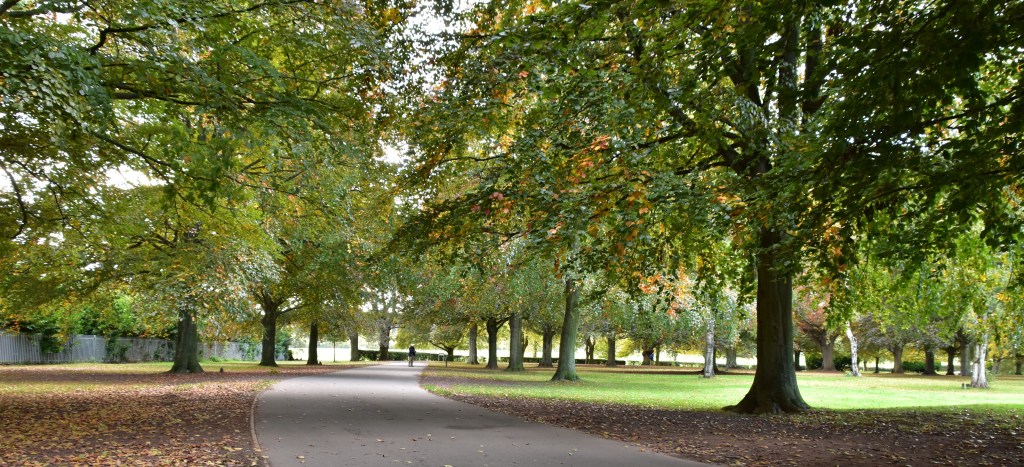
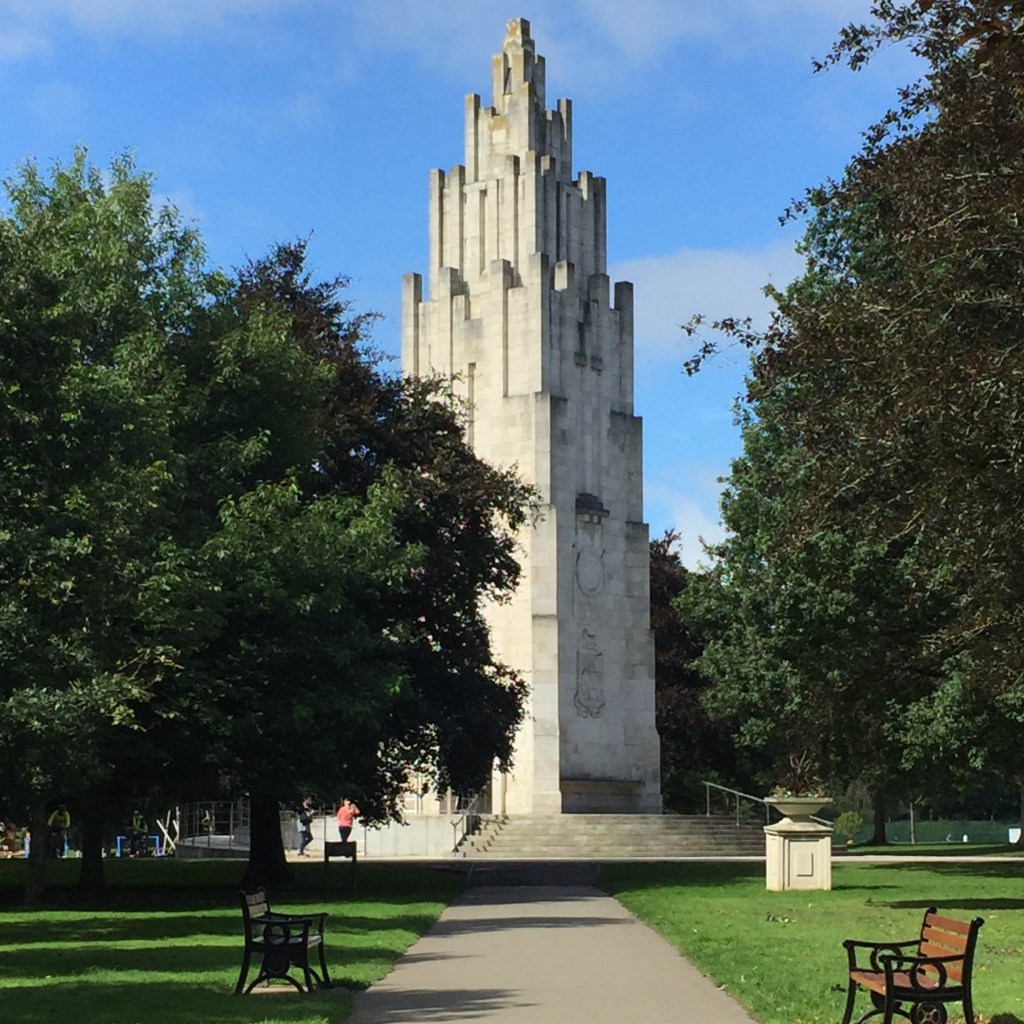
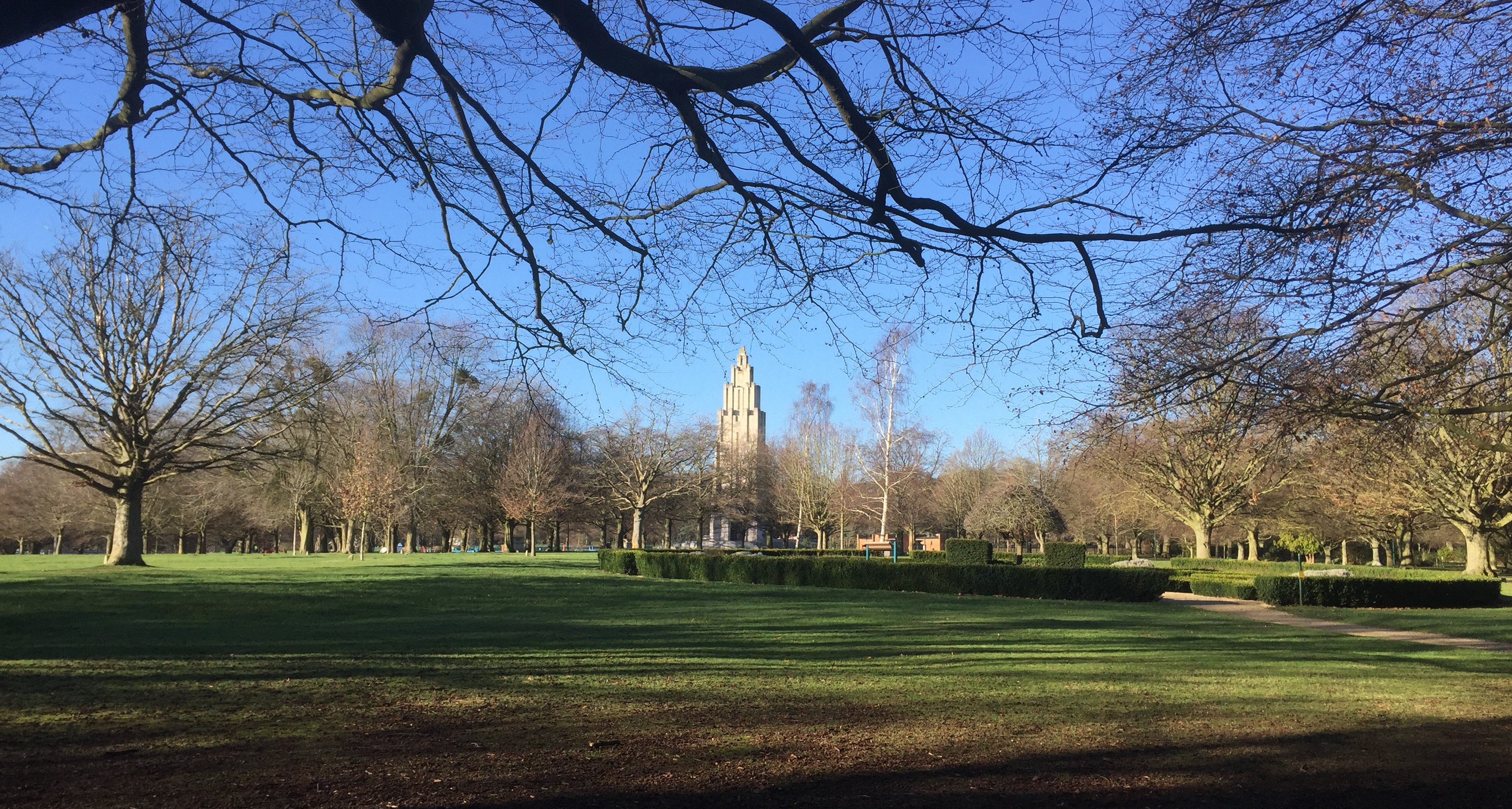
The park’s principal feature is the towering memorial monument. This imposing monument greets the visitor who enters the park from Kenilworth/Leamington Road entrance. Standing at the top of an avenue of trees, the memorial dominates the landscape by its silent, dignified presence. An eternal flame flickers at the top of the tower as a reminder of that Great War of a hundred years ago.
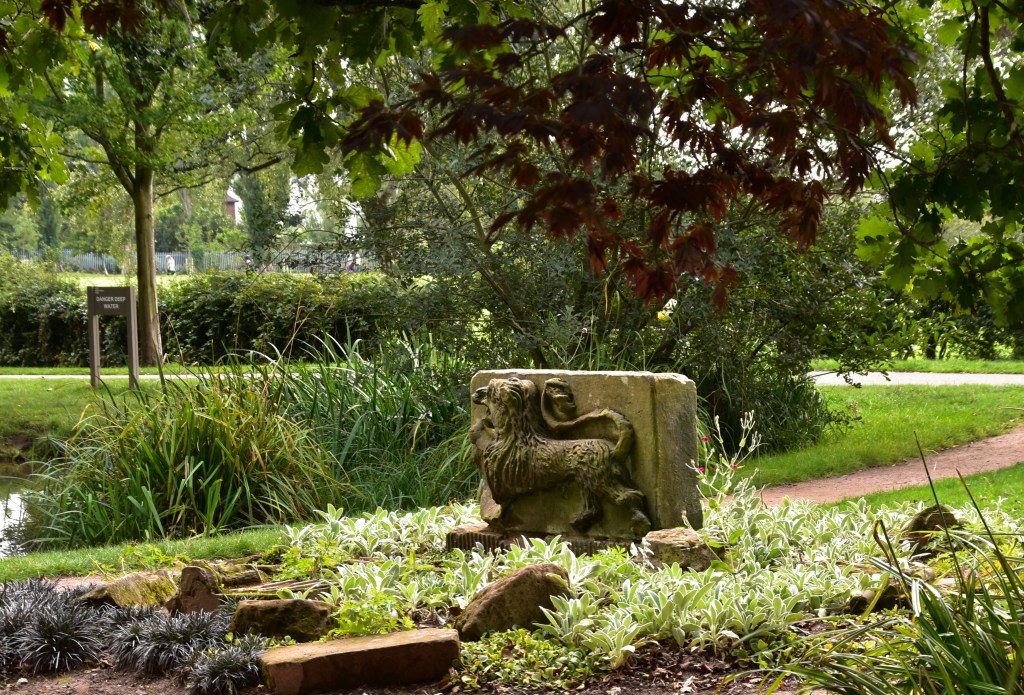
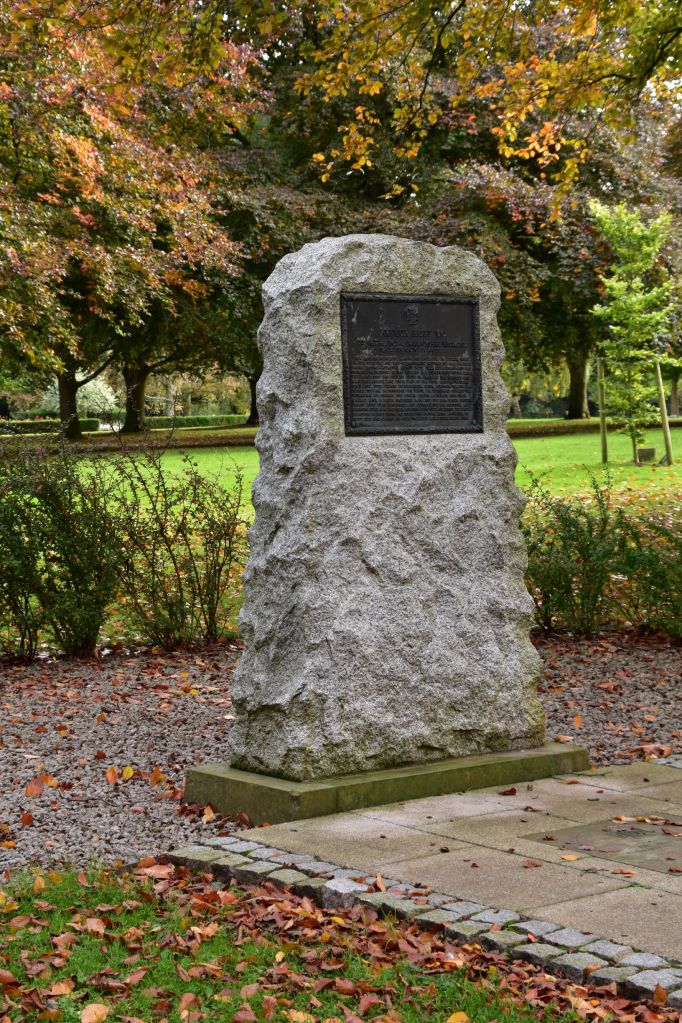
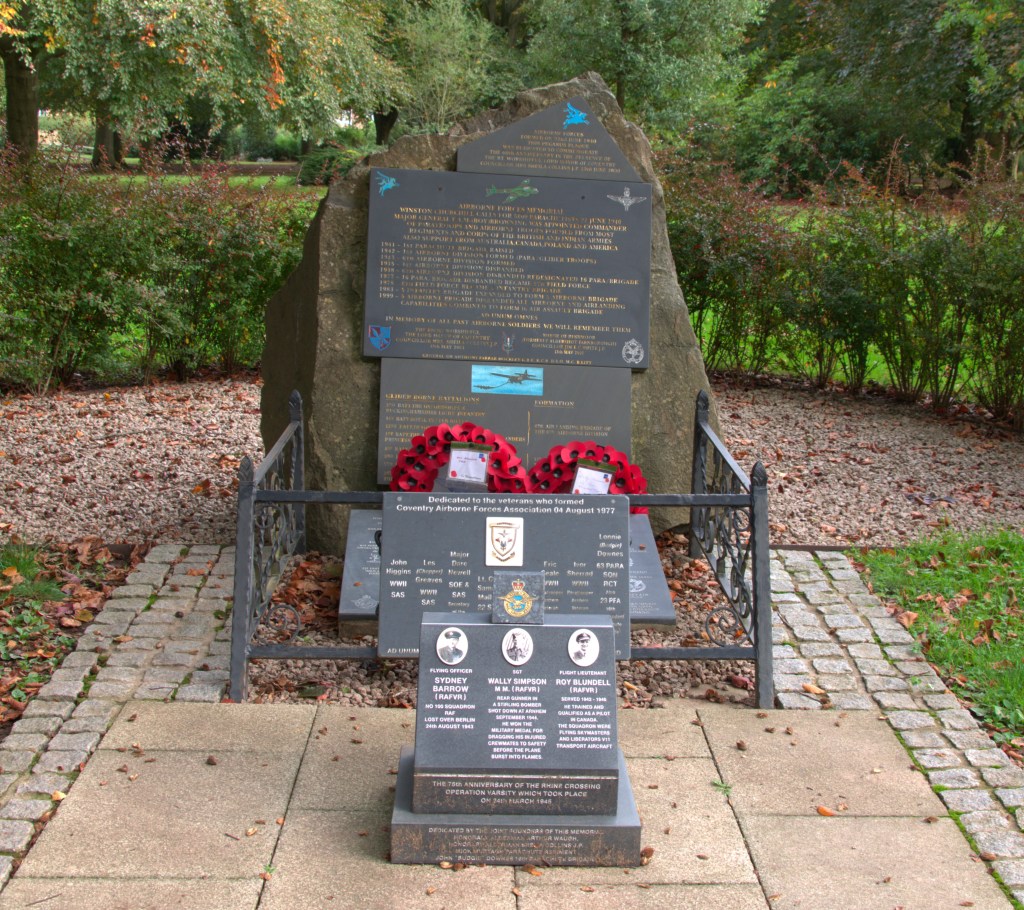
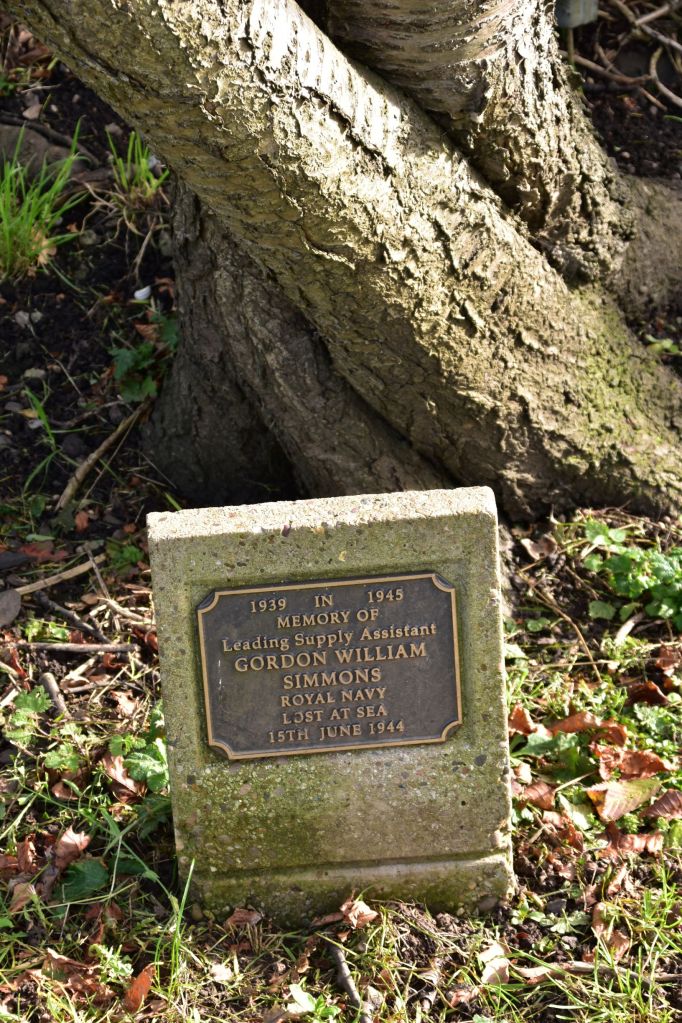
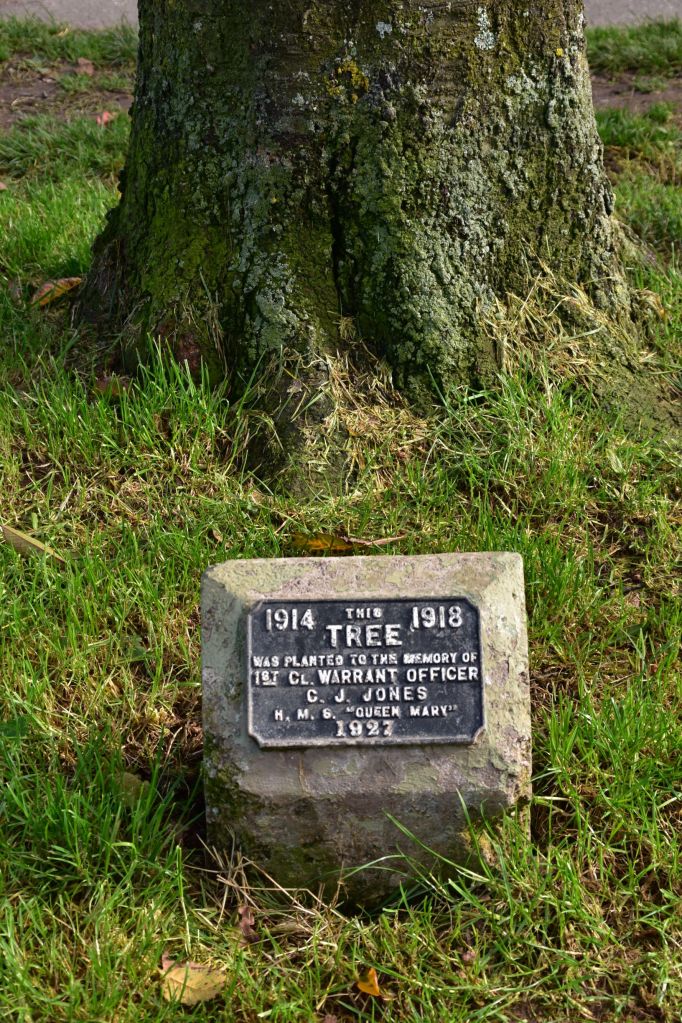
Alongside the avenue is a moving memorial to Athur Hutt, a Coventry born serviceman who was awarded the Victoria Cross. A few metres further on there is a memorial to the men and women of the WW2 airborne services. Trees throughout the park are dedicated to individual service men and women who died for their country. Plaques at the base of the trees commemorate their deaths. At the north end of the park are the concrete remains of a barrage balloon station. These barage balloons were used to protect the city against enemy air attack. Sadly, they did not prevent the city suffering from severe enemy air attacks in WW2.
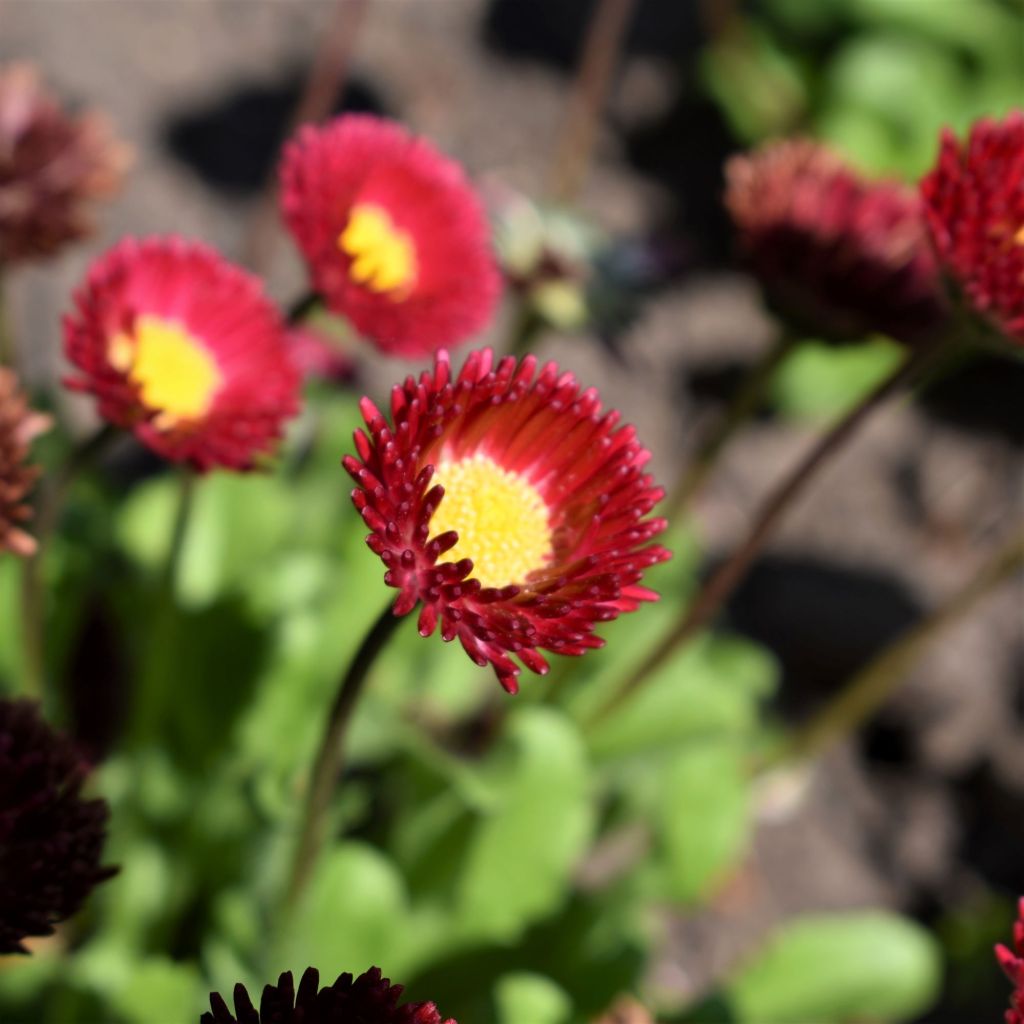
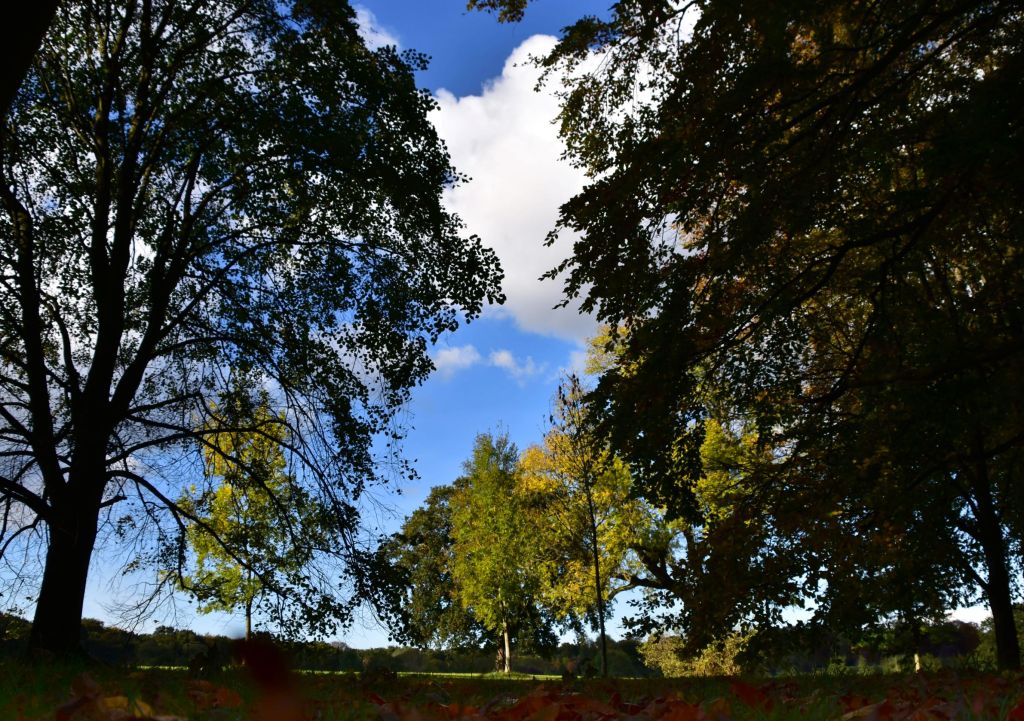
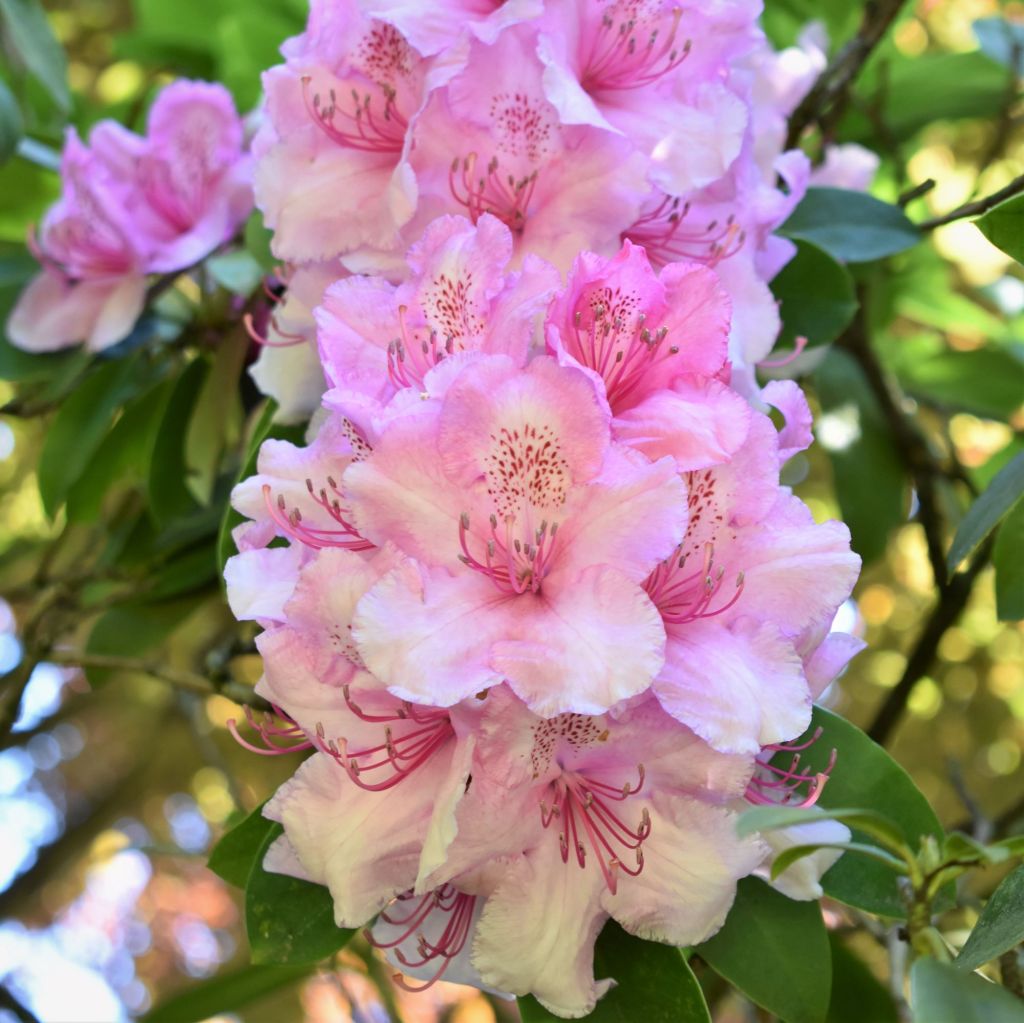
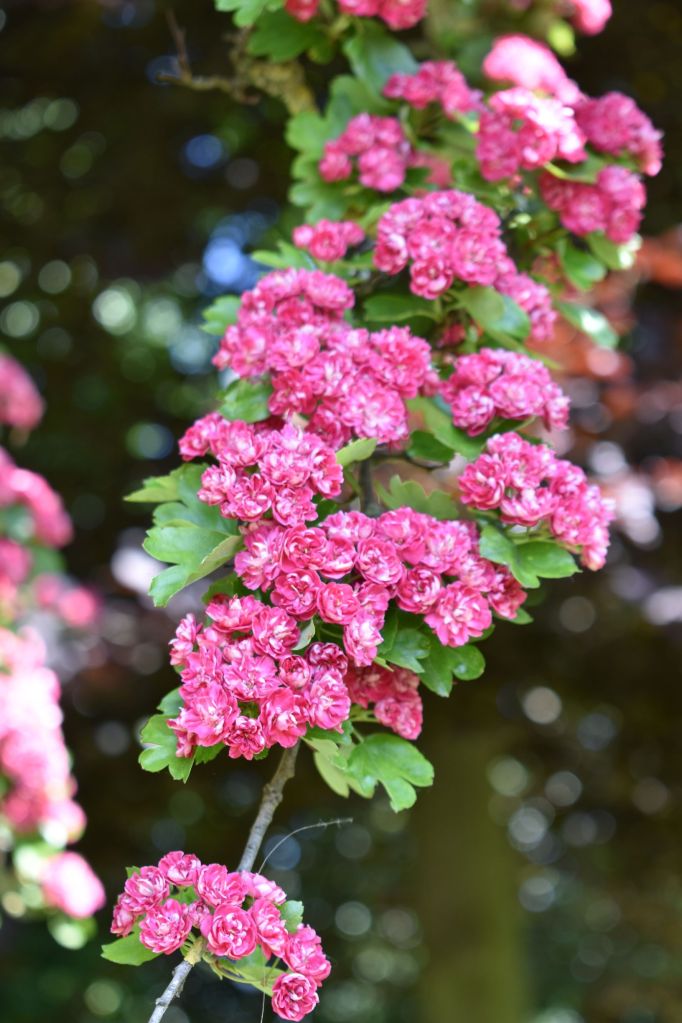
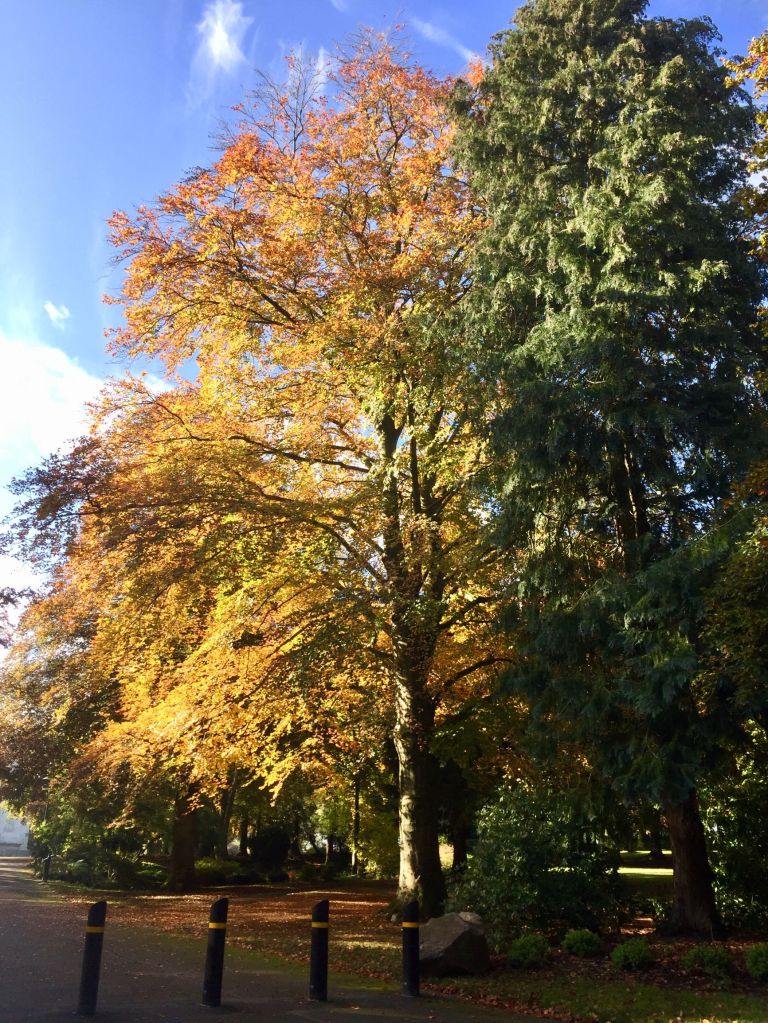
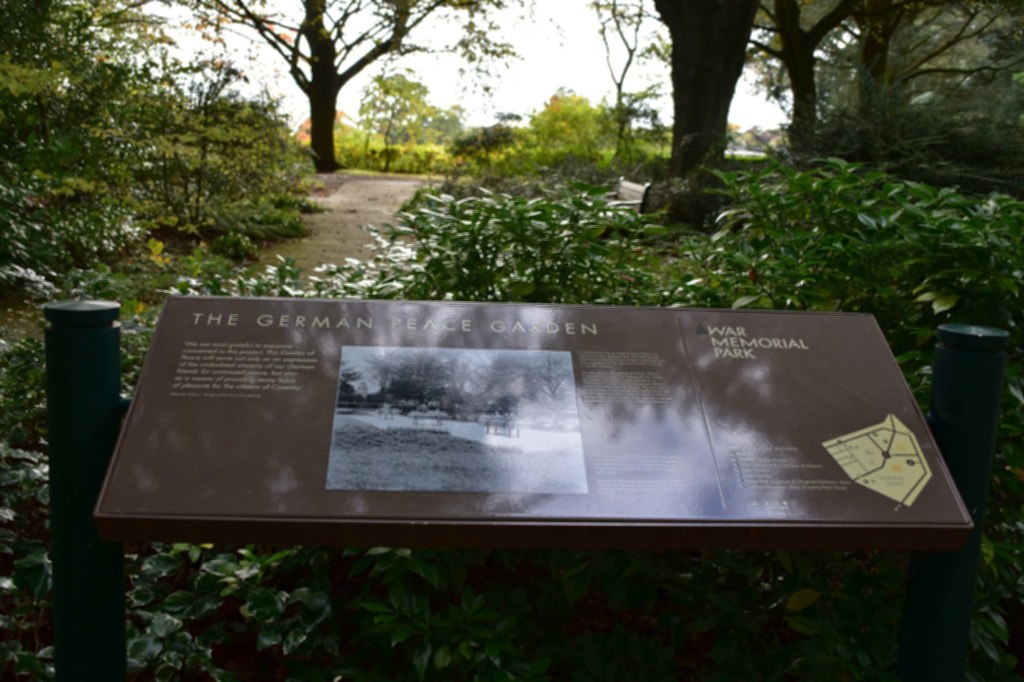
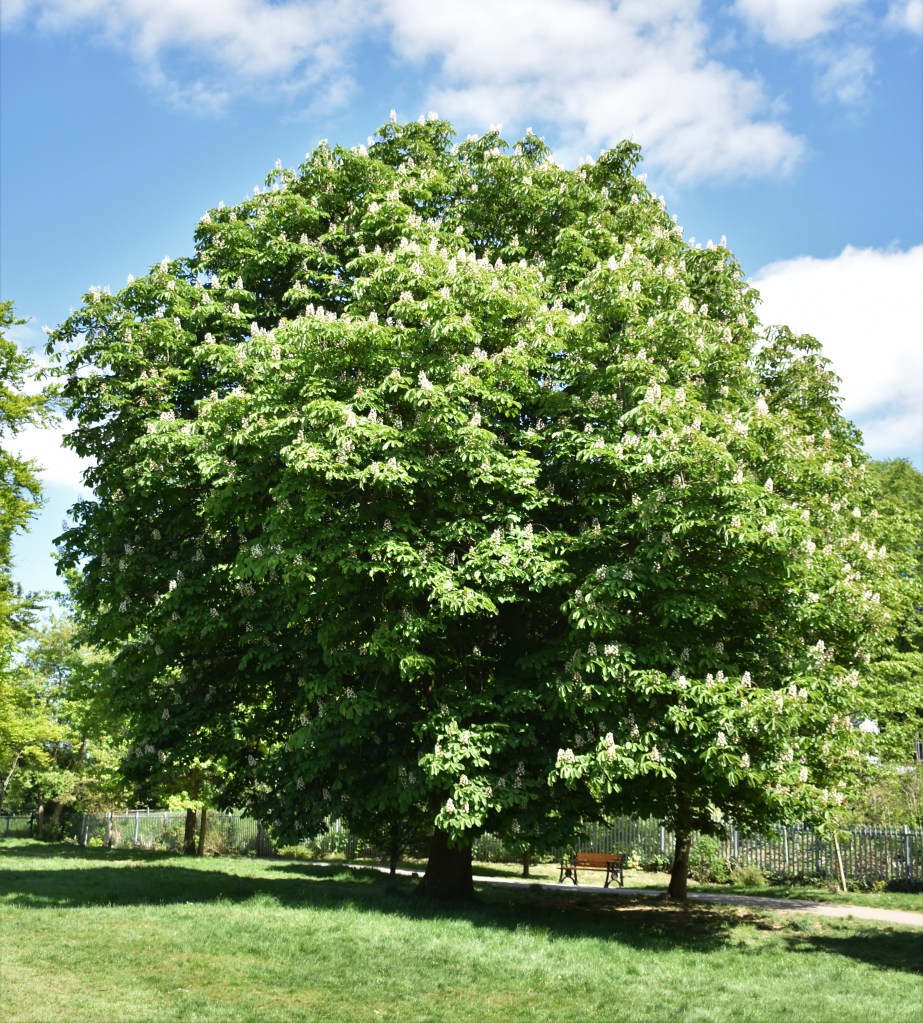
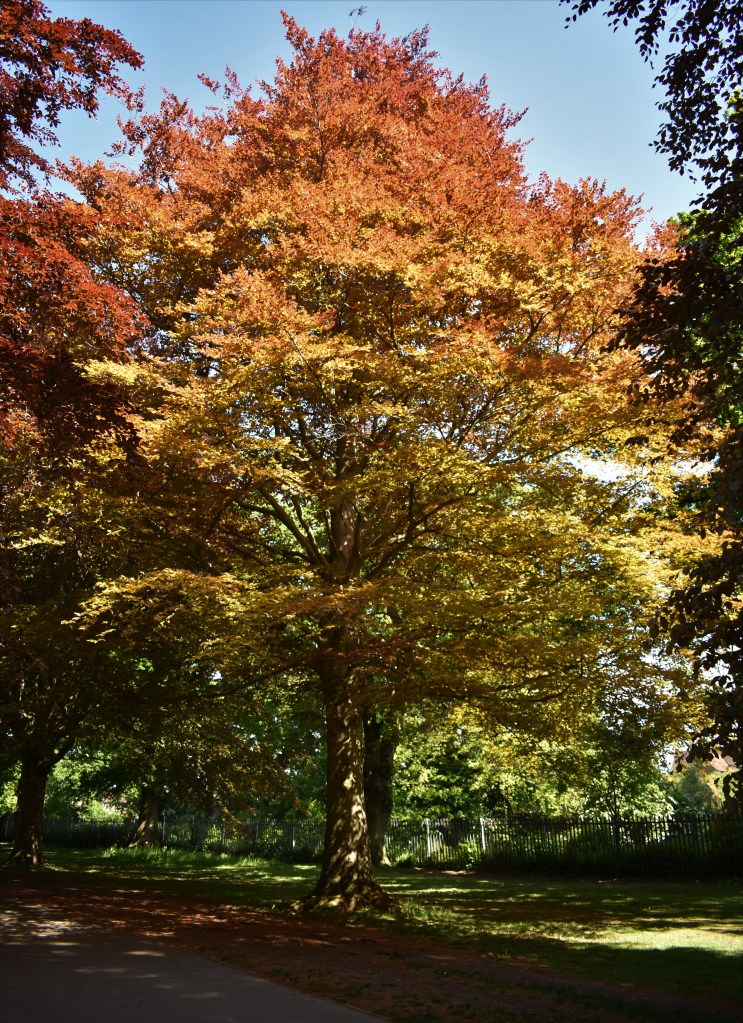
The theme of the park is now reconciliation and a beautiful German garden has been constructed as a symbol of that reconciliation. A Japanese garden is in the process of being created and it should be complete by early 2021. The German and Japanese gardens are but two of many stunning gardens that decorate the park. Regardless of the season a walk through the park gives the eyes a spectacle of colour. Then there are trees cleverly spaced around the park adding to the park’s natural beauty. The park really is a nature lover’s delight.
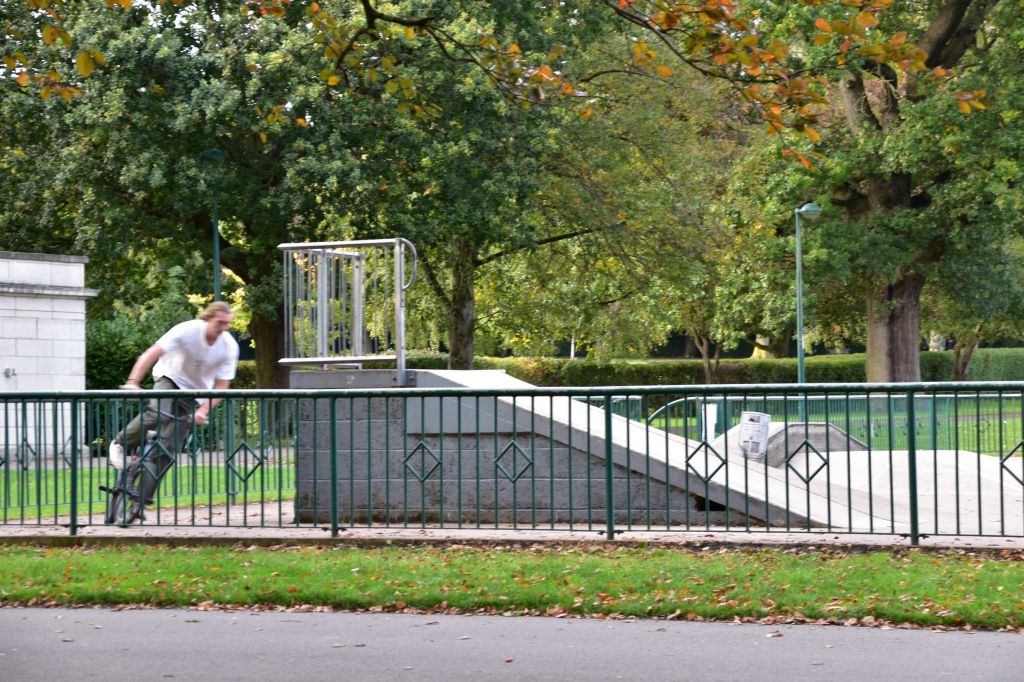
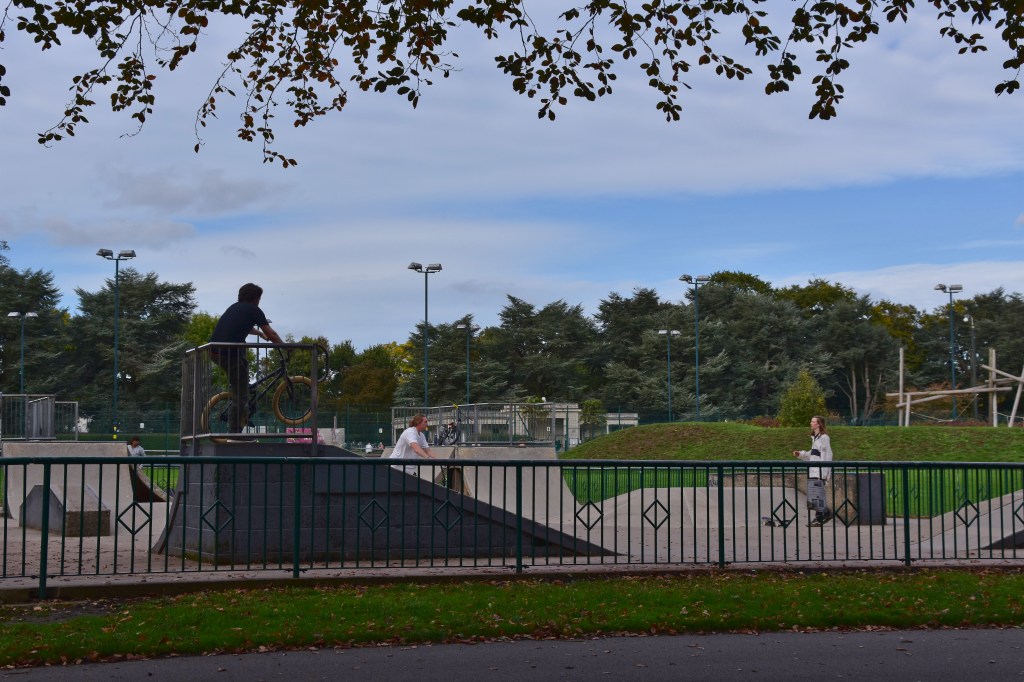
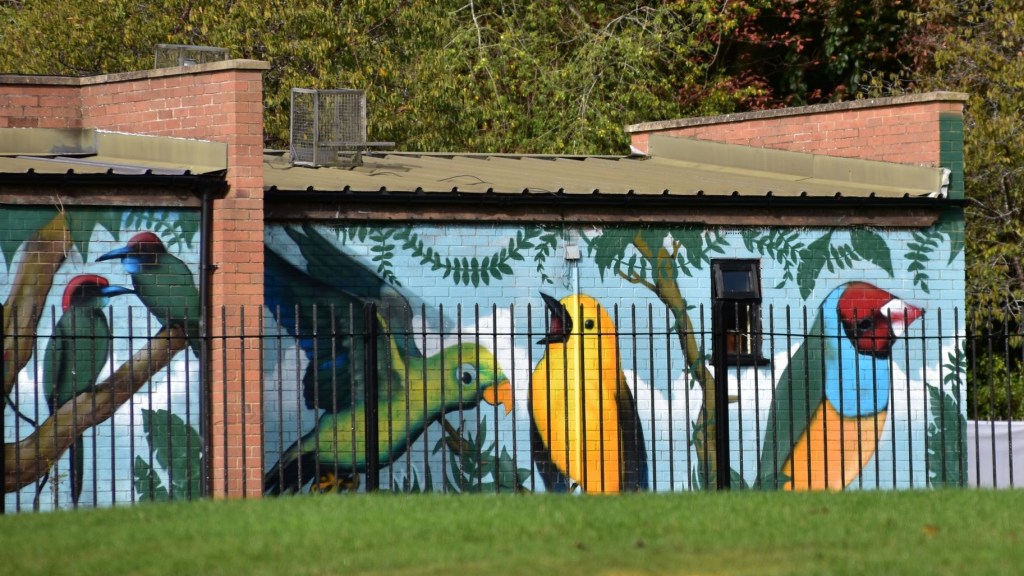
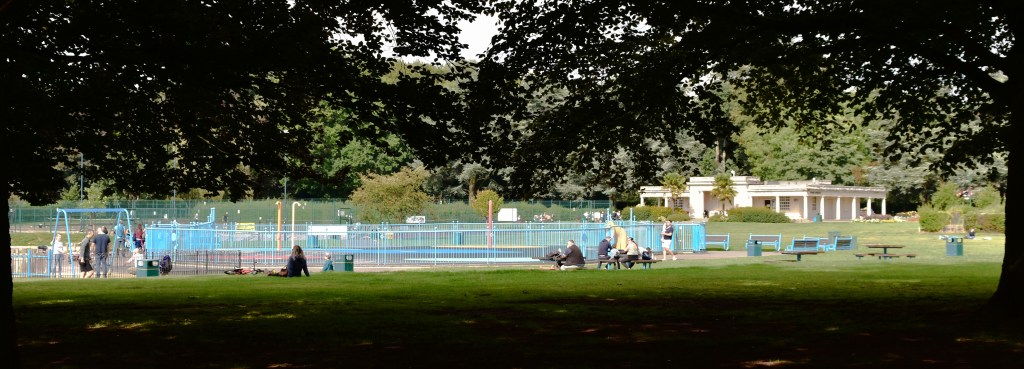
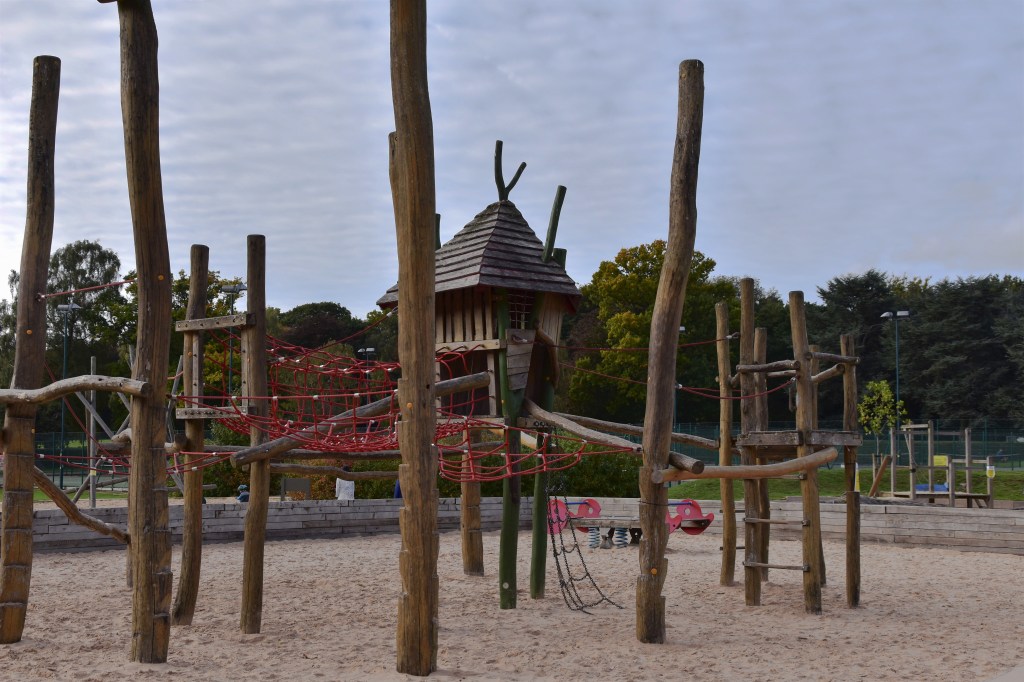
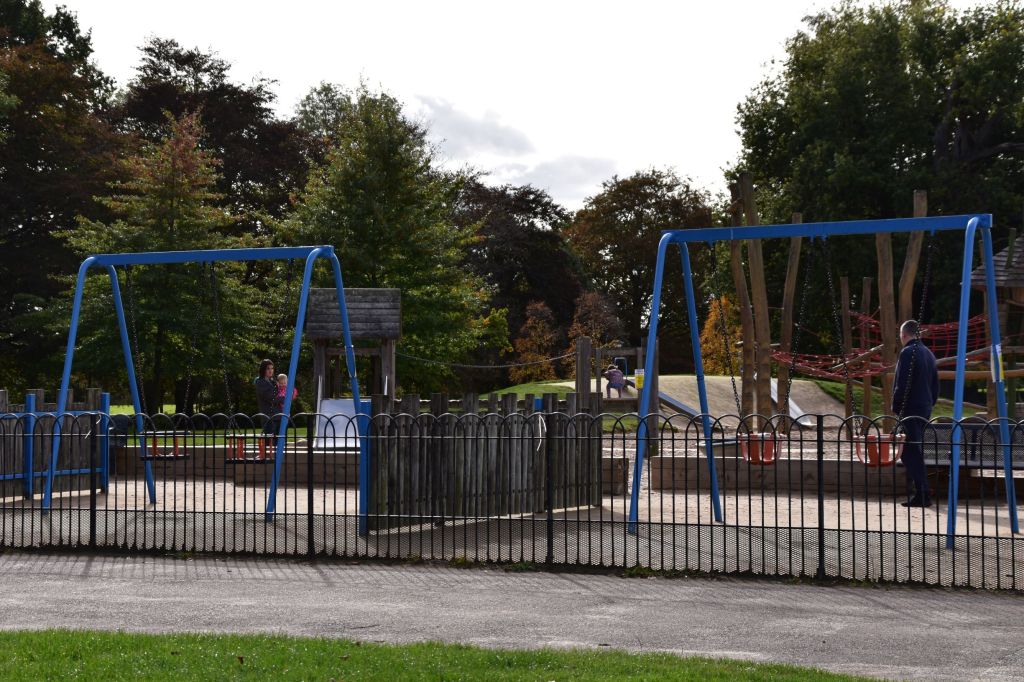
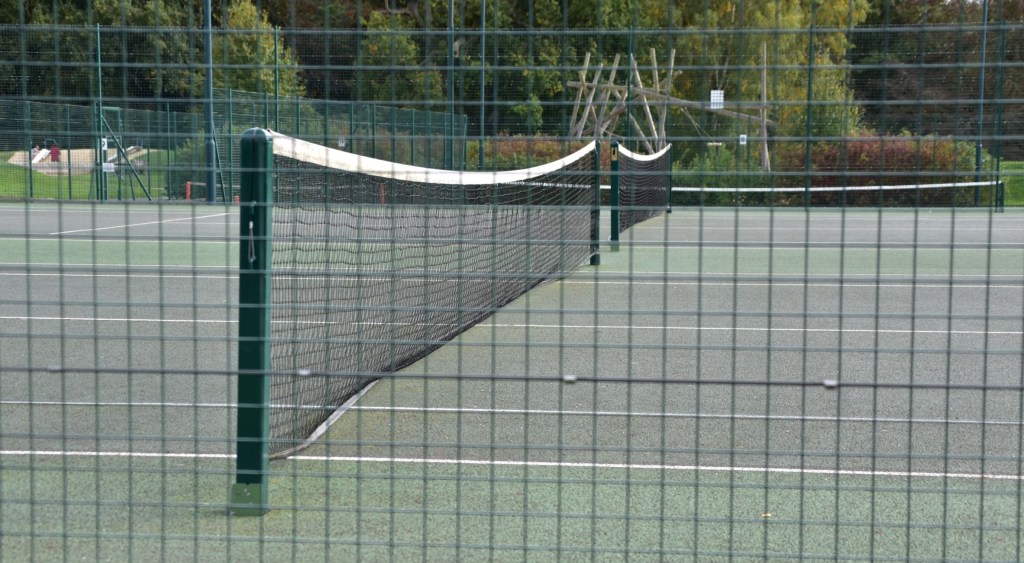
Sport is not forgotten in the park. There are football pitches, tennis courts, a bowling green and a recently developed “Footgolf” course. A cross between football and golf, Footgolf is one of those novel features which makes the park so special. The park has a skate board area, swings, climbing area, an aviary and water play area. This makes it a great place to take the children.
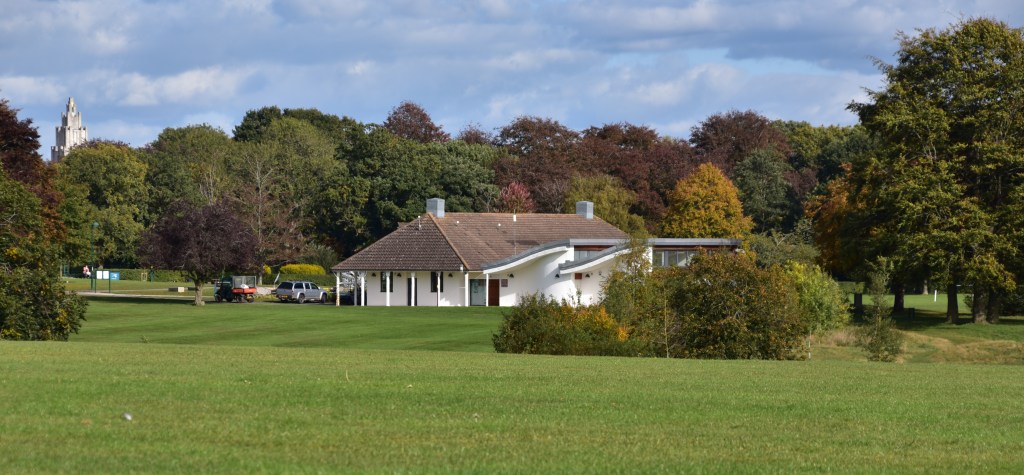
The park has two cafes. One of the cafes is housed in the visitor centre which has a small picture history of the park.
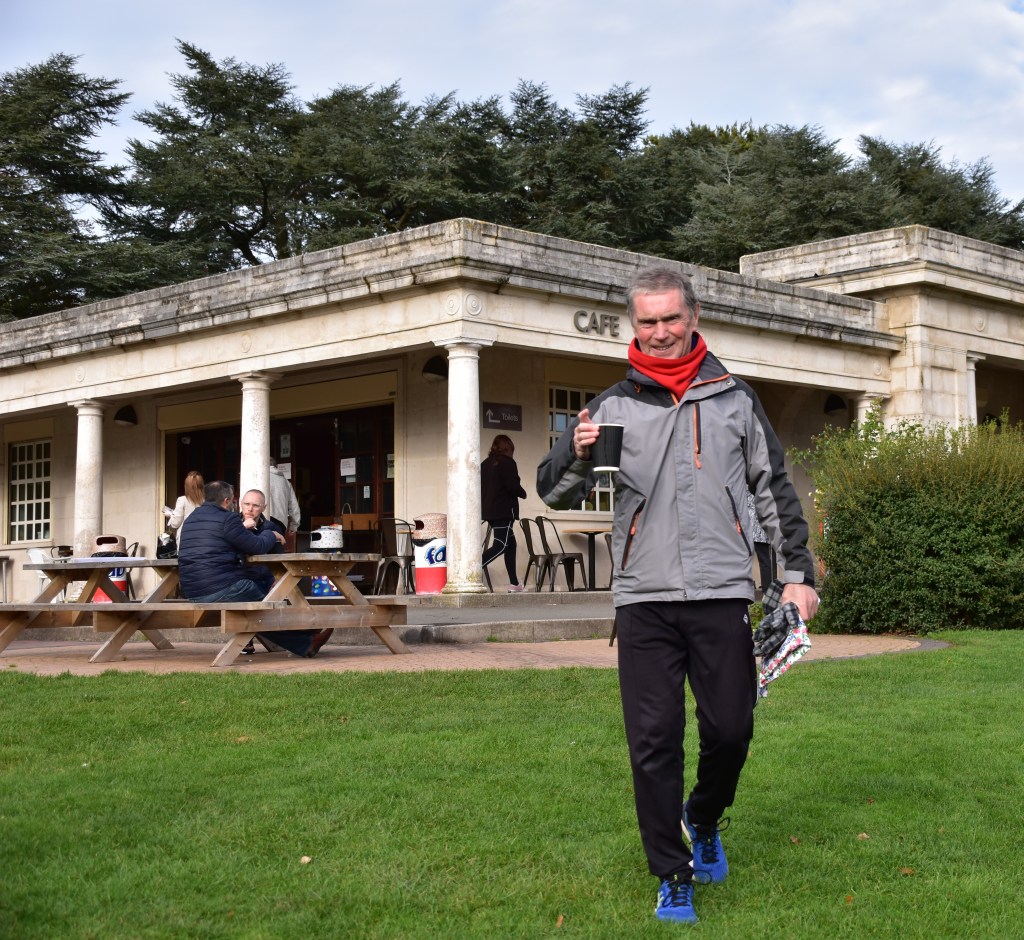
The park is home to one of the country’s best attended Saturday morning 5K parkruns and a friendly welcome is given to all parkrun tourists. The park’s other cafe is a meeting place for these runners. Manageress Kim has a special smile on her face on Saturday mornings when she greets runners who come to her cafe for a post run cup of tea and a bacon batch. A bacon batch is a Coventry speciality and Kim makes one of the best. Sadly, the parkrun is temporarily postponed due to Covid-19.
The park hosts the annual Godiva Music Festival. The festival attracts musicians from around the country and from around the world. As an affordable alternative to Glastonbury, the Godiva Festival is a must for music lovers. See our blog post on the Godiva Festival for more information.
Coventry’s War Memorial Park has so much to offer and it is so much more than just another city park. The only way you can discover Coventry’s War Memorial park is to visit it. You will be pleased if you do.
We would love to hear your thoughts in the comments section below. Please share with anyone you think may be interested. See you again soon!
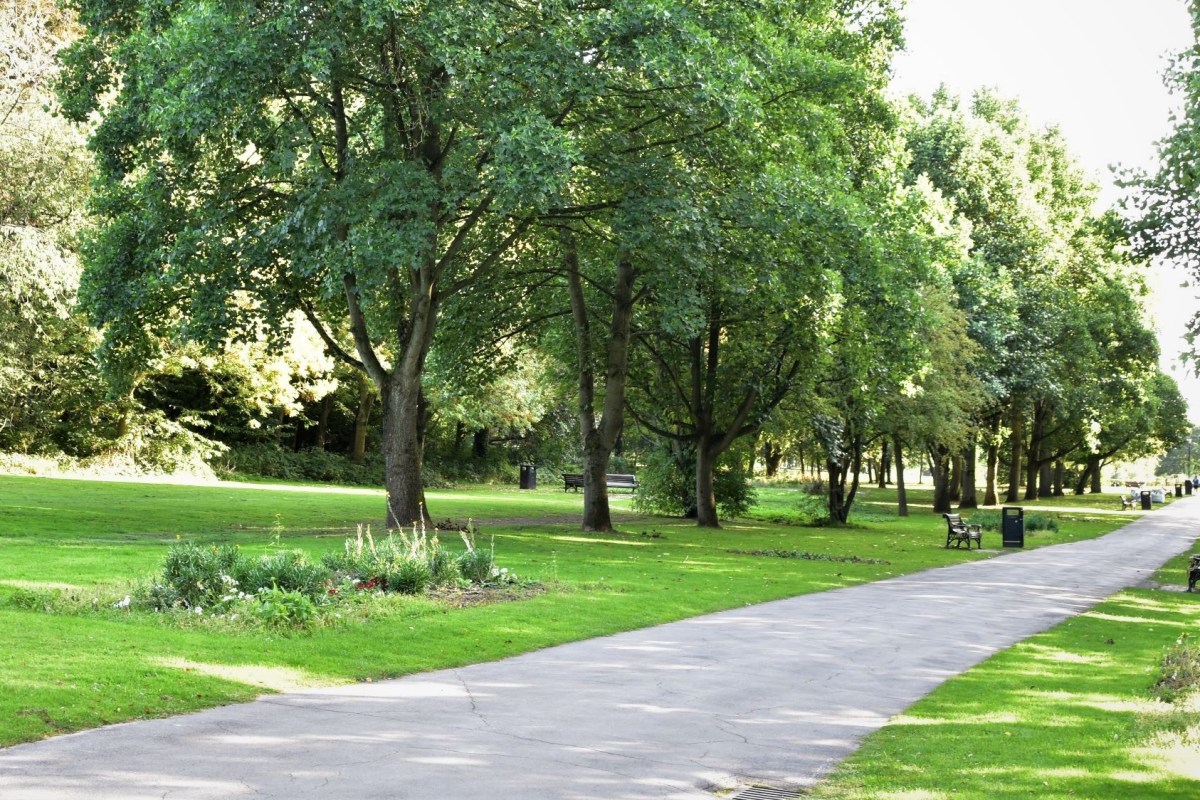
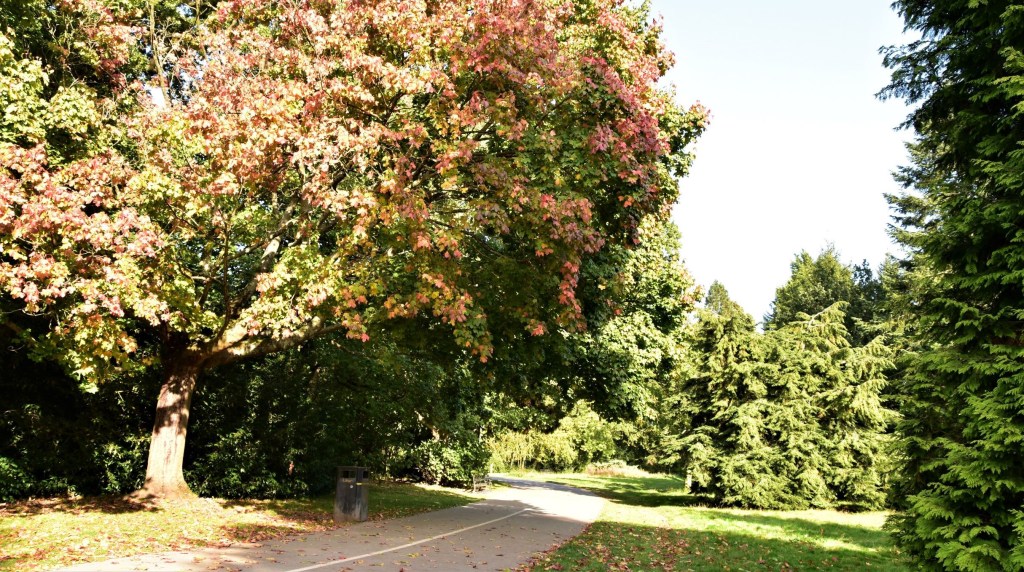
Brueton Park in Solihull is one of the country’s best kept secrets. With nearly 130 acres of open space, the park is an oasis of calm surrounded by the bustling West Midlands conurbation. Walking through its wonderful, peaceful gardens, it is hard to believe that one is so close to Britain’s second largest city and that one of the country’s busiest motorways, the M42, skirts the park’s perimeter. A visit to the park is really a pleasure.
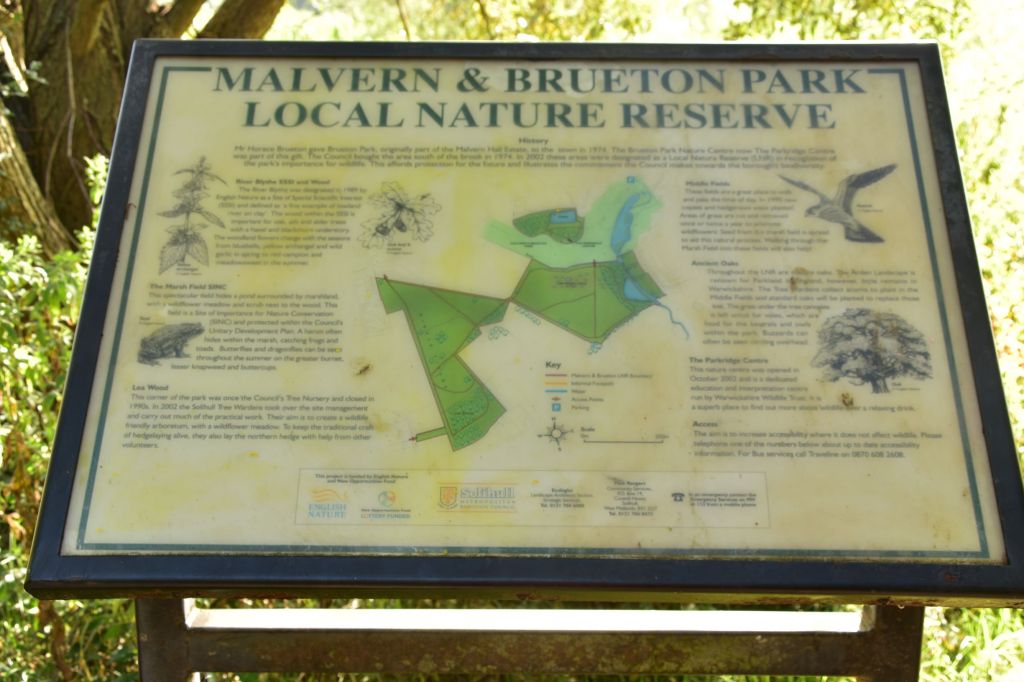
The park comprises three separate areas: Malvern Park, Brueton Park and the Parkridge nature reserve. Malvern Park was laid out by the local council in 1926 on land which was originally part of the Malvern Hall estate. Entrance to the park is a short walk from Solihull town centre. Brueton Park was kindly given to Solihull council in 1944 by Ernest Brueton and the two parks were formally linked in 1963.
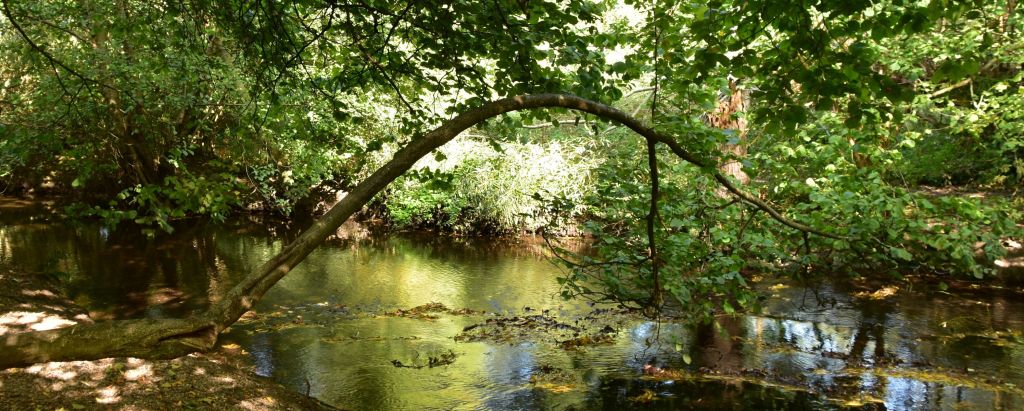
The river Blythe runs through the southern part of the park and this area is quite marshy and prone to flooding. The area became a haven for wildlife and it achieved Local Nature Reserve status in 2002 in recognition of its importance to wildlife. The reserve is now managed by the Warwickshire Wildlife Trust as the Parkridge nature reserve.
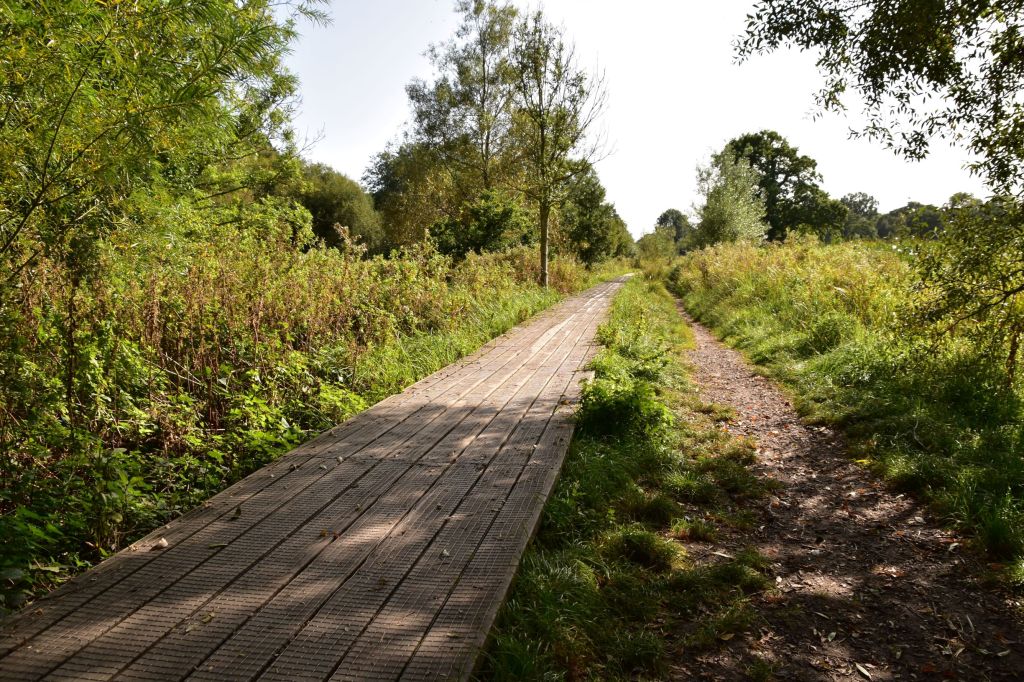
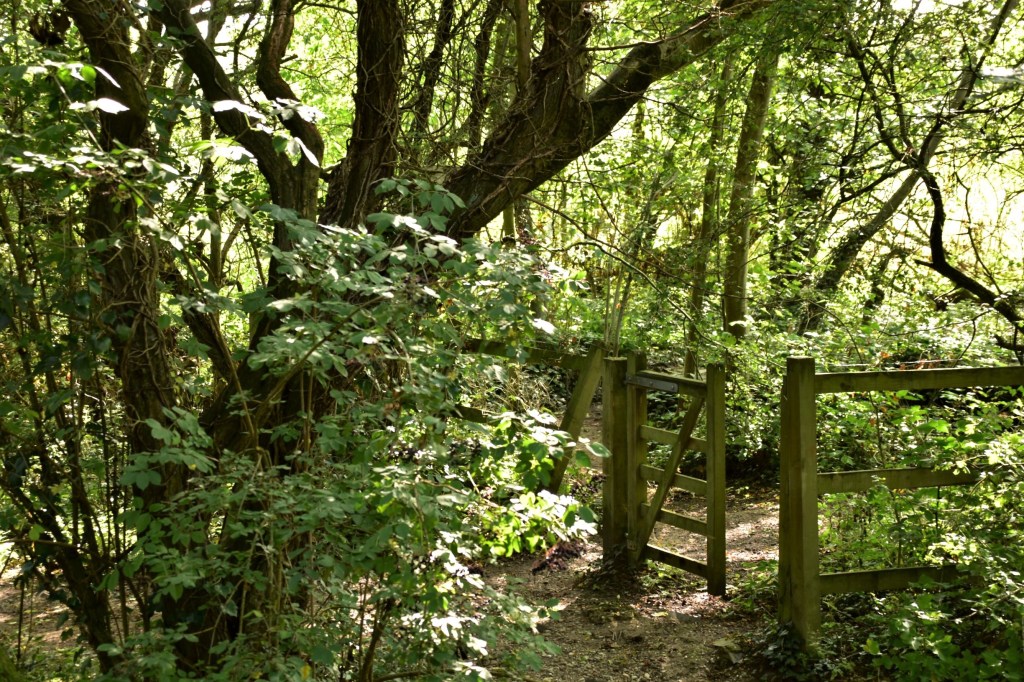
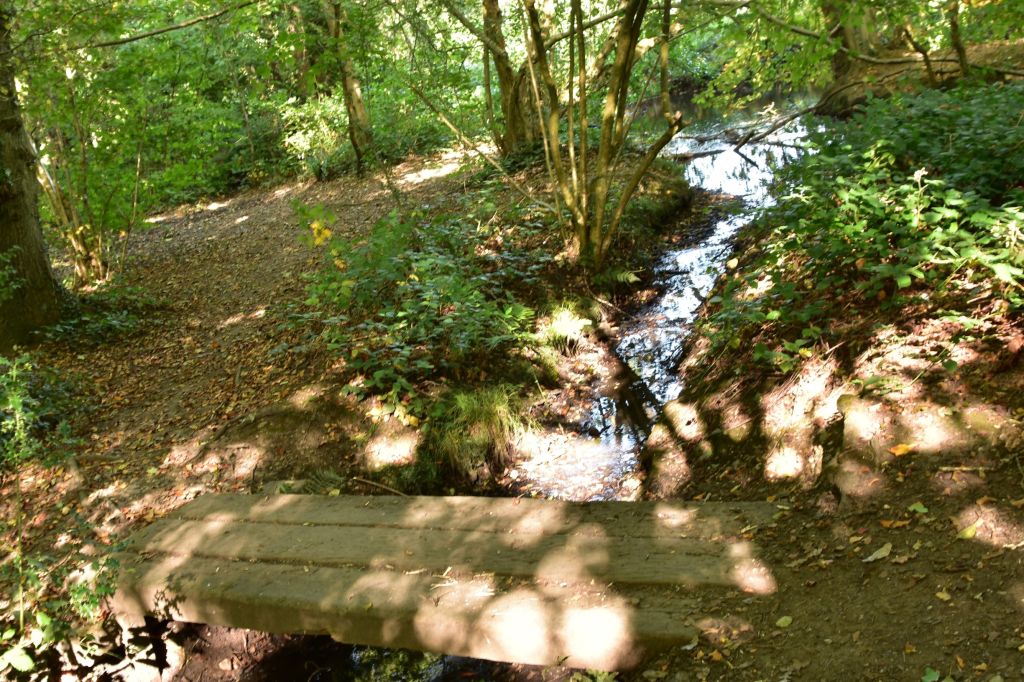
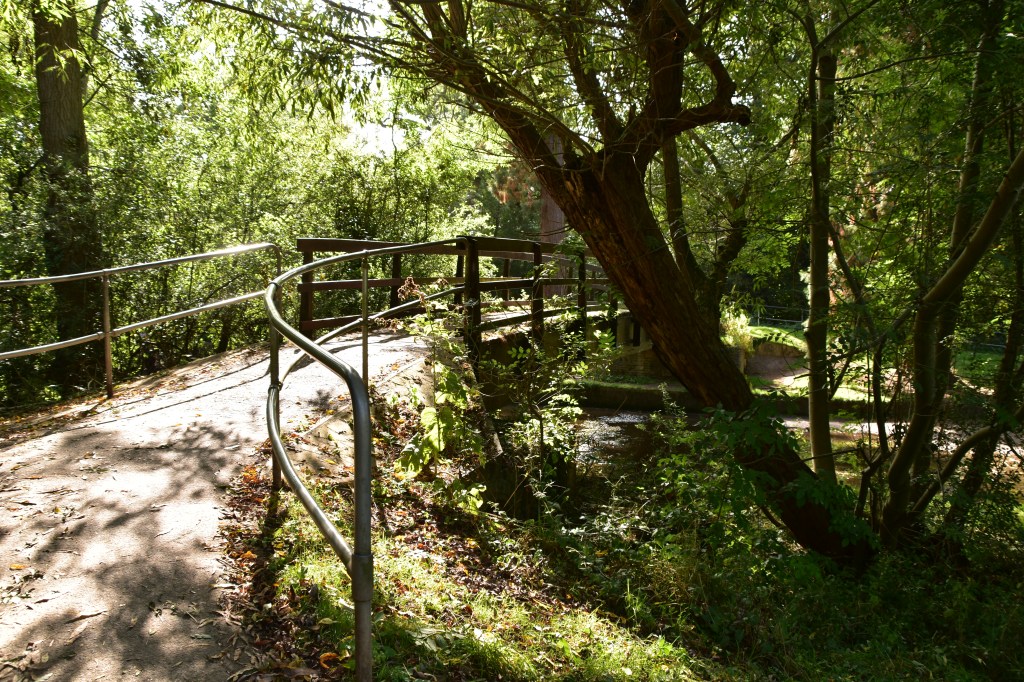
The park has traditional sports facilities such as tennis for visitors to enjoy but the truly special feature of the park is the nature reserve. There are paths through the nature reserves and safe wooden walkways where the ground is marshy.
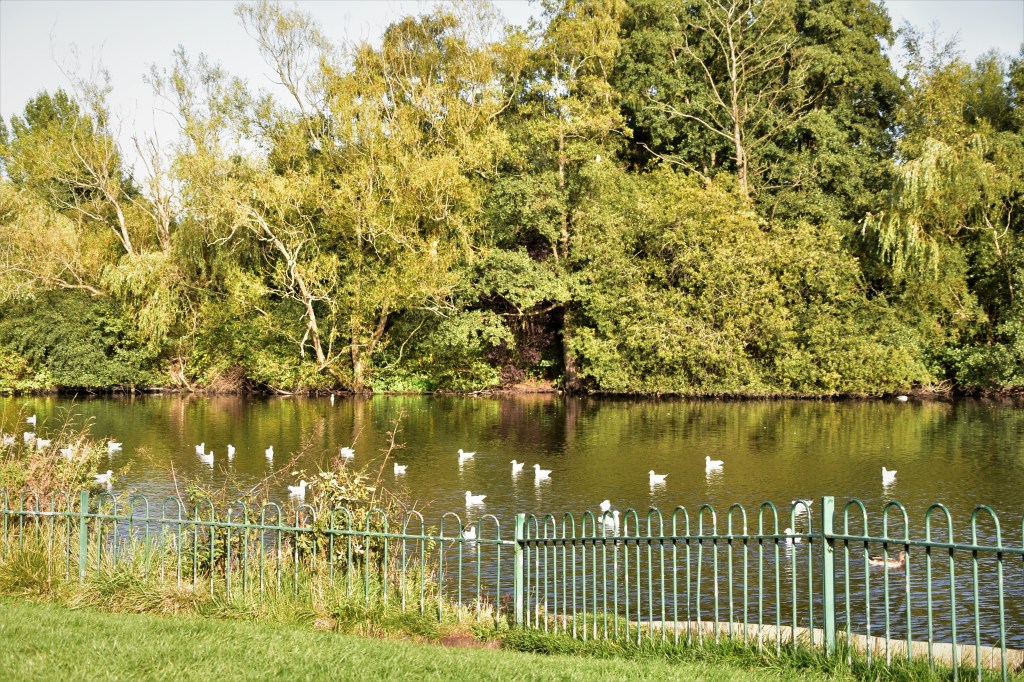
One can follow the river Blythe as it flows idly by or one can simply sit by the side of the lake and enjoy the sight of ducks, geese and swans as they glide across the water.
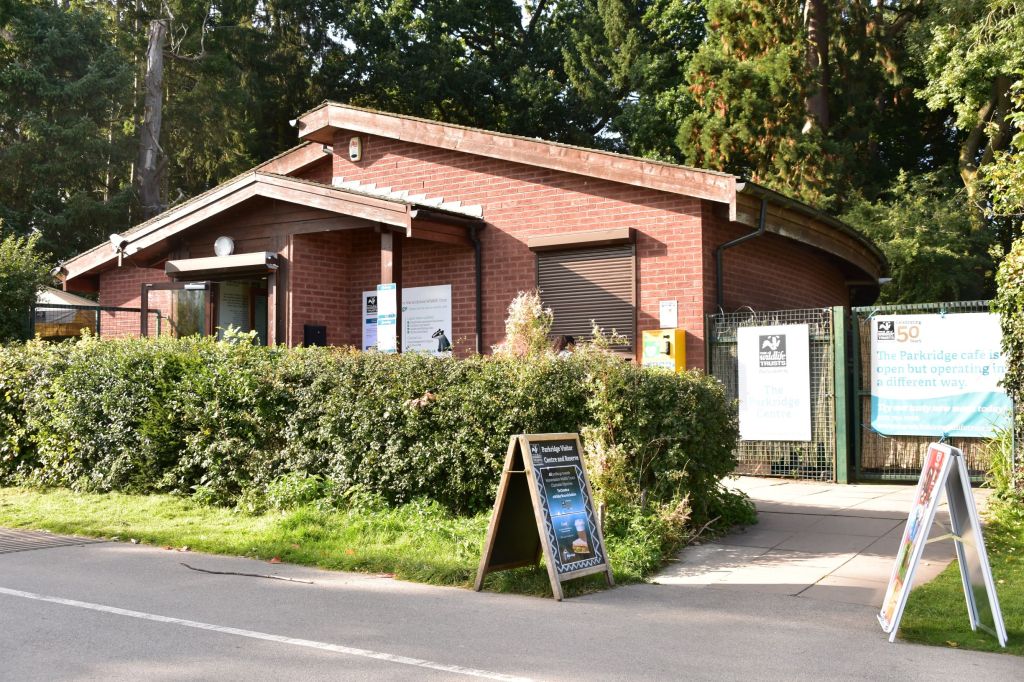
A walk through the reserve could then be followed by a well earned tea and cake at the excellent Parkridge visitor centre. There was a delicious carrot cake on offer when we last visited!
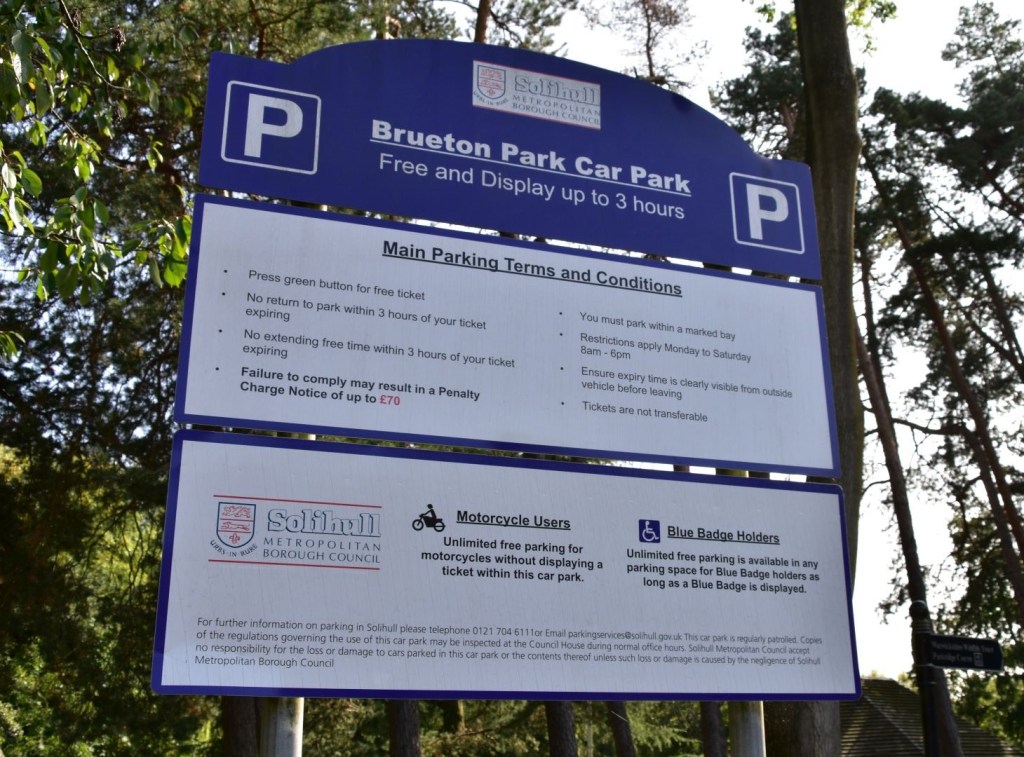
Access to the park is easy as it is so close to Solihull town centre. As mentioned, the M42 runs close by so making the park an easy driving destination for non-local travellers. The park has car parks but they are limited in space and tend to fill early. There is ample parking close by in Solihull town centre.
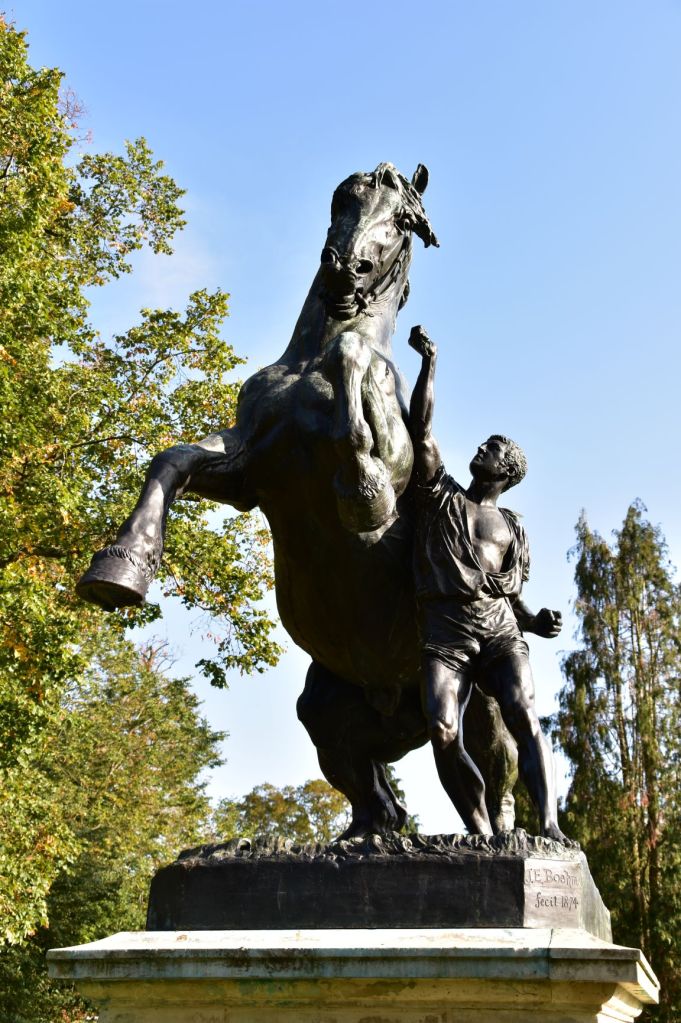
The park has many attractions for the visitor. The “Prancing Horse and Man” is a Victorian work of art which has greeted park visitors since 1944. It was donated by Oliver Bird of Bird’s Custard fame and created by the eminent Victorian sculptor, Sir Joseph Edgar Boehm.
The park is popular with joggers and runners as it is flat and has plenty of wide paths to run along. The park hosts a Saturday morning 5K Parkrun though this has been postponed till Covid 19 restrictions are lifted.
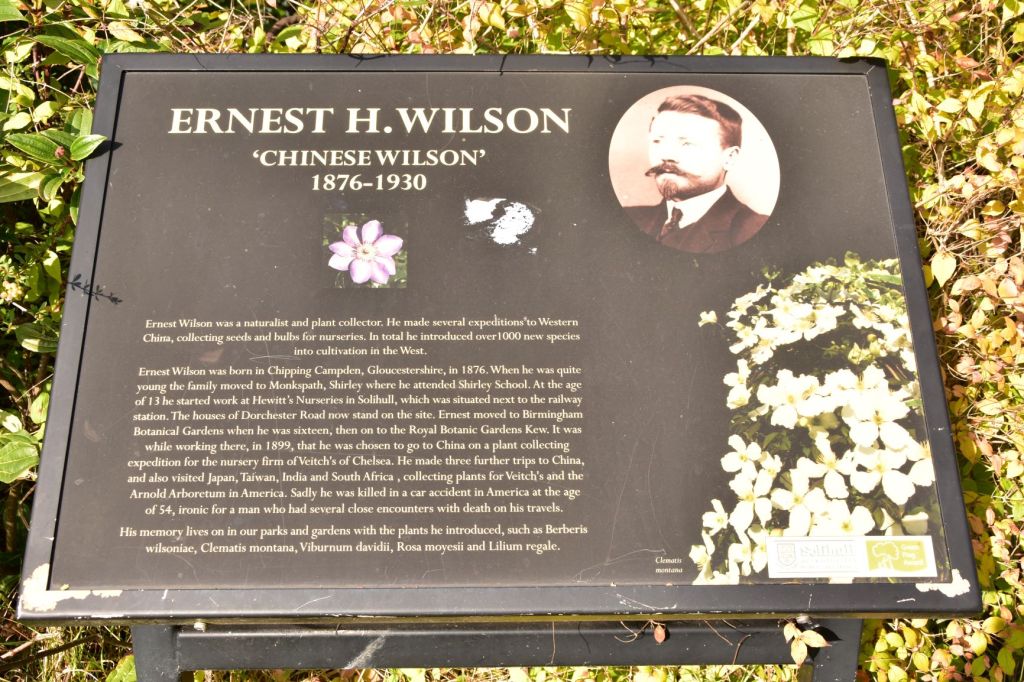
The park is home to colourful plants from around the world. Thanks for this diversity can be given to Ernest Wilson who travelled the world in a quest for exotic flora which he then brought back to decorate the park. The park has a small monument to “Chinese Wison”.
Brueton is a little gem . We have always enjoyed our visits. We hope you do too.
We would love to hear your thoughts in the comments section below. Please share with anyone you think may be interested. See you again soon!
The Isle of Lewis is the northern part of the Hebridean island commonly referred to as Lewis and Harris. The reasons for the split between the Isles of Lewis and the Isles of Harris are now lost in history but may be due to rivalry within the dominant local clan, the Macleod clan. Even as recent as 1975, Lewis was a separate administrative region, a part of the mainland county of Ross and Cromarty. Harris was an administrative region of Inverness Shire. Now, both Harris and Lewis are a part of the Western Isles Council.
We took the short ferry crossing from Berneray and arrived at Tarbert on the Isle of Harris. Calmac Ferries have a great value passenger ticket called the Hopscotch 23. We used this ticket for all our ferry journeys between the islands and we would recommend it.
Harris and Lewis are connected by a short isthmus just north of Tarbert. The official boundary between the two isles is a few miles north of Tarbert and crosses the rugged terrain of Harris. There is a scenic walk that follows the boundary. We never did the walk but details can be found at this website for anyone who wishes to enjoy the challenge of doing it. https://marccalhoun.blogspot.com/2018/03/lewisharris-border.html
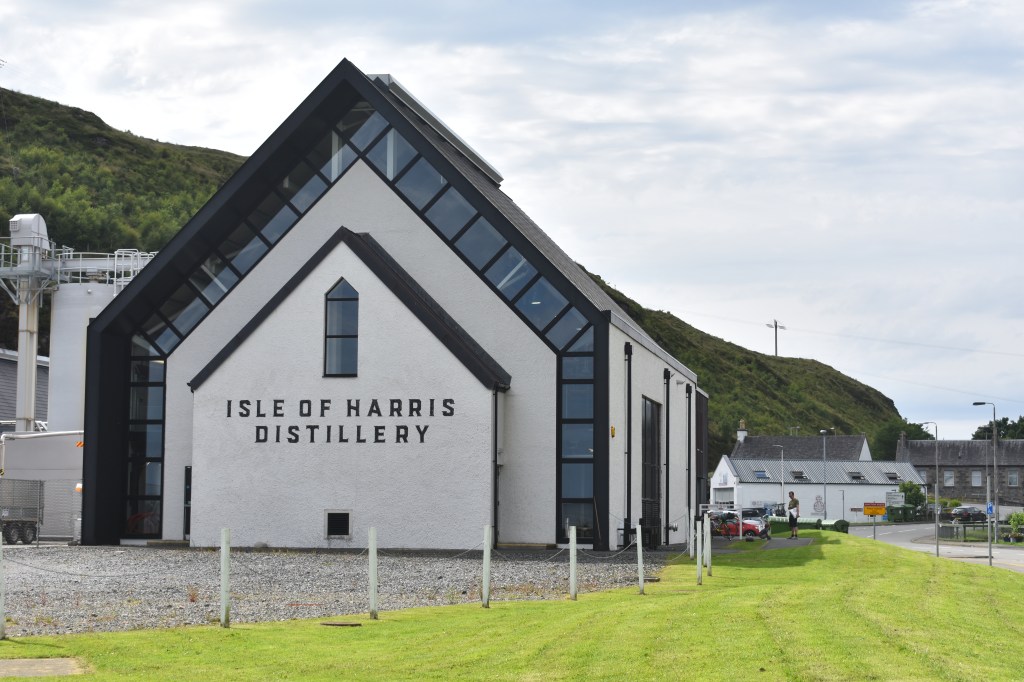
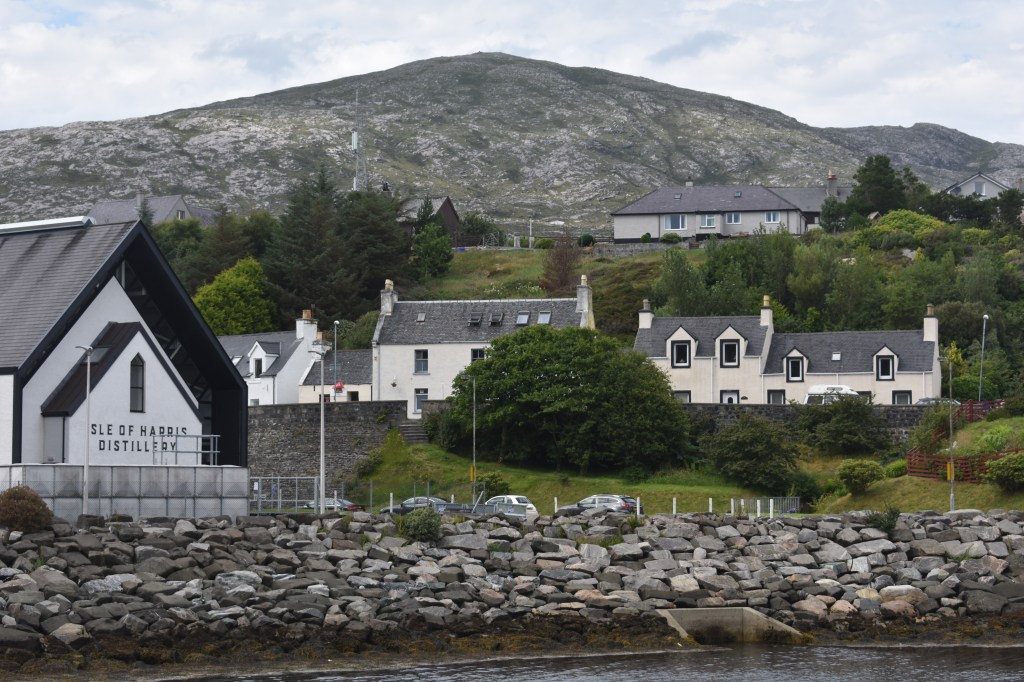
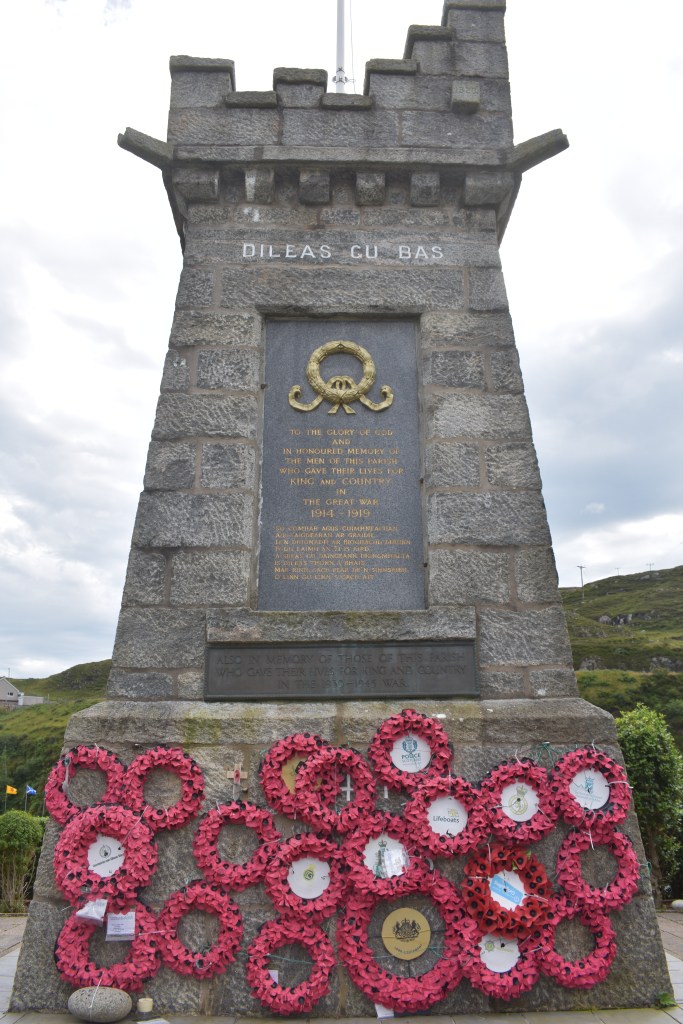
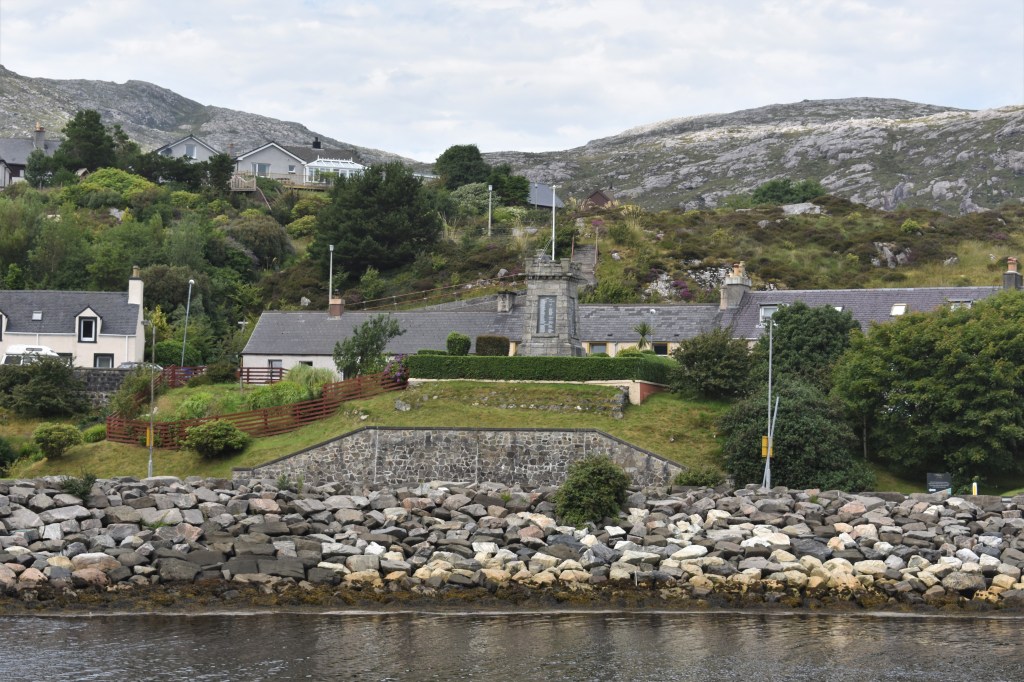
Though only a small town of less than a thousand people, Tarbert boasts its own Harris Distillery, set in a modern building. The distillery has a wide selection of both whiskeys and gins to be sampled. It is definitely worth a visit. Tarbert also boast an impressive War Memorial which has pride of place in the centre of the town. Again, worth a visit.
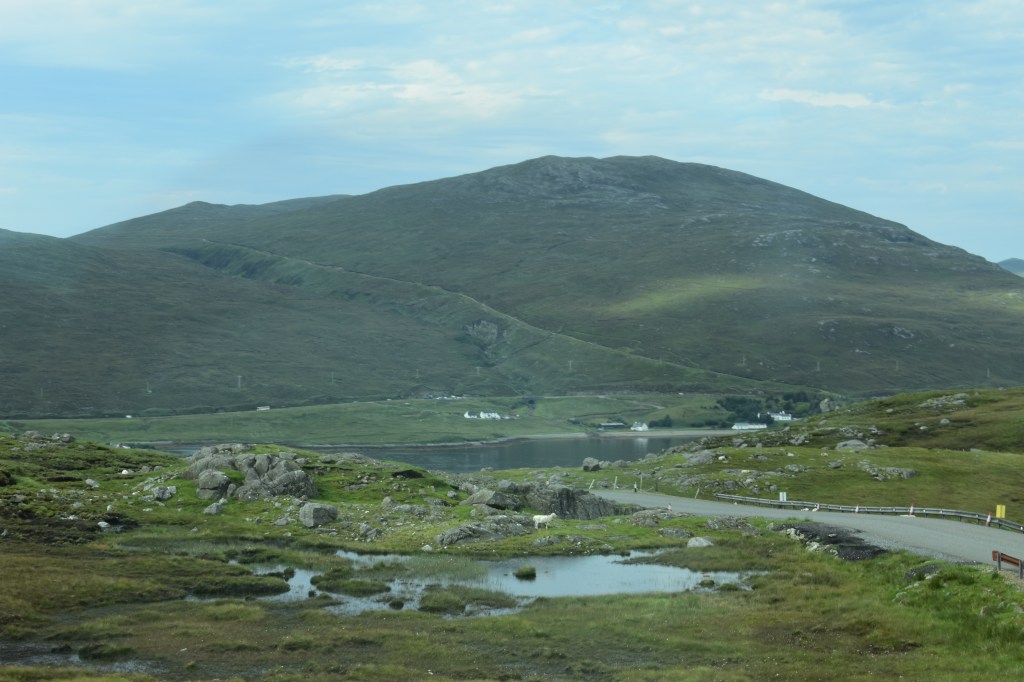
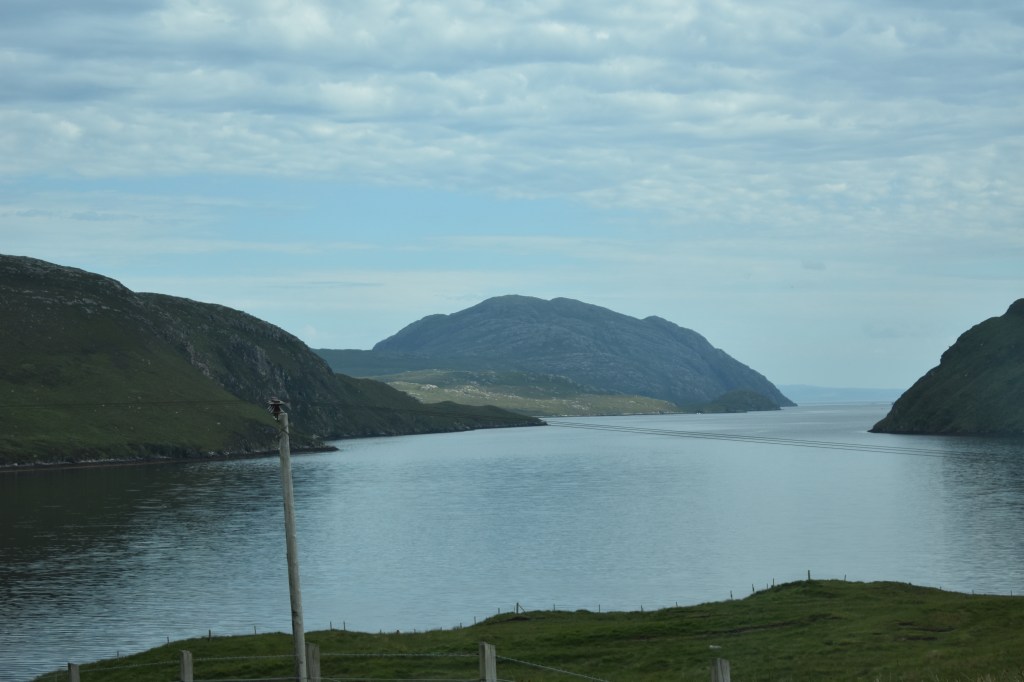
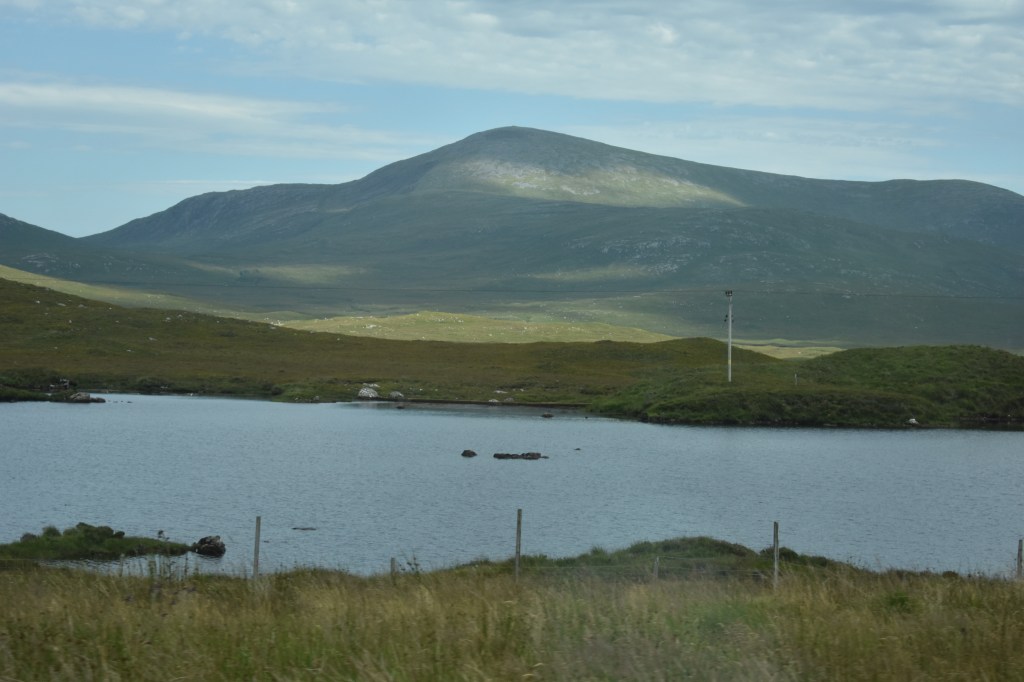
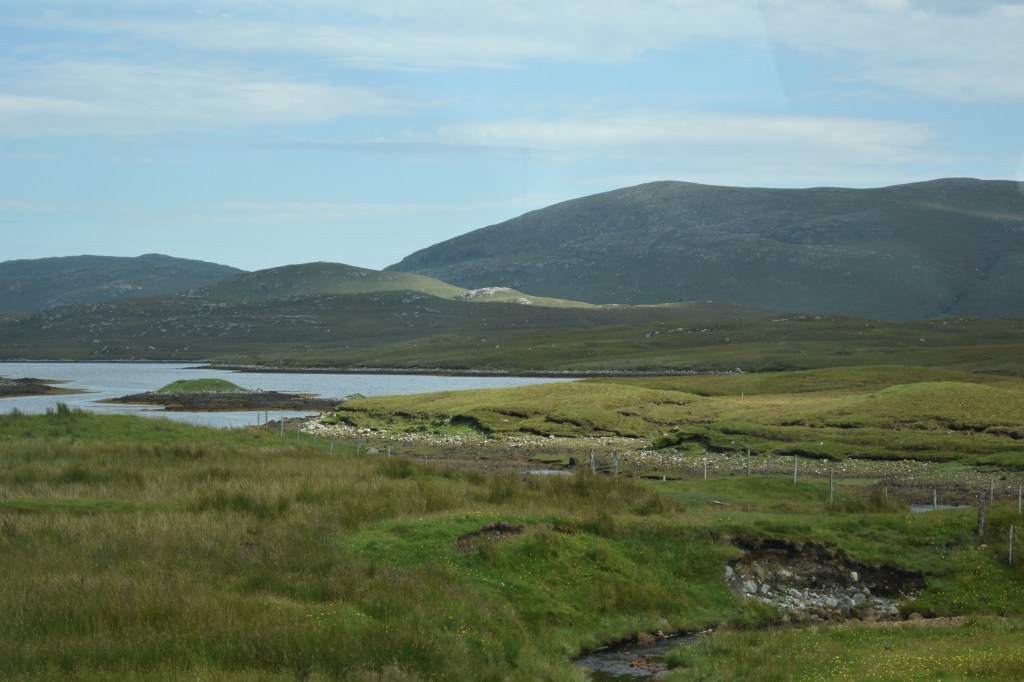
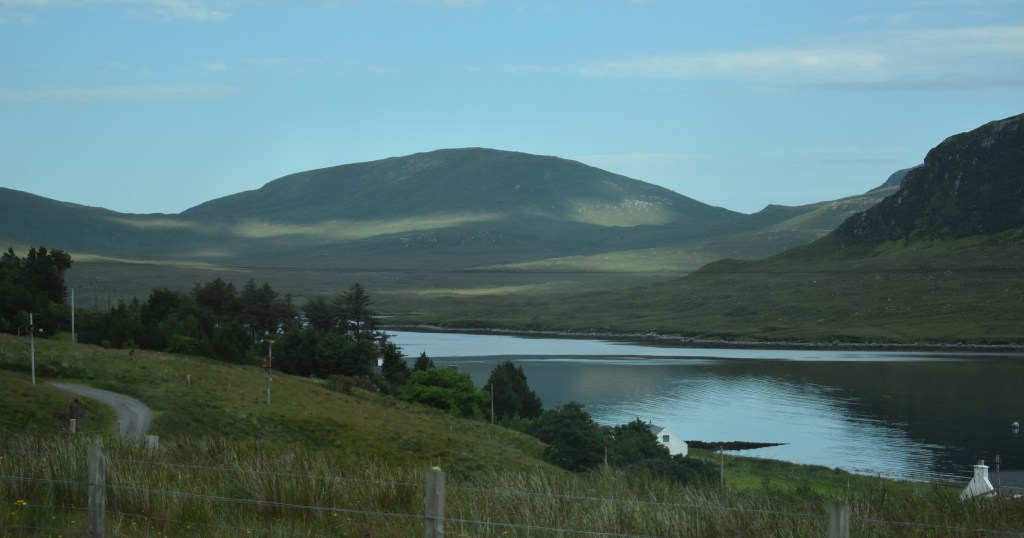
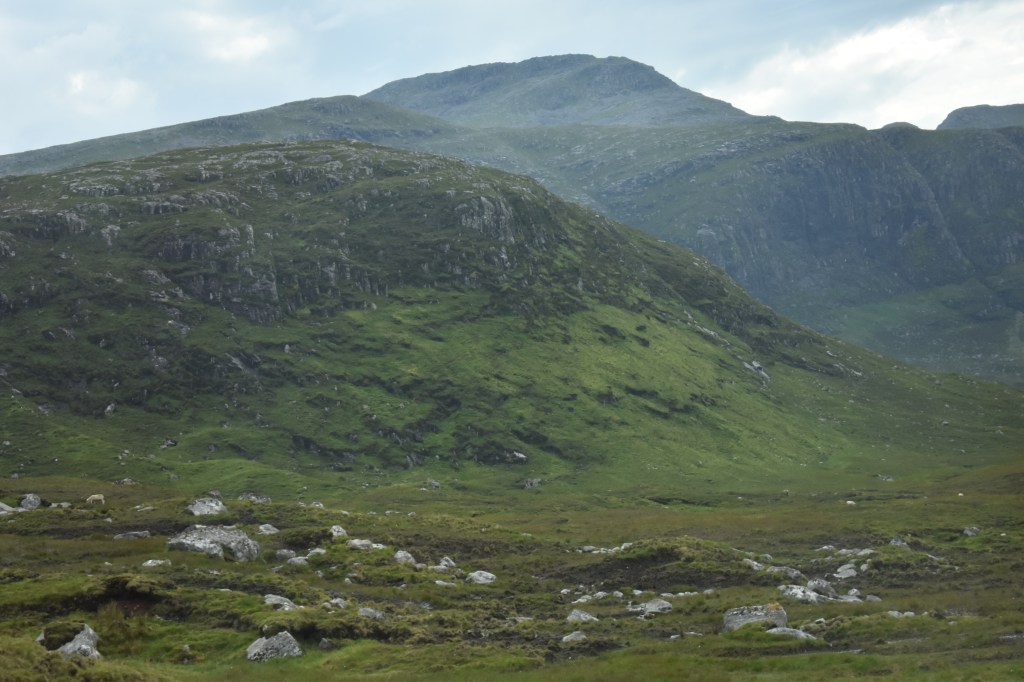
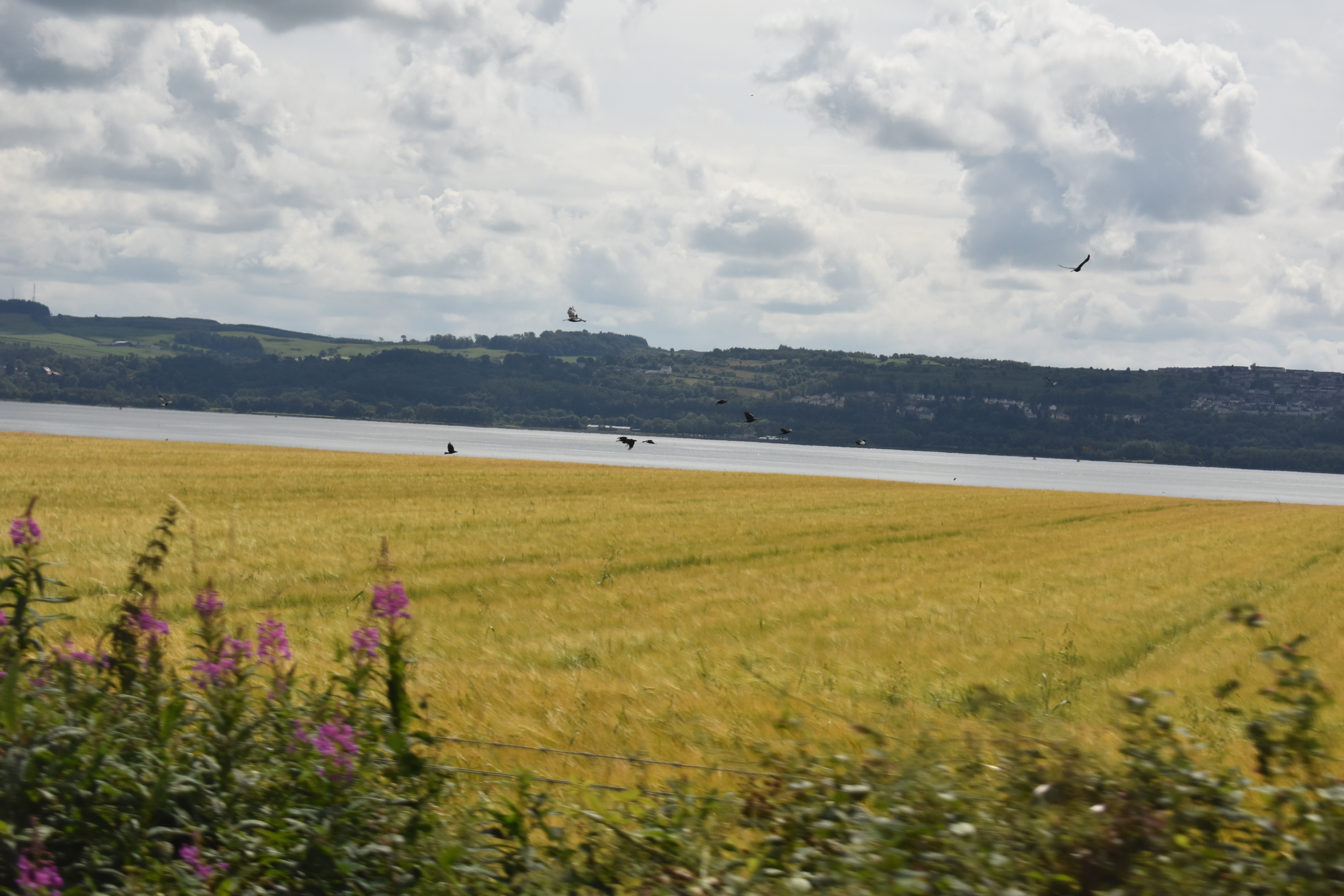
Our time in Tarbert was too short. When our bus arrived we set off on the next part of our journey, across the island to arrive in Stornoway, on the north east side of Lewis. The scenery was quite brilliant and we took scores of pictures through the bus window as we travelled through Harris on our way up to Lewis. Some of the beaches we passed were just stunning. When we come again, we will have to spend more time in Harris.
Stornoway
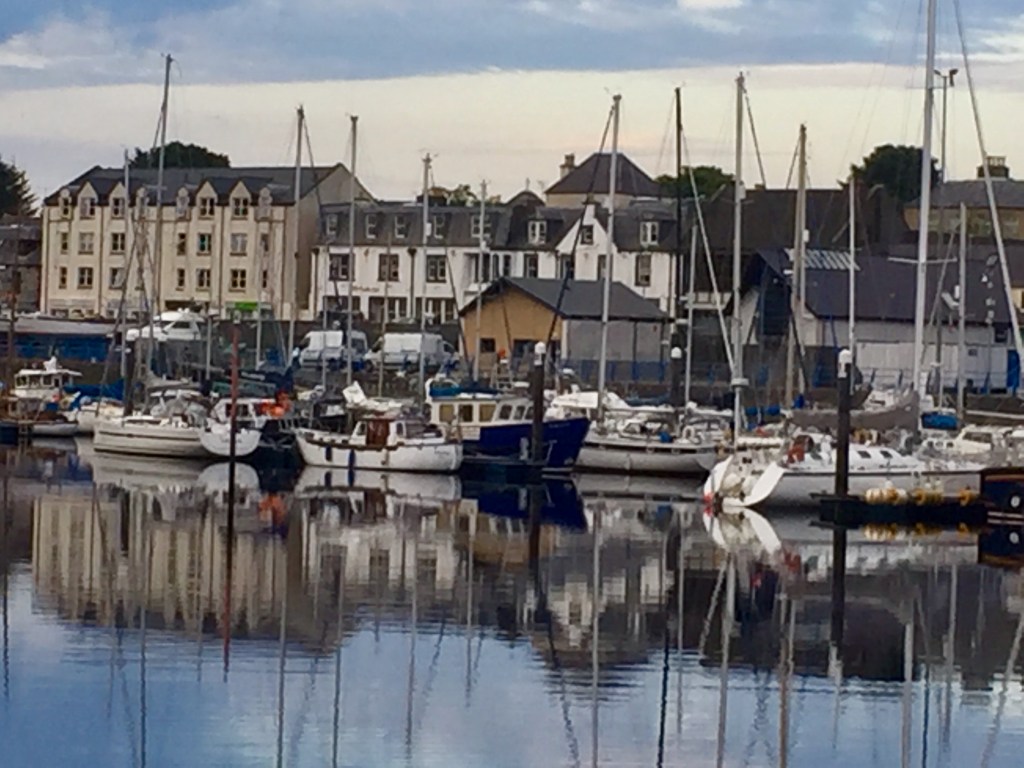
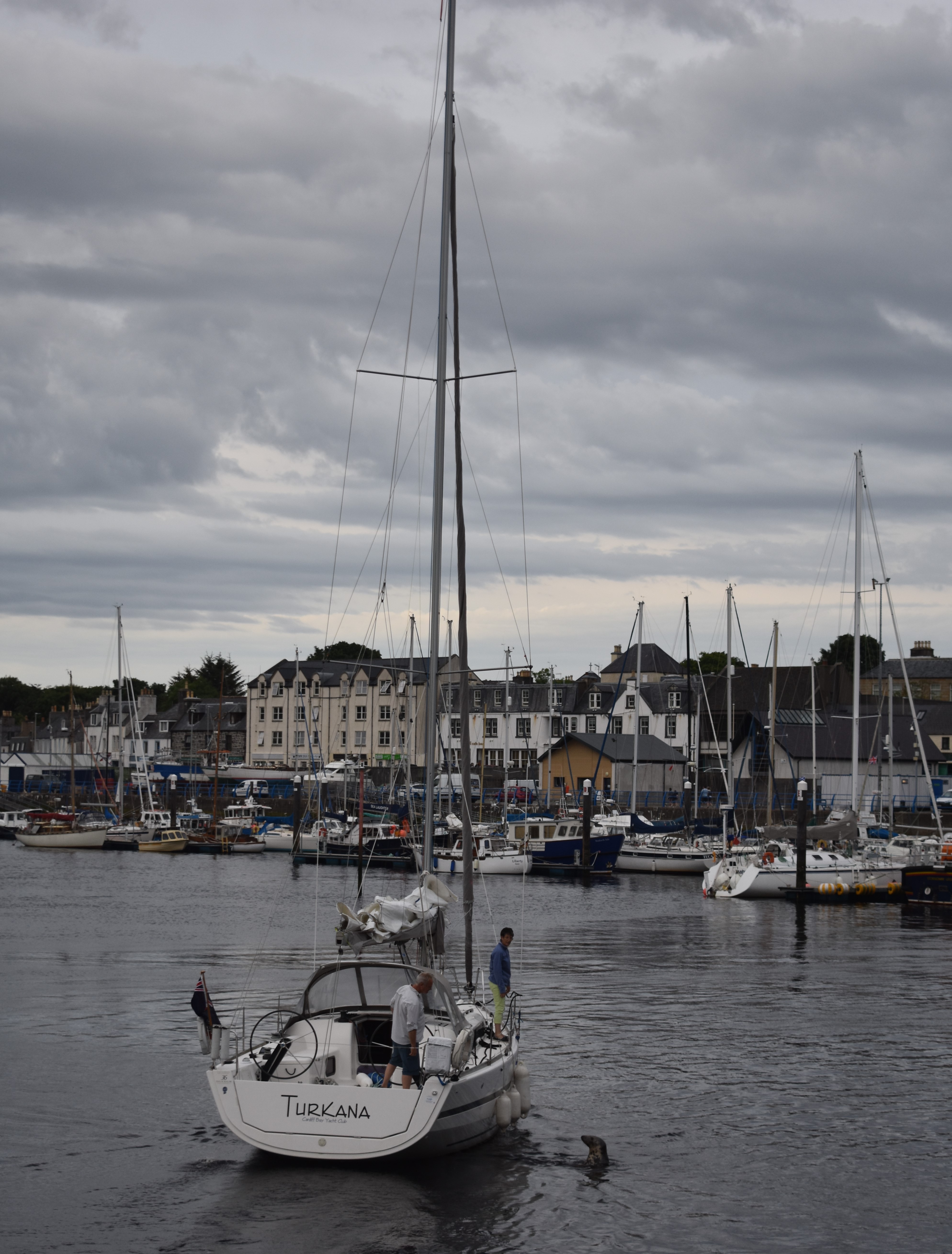
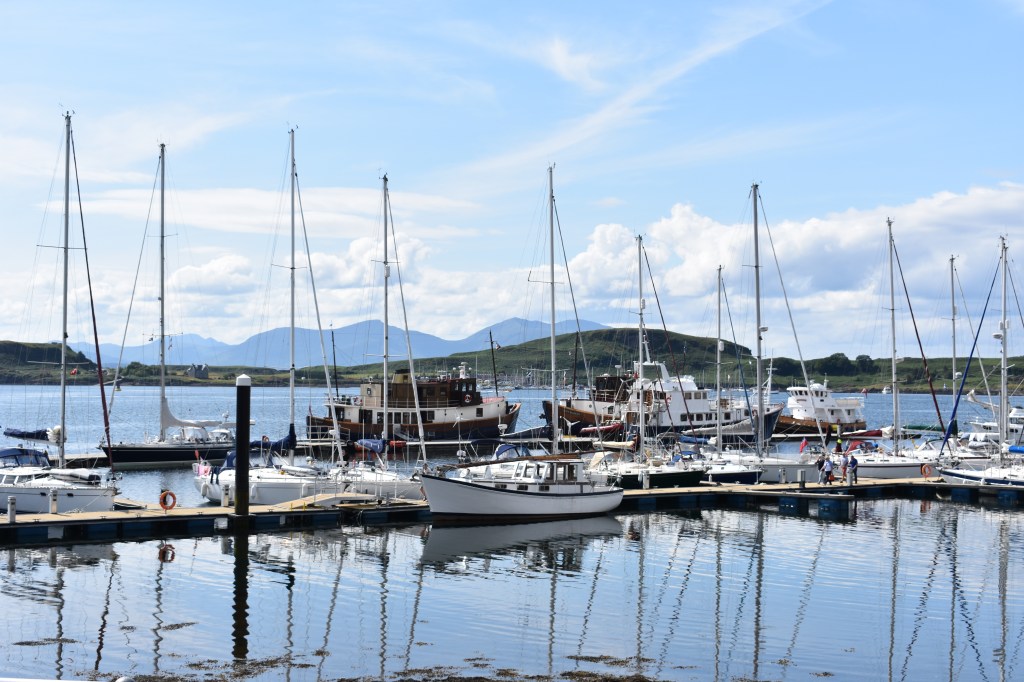
Though Stornoway has a population of less than 10,000, it has a big town feel with plenty of shops, restaurants and pubs. The town is successful and has ambitious plans for the future. Tourists now come to visit the town from all over Britain and beyond. When a cruise ship pulls into the harbour, a thousand or more people can disembark crowding the shops in their quest for souvenirs. Tasty food treats can be found in Stornoway. You can buy Hebridean mustard, smoked fish from the Stornoway Smokehouse or try one of the many flavoured teas from the Hebridean tea store in the town centre. Non food gifts and treats can also be found. Looking through the shop windows may tempt you to buy some beautiful local pottery, paintings, wooden toys or Harris tweed. At weekends, visitors fly in from Glasgow and Edinburgh to enjoy a stay on yachts which are moored in the harbour. A new marina is being constructed to cater for this growing luxury market.
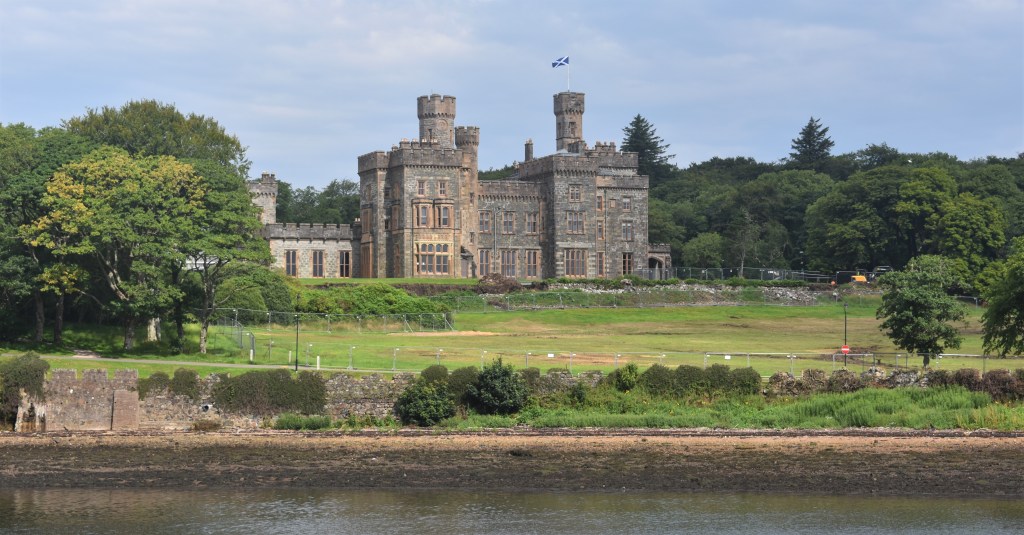
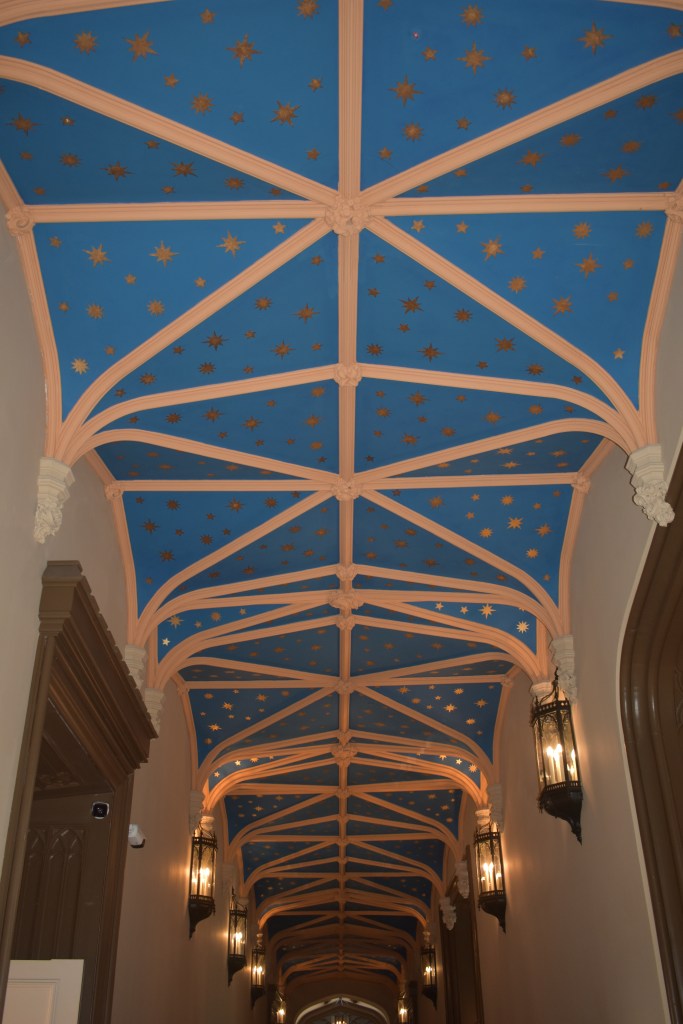
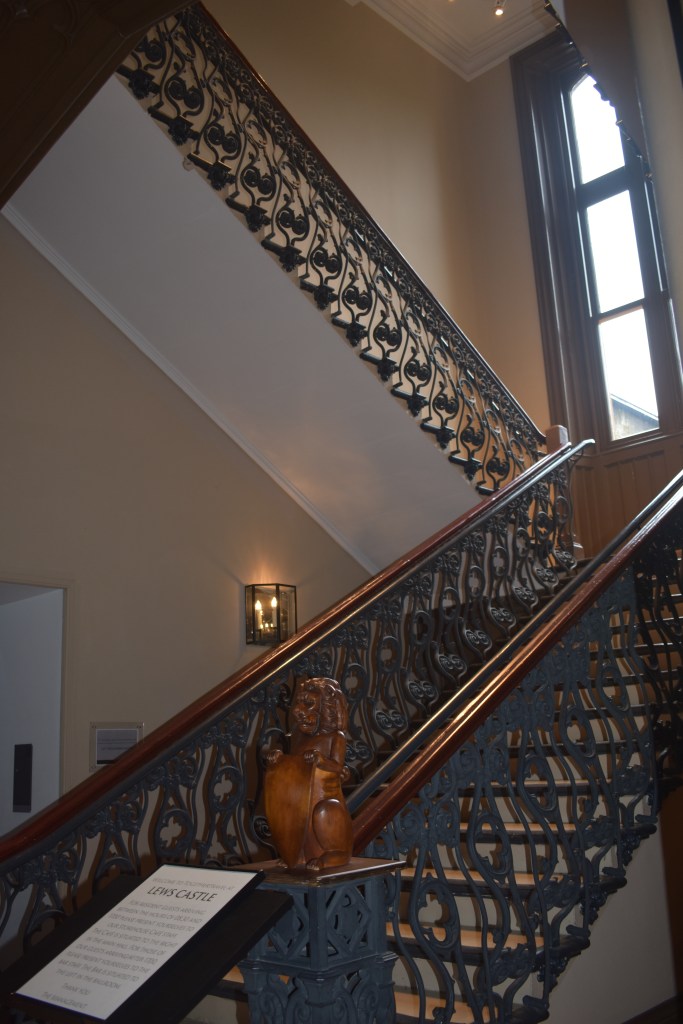
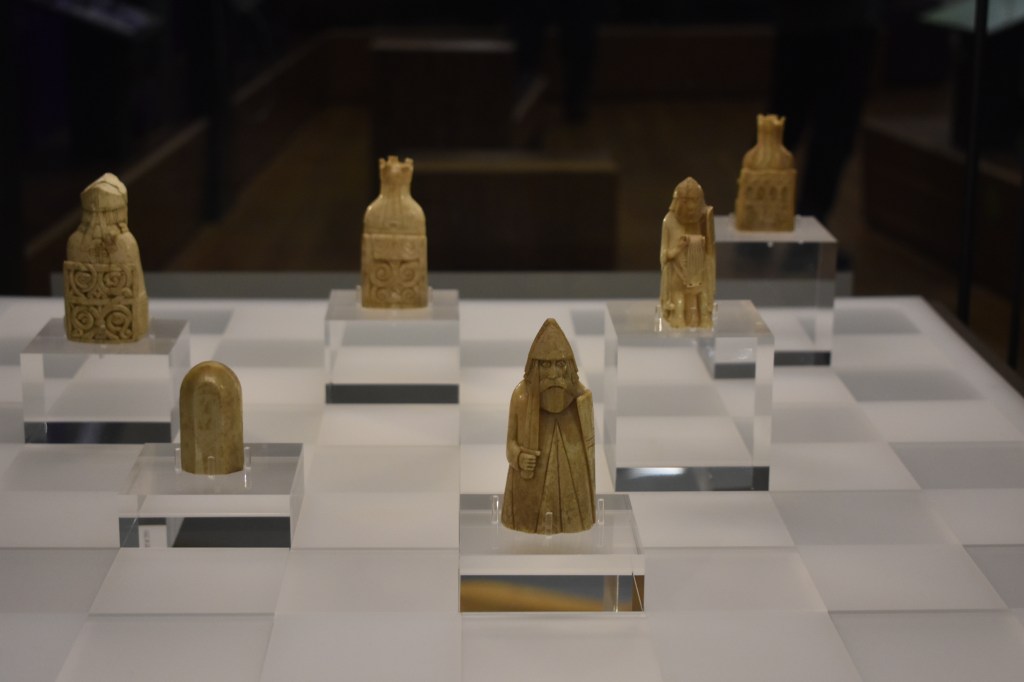
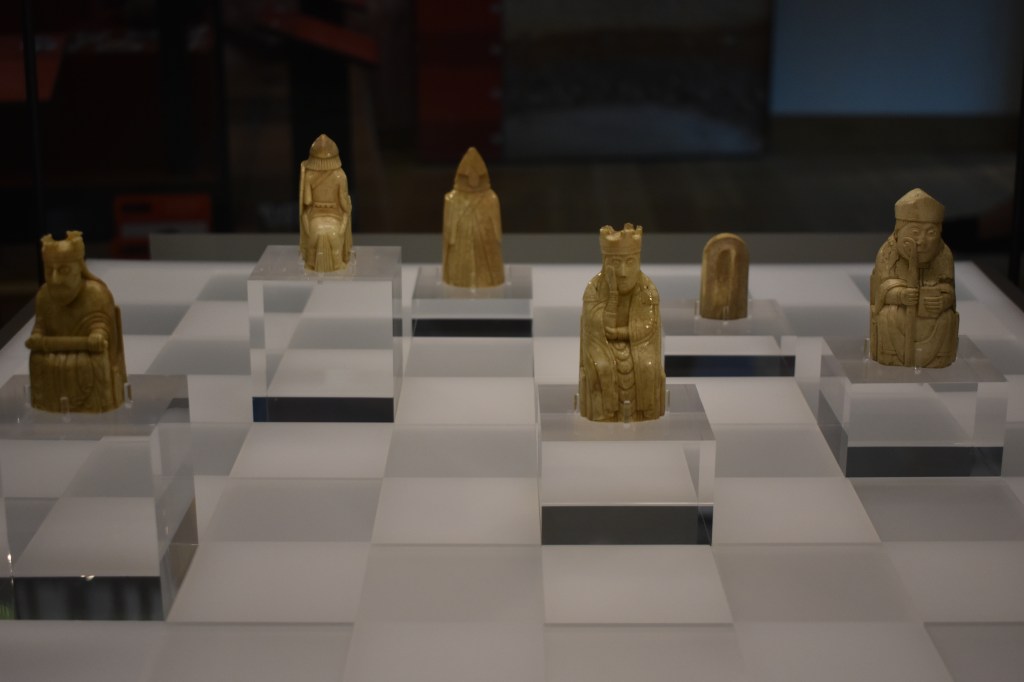
Yet despite this bustle, Stornoway is still a remarkably relaxed town which holds onto its traditions fiercely. In accordance with its strict Protestant outlook, Sunday in Stornoway remains the Sabbath day and many shops are closed as a mark of respect. Buses do not run on Sunday. Sunday in Stornoway is a day of quiet relaxation. It is a day to walk down to the harbour and watch the resident seals as they play in the water. It is the day to stroll through the manicured gardens of the splendid Lews castle. The castle is home to 6 of the famous Lewis Chessmen. The castle is worth a visit just to see these exquisitely crafted works of art.
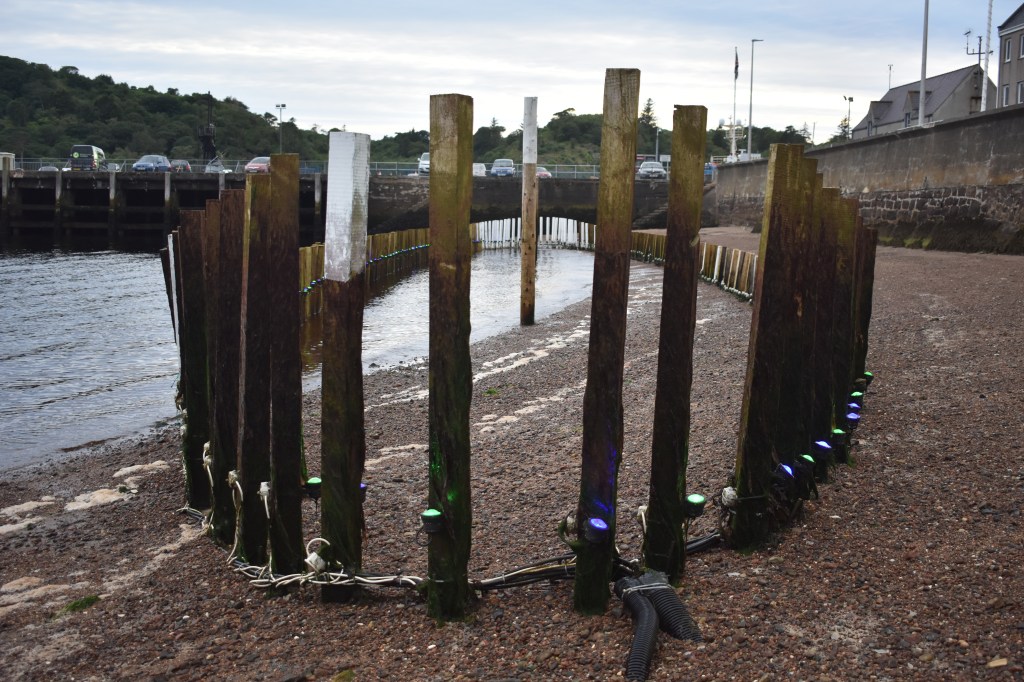
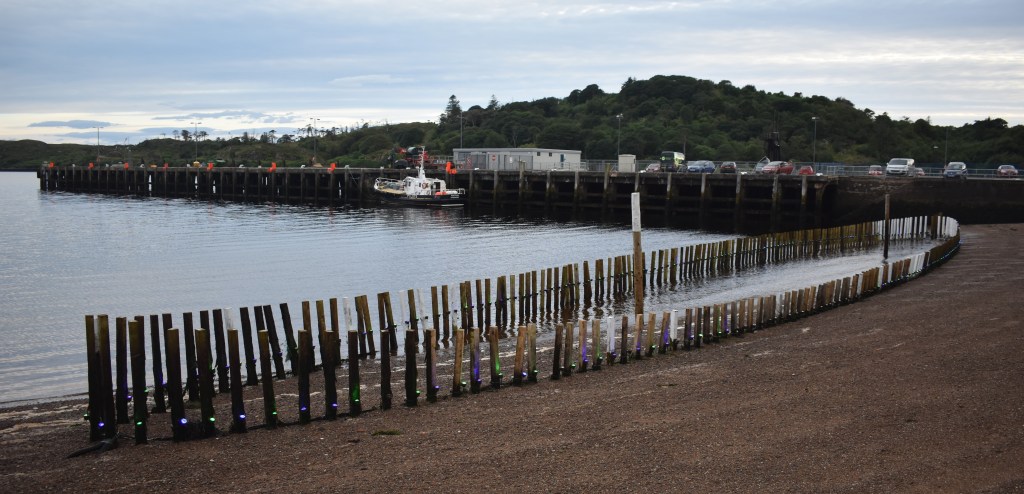
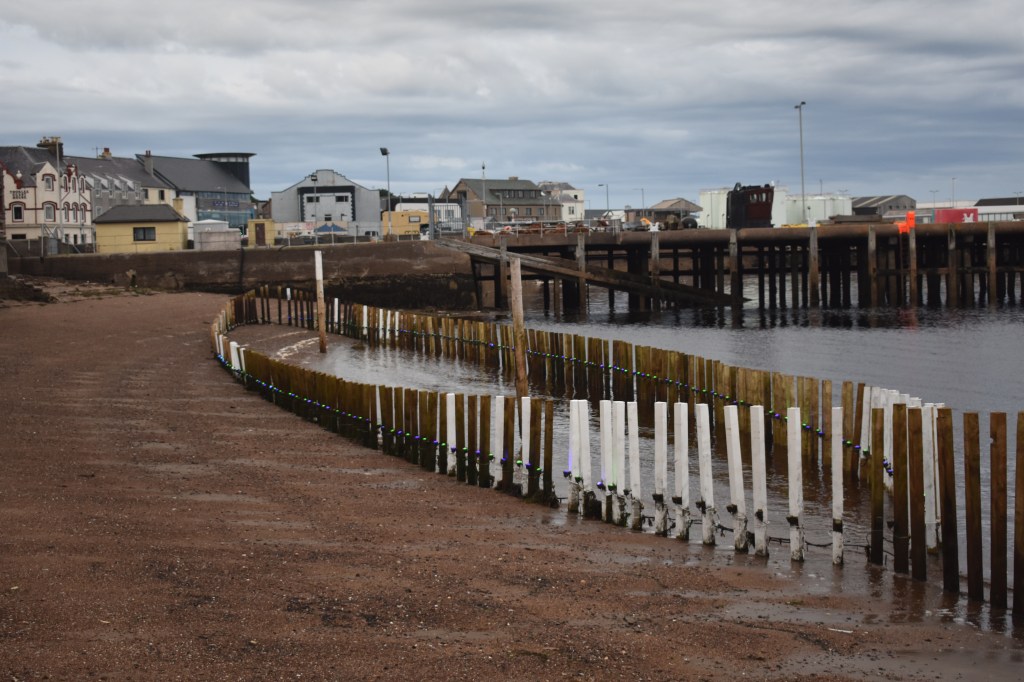
Sunday is the day to contemplate the Iolaire memorial which now rests in the harbour shore. On 1 January 1919, the SS Iolaire hit rocks just a few hundred metres from the safety of Stornoway harbour. Two hundred and five servicemen were drowned on that cruel New Year day. They had survived the Great War only to have life taken from them when so close to home. The tragedy of that day is still remembered in Stornoway and a wooden outline of the ship has been constructed in the harbour as the new memorial. Every wooden post represents a life lost. At night the outline is lit-up. It is a poignant and dignified tribute to the servicemen that died that day so close to home. A stay in Stornoway is not complete without visiting it.
Iolaire Memorial
About a mile outside the town on the headland is a more traditional stone memorial to the SS Iolaire. Looking over the sea and the rocks where the disaster struck, this memorial is also worth a visit.
Herring Fishing and Stornoway
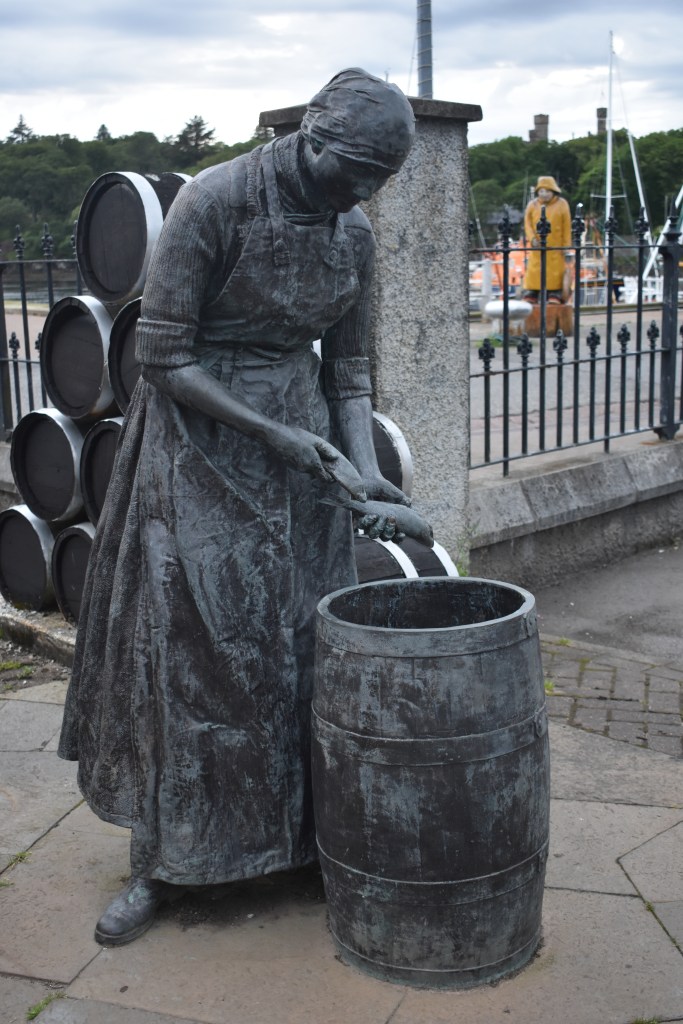
Herring fishing was the main industry of Stornoway up to the First World War. Fishing boats still operate out of the harbour but the modern industry is a shadow of its past when it was claimed you could run from one side of the harbour to the other going from fishing boat to fishing boat. Sadly, the Herring fishing industry collapsed in the post war depression. Throughout the town you can see statues which commemorate the Herring Girls who played a vital part in the industry, gutting and boxing the fish when they were landed. Local historian Donald Murray has written an excellent account of the Herring industry in his book: Herring Tales. If you want to understand the character of Stornoway you must understand the important role that Herring fishing played in developing that character. I’d recommend Murray’s book as a good read.
Lewis’s Bus Service, the Callanish Stones and other Attractions
Stornoway is a great base to discover the many attractions on the Isle of Lewis. Sunday apart, there are good, regular bus services to the major tourist destinations on the island. Travelling by bus is also a relaxed way to see the island, and a great way to meet local people. The bus service doubles up as a local courier service delivering and collecting parcels from outlying settlements. Travelling by bus makes you feel a part of the island community and we enjoyed it so much that we’d recommend leaving the car at home and going by bus.
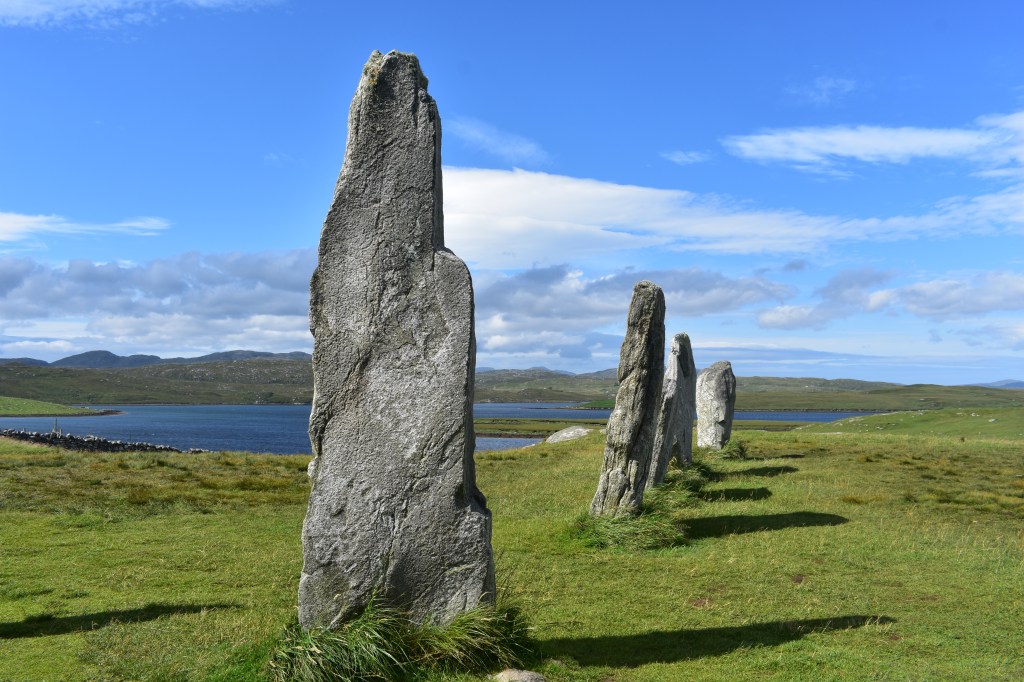
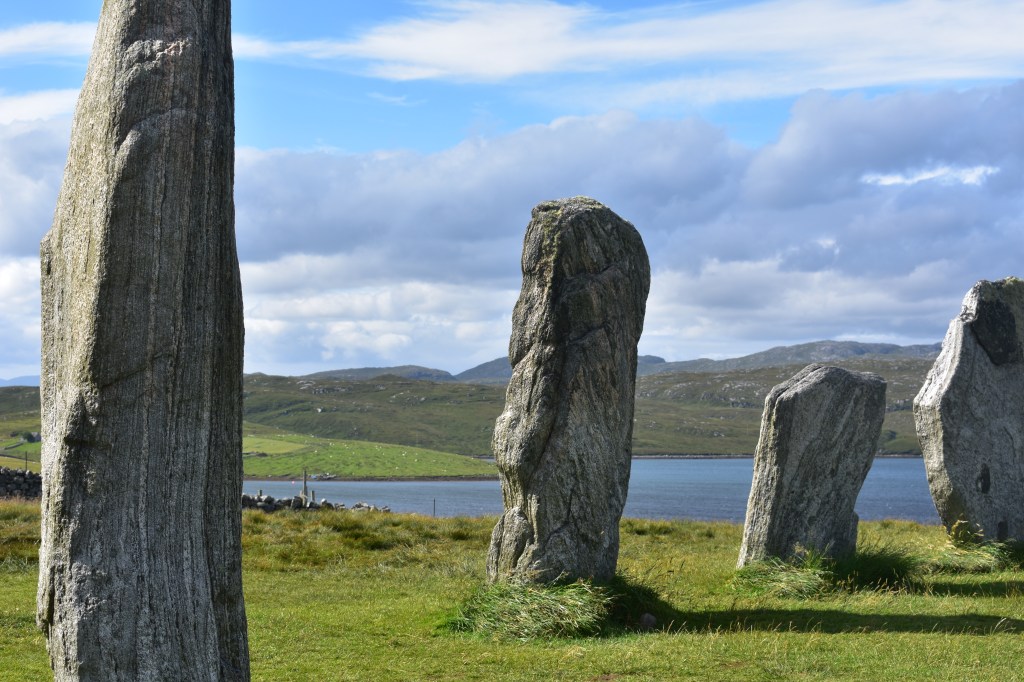
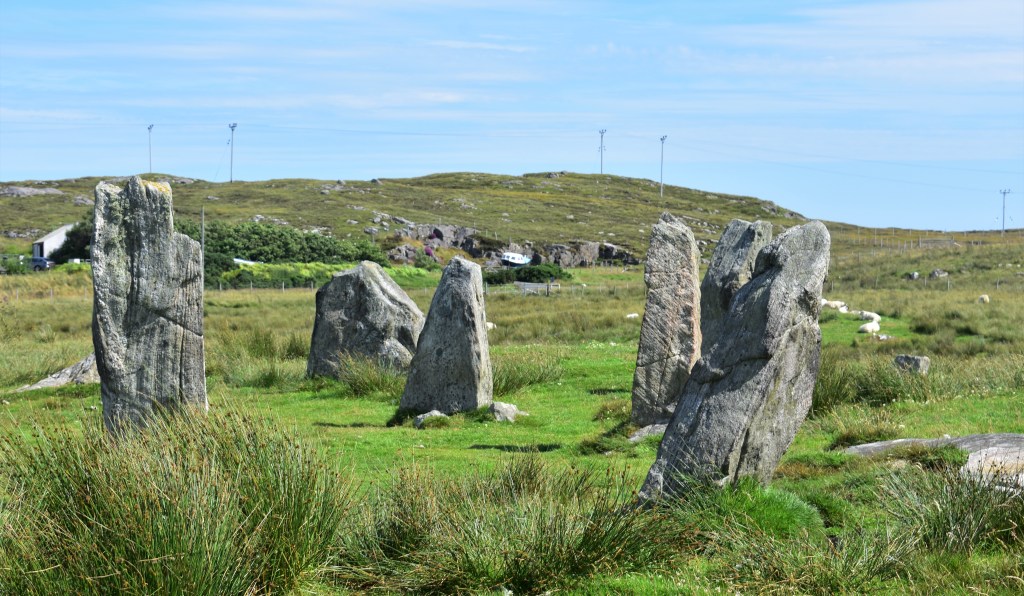
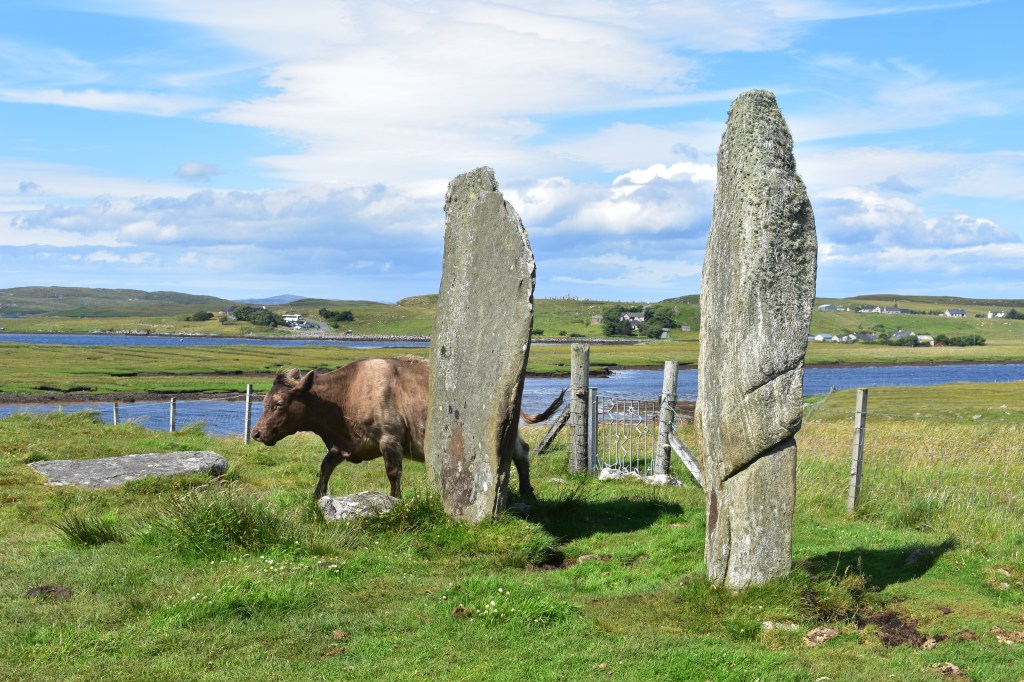
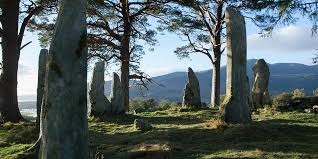
We were blessed with dry, warm weather when we took the bus to the Callanish Stones. Perhaps not as famous as Stonehenge, there are three neolithic stone circles that can be visited in the Callanish area. Unlike Stonehenge, they are easily accessible and there are not hordes of visitors queuing up to see the Stones. There is a visitor centre which includes a shop and cafe with lots of information on the site. You can walk from one of the stone sites to another and there is no cost for visiting them. We found it so funny seeing cows grazing on the grass by the standing stones. Cows have been grazing here for the 5000 years since the stones were first erected. I hope they continue to do so for the next 5000 years.
The Blackhouse Village
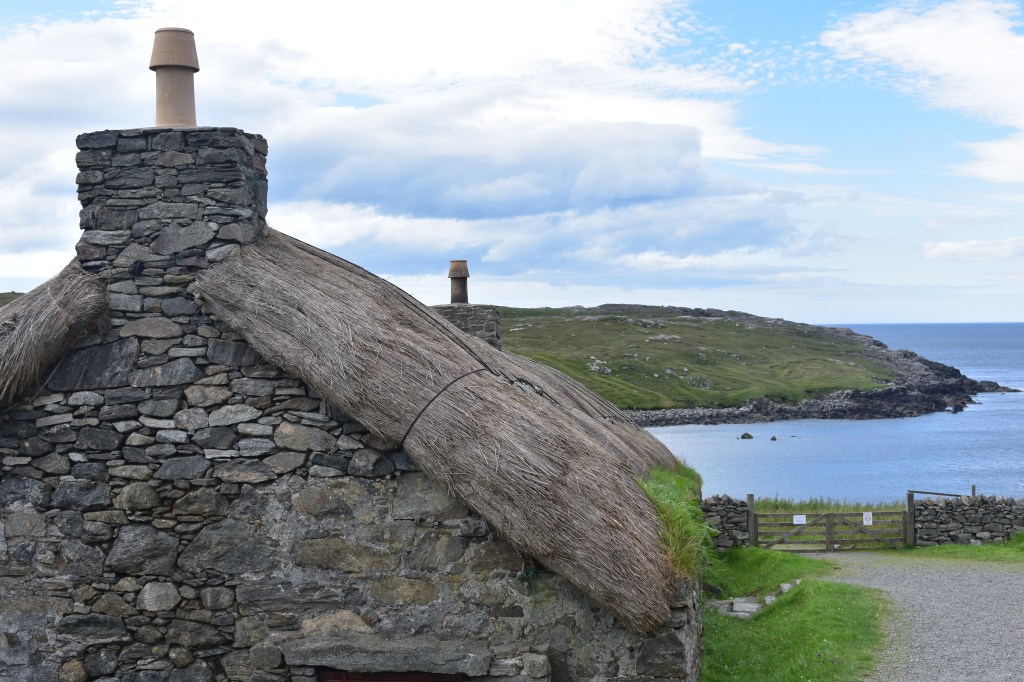
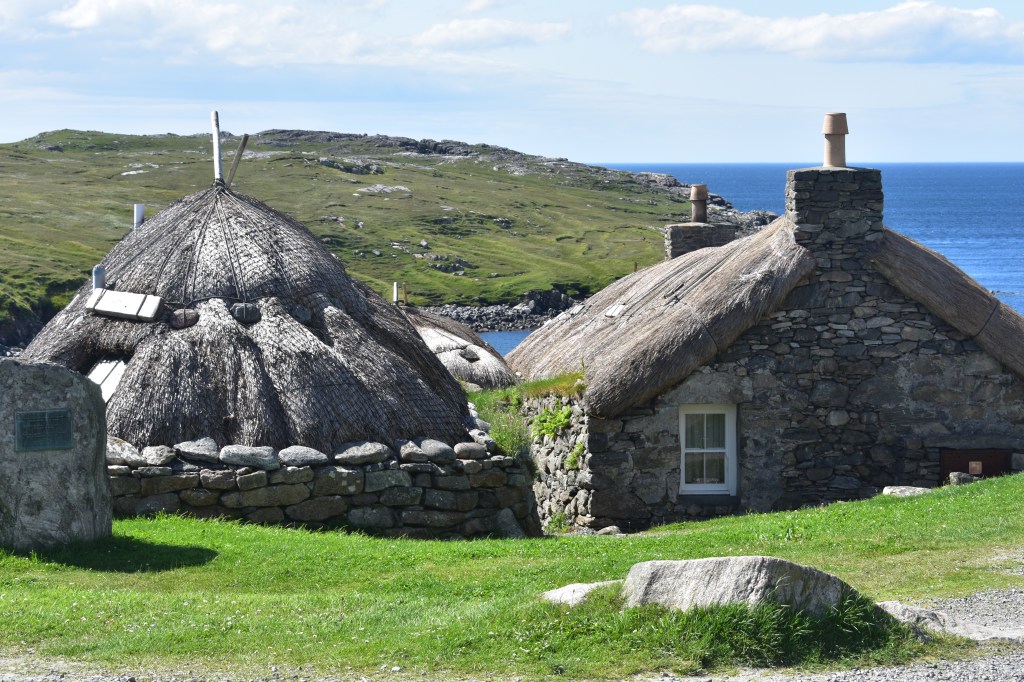
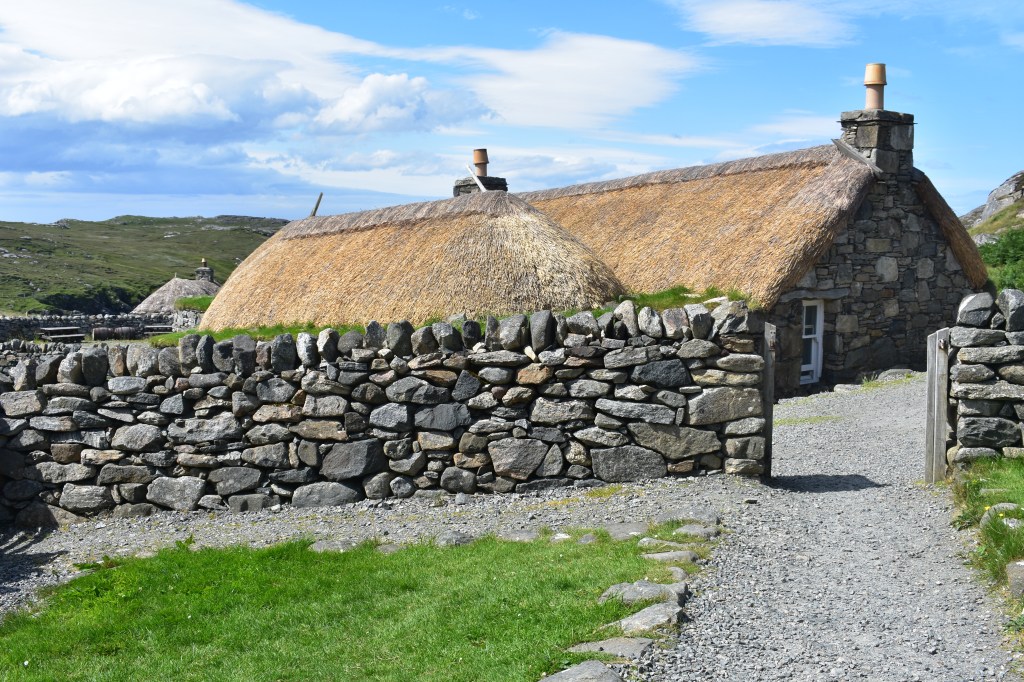
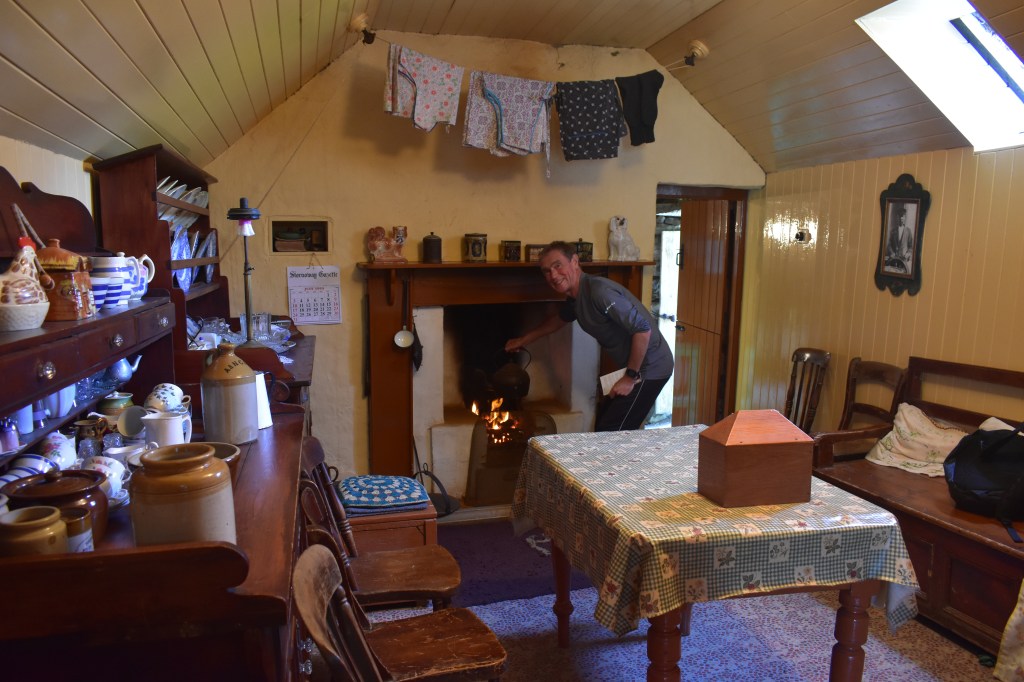
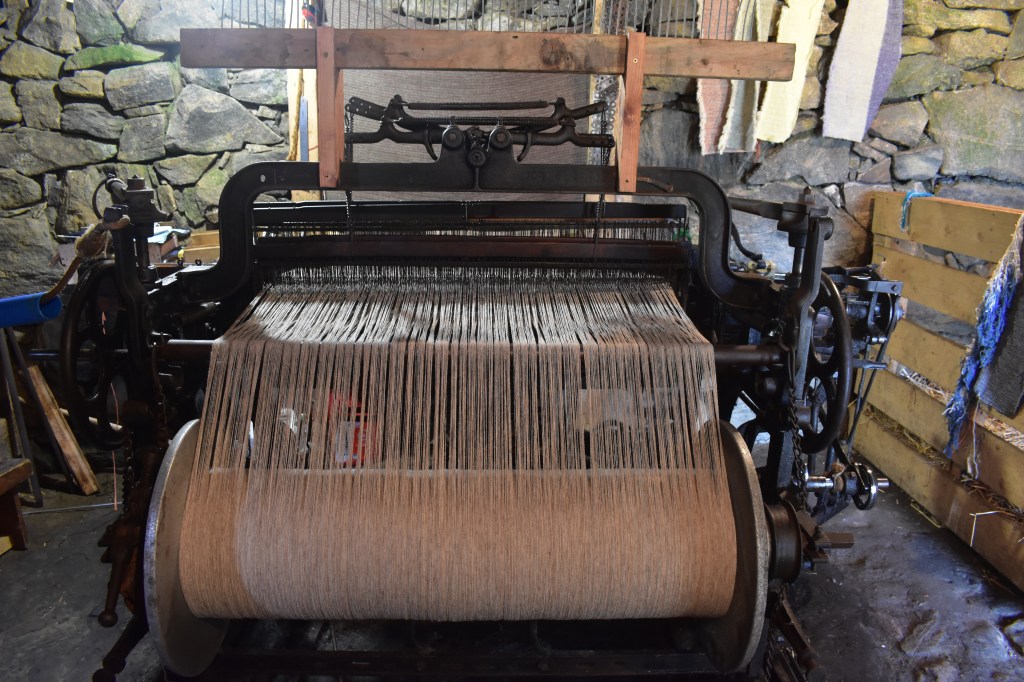
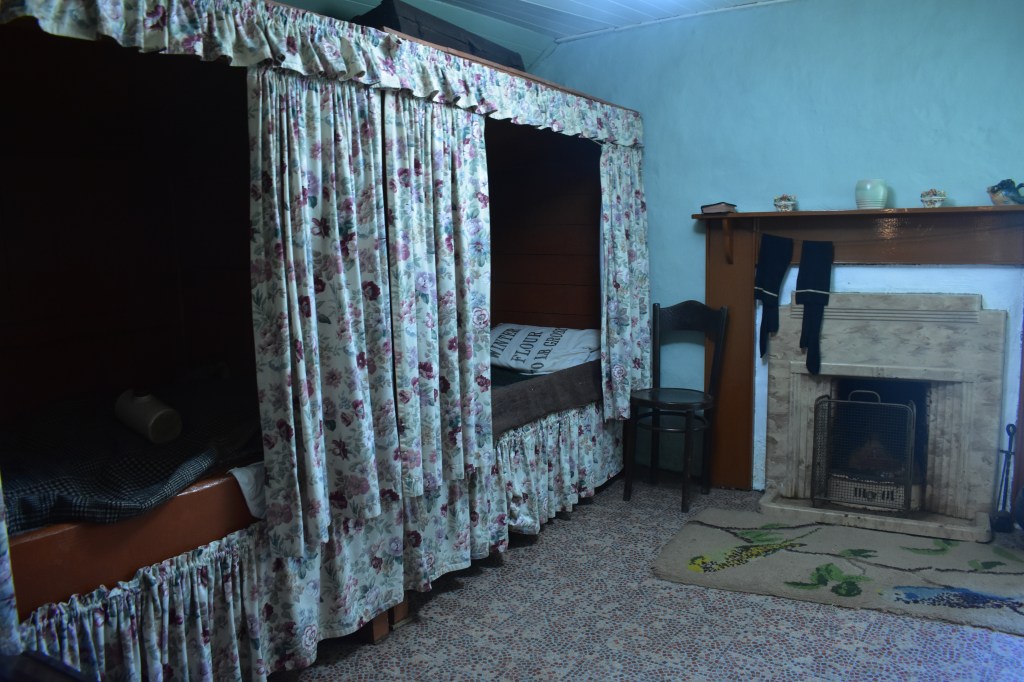
Our second stop on the bus was to visit the Blackhouse Village. The Village is a cluster of restored crofts and they represent the type of crofts islanders lived in from the 17th century to the 1970’s. There is a small fee to enter the village which is manned by volunteers who explain how local people lived and worked in these crofts. I did enjoy the scent of peat burning on the range. Some of the crofts can now be rented out for short stay visits though I was told you may have to book long in advance to get a letting in the popular Summer months. The village has majestic views over the sea and the coast paths provide great walking trails nearby.
A visit to the Blackhouse Village is a great day out and we recommend it.
Shawbost Norse Mill and Kiln
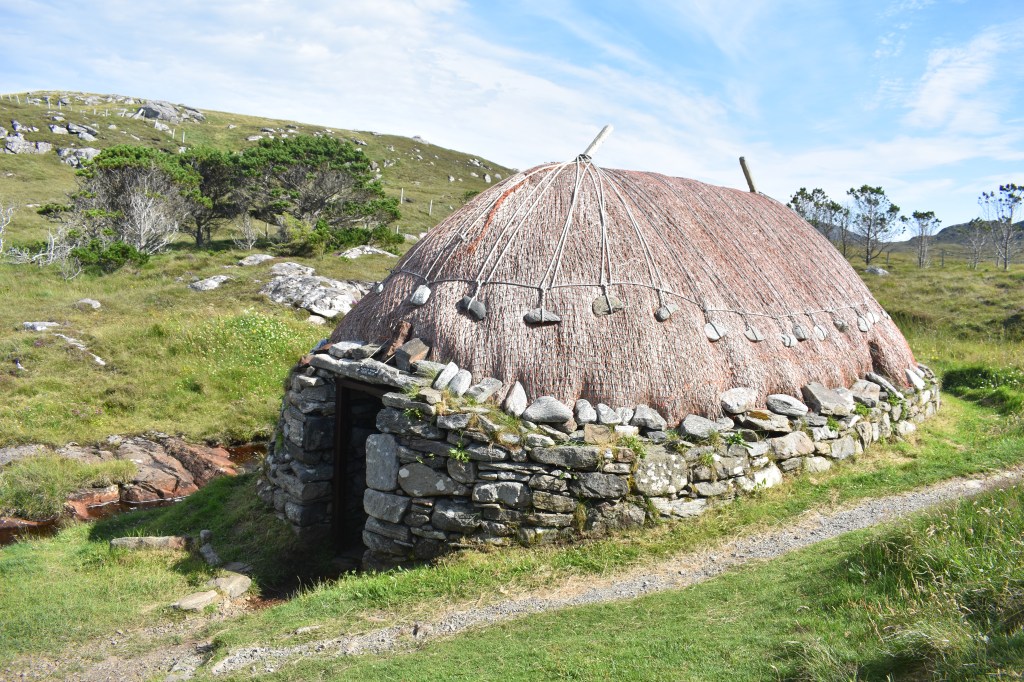
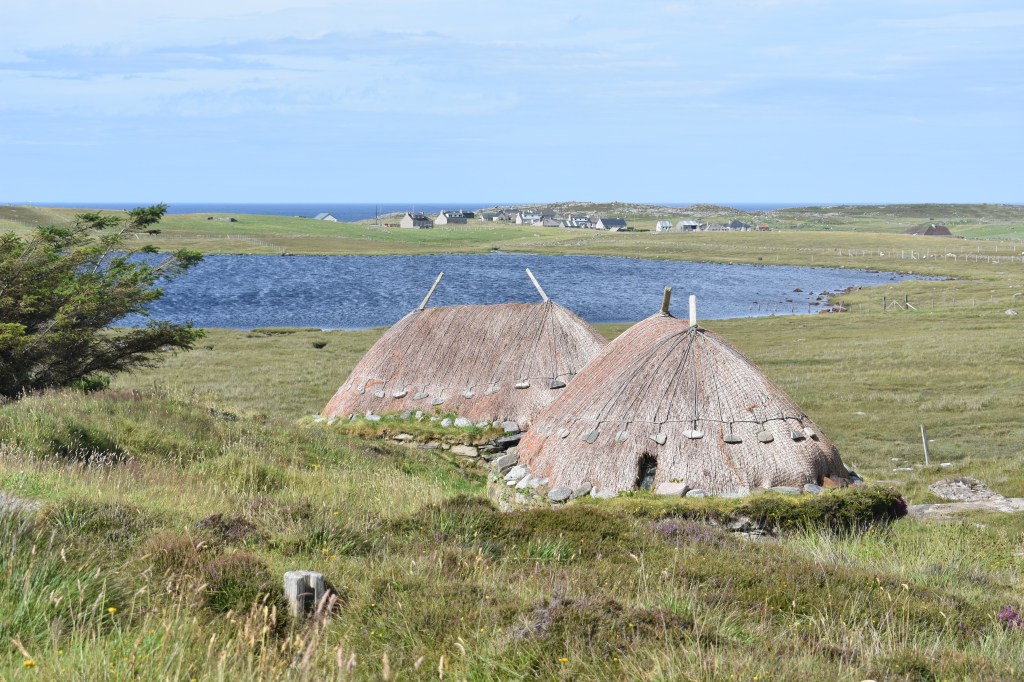
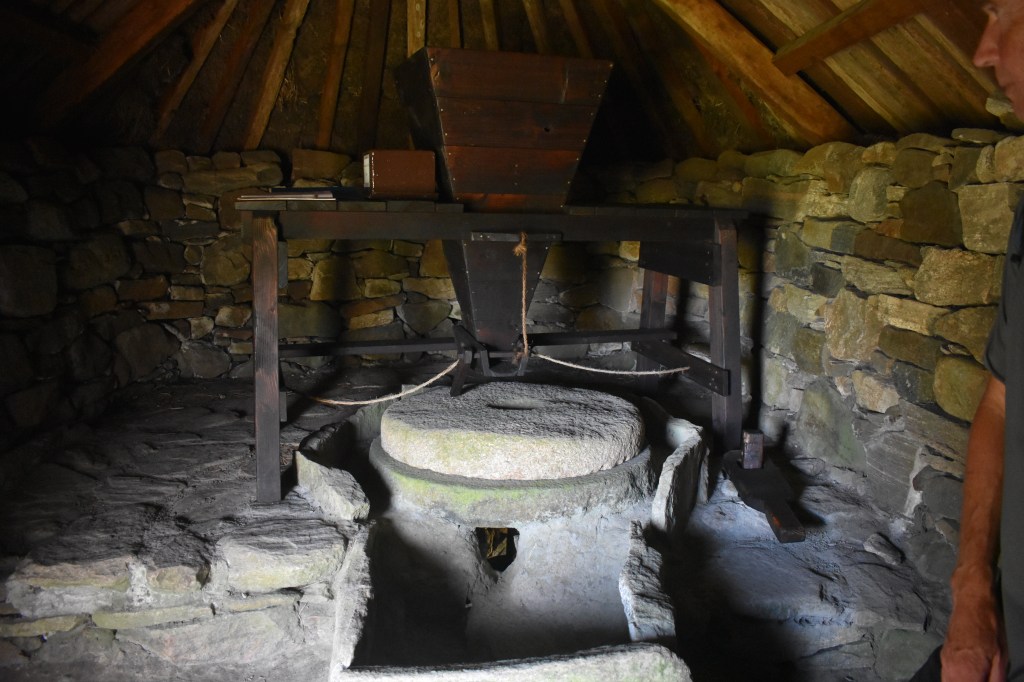
Our third stop on the bus tour was to another historic site worth a visit: the Norse Mill and Kiln. This is the remains of a long past mill and kiln which is open to the public. The mill is accessible via a short, though occasionally boggy walk from the road. A notice board gives a short explanation of the history and how the mill and kiln operated. Though not the most spectacular of Lewis’s attractions, the mill is worth a visit, particularly if you have an interest in history.
Running in Stornoway and Lewis
The quiet roads of Lewis offer ample opportunity for training runs. We stayed in Stornoway and I enjoyed running out of the town towards the Iolaire Memorial. It was peaceful, safe running and a great way to see the coastal views.
The grounds of Lews Castle also offer great running routes and local runners can often be seen on the paths around the castle. At the time of writing there is no Parkrun in Stornoway. I was told by local runners that plans are being made to stage a parkrun in the grounds of Lews Castle. Watch this space …
Half-Marathon and 10K
The Stornoway Running and Athletics club organise a Half-Marathon and 10K race usually in the late Spring. Details can be found here: https://srac.org.uk/half/
History of the Isle of Lewis
The island has had a long tumultuous history which has seen Irish, Norse and Lowland Scottish families dominate the politics of the island. The island was a part of the kingdom of Norway until 1266 when it became the possession of the Scottish crown in Edinburgh. The clan MacLeod dominated local politics till the early years of the Stuarts when the MacKenzies clan took control of the island. In 1844 the MacKenzies sold the island to Sir James Matheson who had made his fortune trading in China. It was he who co-founded the Jardine-Matheson conglomerate.
Matheson’s ownership of the island is one of the most controversial periods of the island’s history. Many crofters were dispossessed of their lands to make way for sheep farming and hunting. Poverty and emigration gripped the island. There were land riots in the 1880s. Though conditions improved towards the end of the century the bitterness between the Mathesons and the islanders remained.
In 1918 the industrialist Lord Leverhulme bought the island with the intention of re-industrialising the Herring industry in the Stornoway area. A large part of the population did not trust Leverhulme or his plans for new industry. Land ownership rights again became a fractious political issue amongst islanders. Some returning servicemen from the Great War took matters into their own hands and organised “Land Raids”. Leverhulme saw his plans would not work and faced with failure he gave Stornoway back to its people in 1923. The Stornoway Trust now administers the town on behalf of its people. This political arrangement may be unique in the UK.
Lews Castle regularly has exhibitions on the Isle of Lewis and Stornoway’s fascinating history. You may be lucky and be able to visit such an exhibition whilst on your stay on the island.
We travelled back to Tarbert in Harris after our short stay in Lewis. We then caught the ferry on our Hopscotch 23 route over the sea to the Isle of Skye.
We would love to hear your thoughts in the comments section below. Please follow and share with anyone you think may be interested. See you again soon!
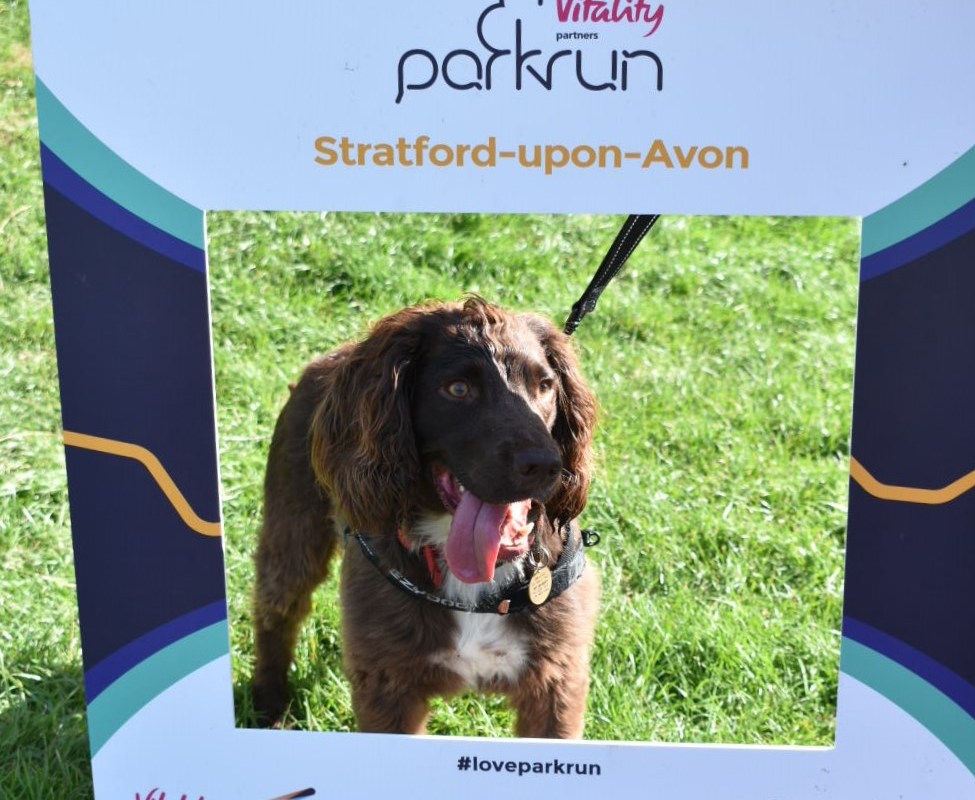
If you want to run a fast, well organised, and genuinely friendly park run, then the Stratford-upon-Avon parkrun is hard to beat. If you are a parkrun tourist and want your parkrun to be the start of a day out, or even better, the start of a weekend break, then Stratford offers something for everyone and is amongst the best.
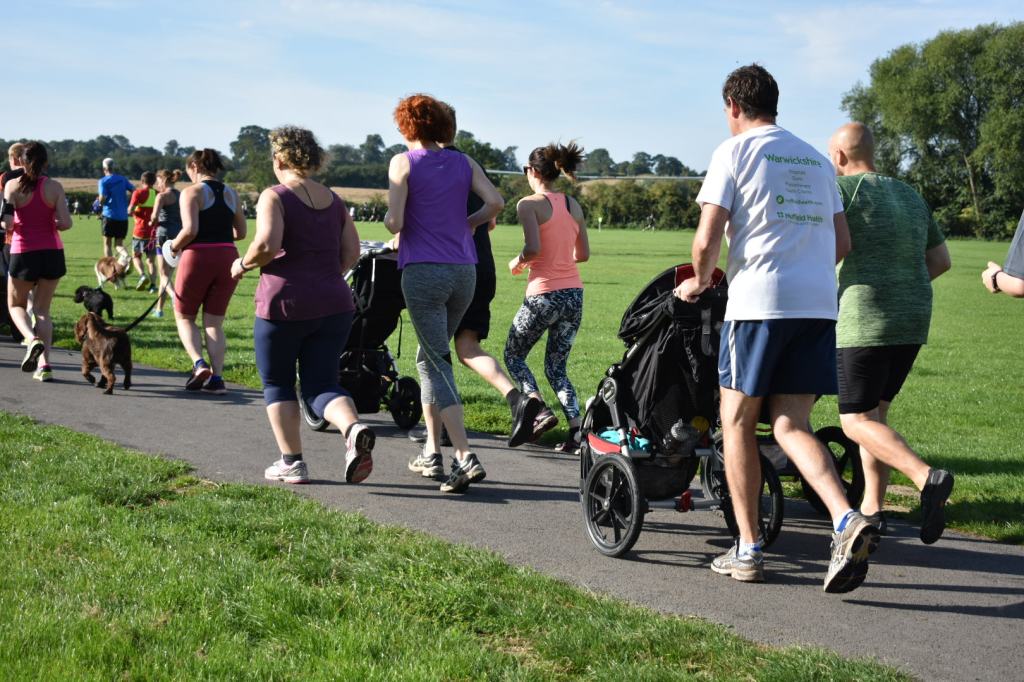
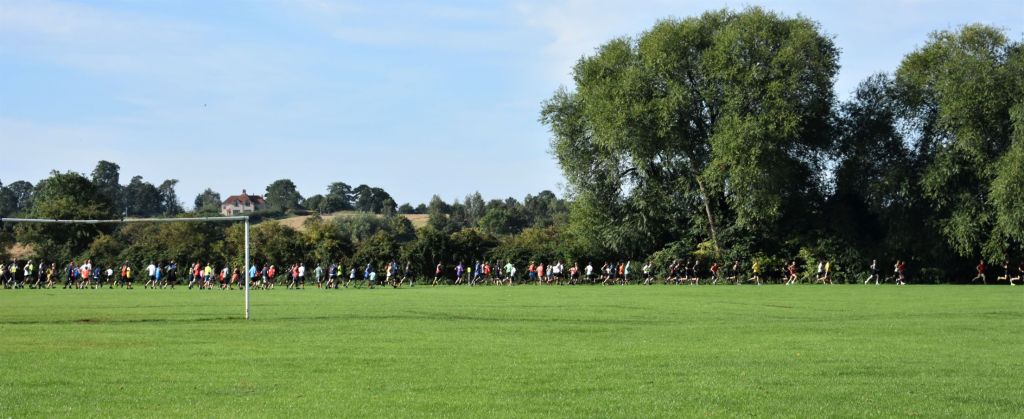
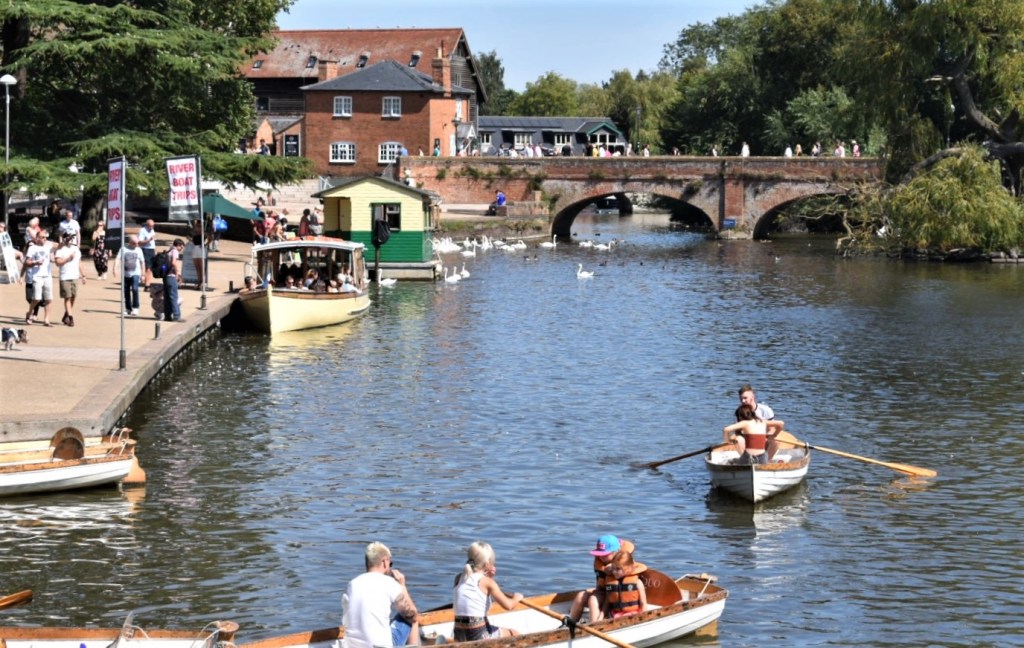
Stratford’s free parkrun is a three lap course ran within the town’s Recreation Ground. The course is a scenic route using tarmac paths and some grass ways. You will see swans on the Avon, Shakespeare’s theatre and the beautiful flower arrangements of the town’s premier park area. A full description of the course can be found on the website here: https://www.parkrun.org.uk/stratforduponavon/course/
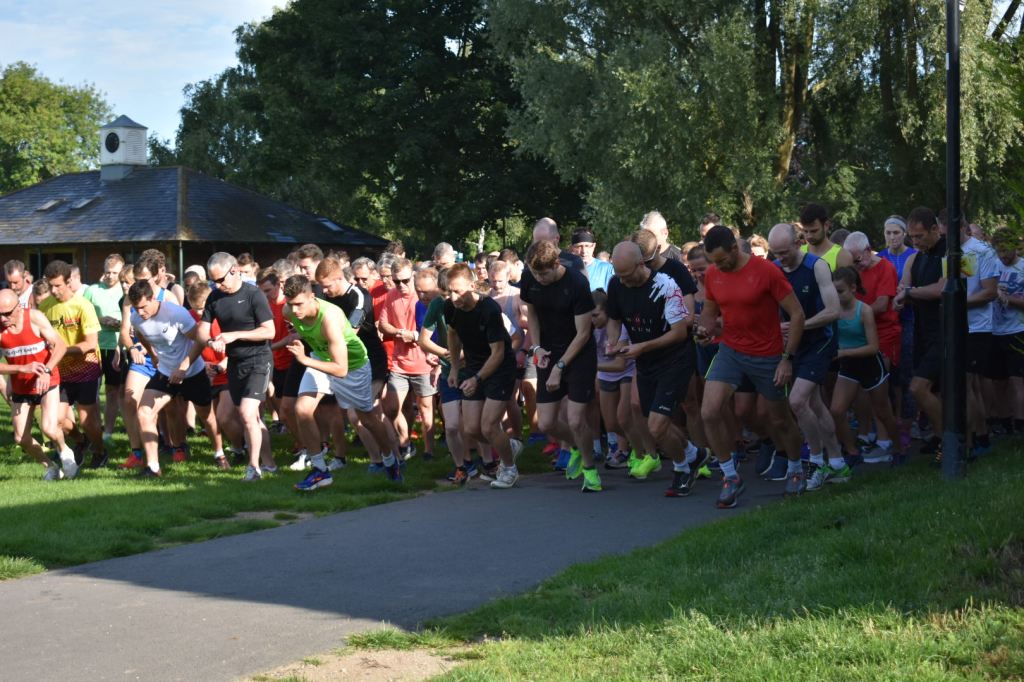
Part of the course follows the river so it can be wet if the river is running high. Similarly, the grass section may be slippery so care should be taken when running here. Stratford attracts up to 400 runners so the start can be a little congested. However, most of the course follows a good, flat, tarmac surface so the course provides PB possibilities.
If there is an event being held on the river, such as a boating regatta, an alternative 4 lap course is used. This course removes the river bank section so the 4 shorter laps are run to make up the 5K distance.
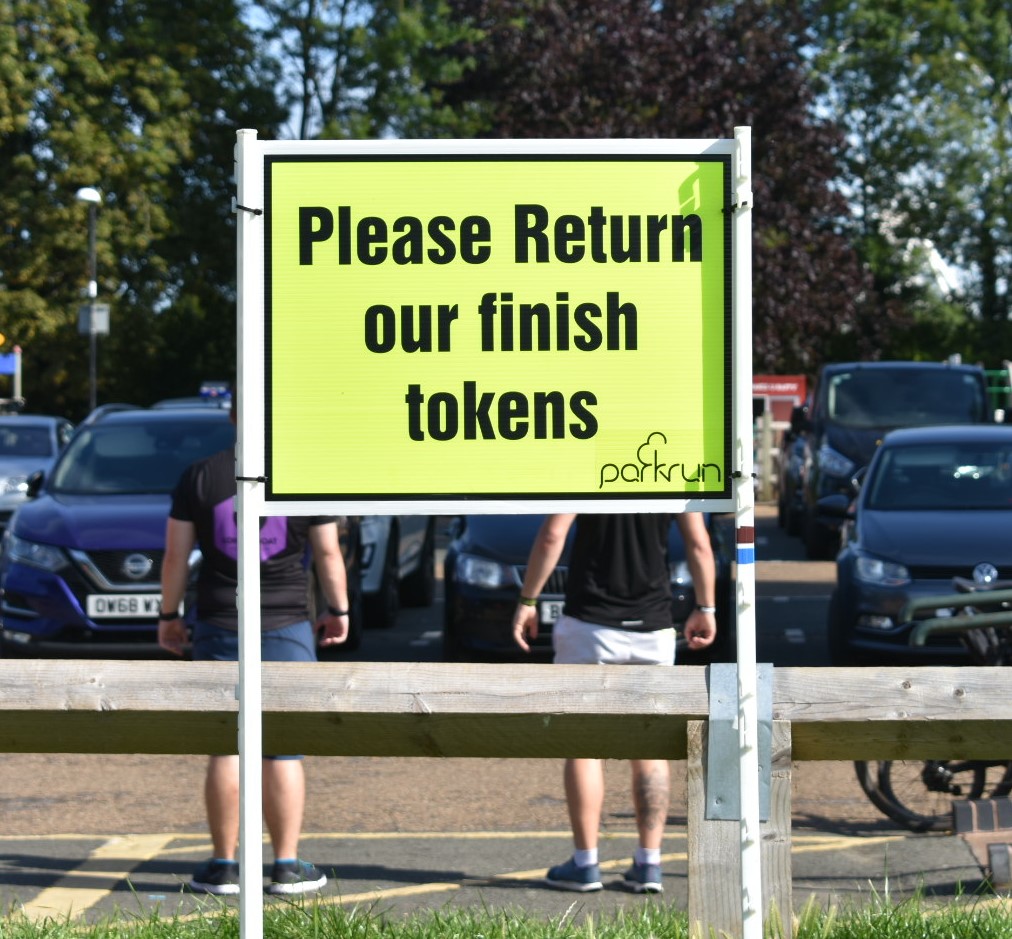
Remember to hand in your tokens at the end.
Post Run Refreshments
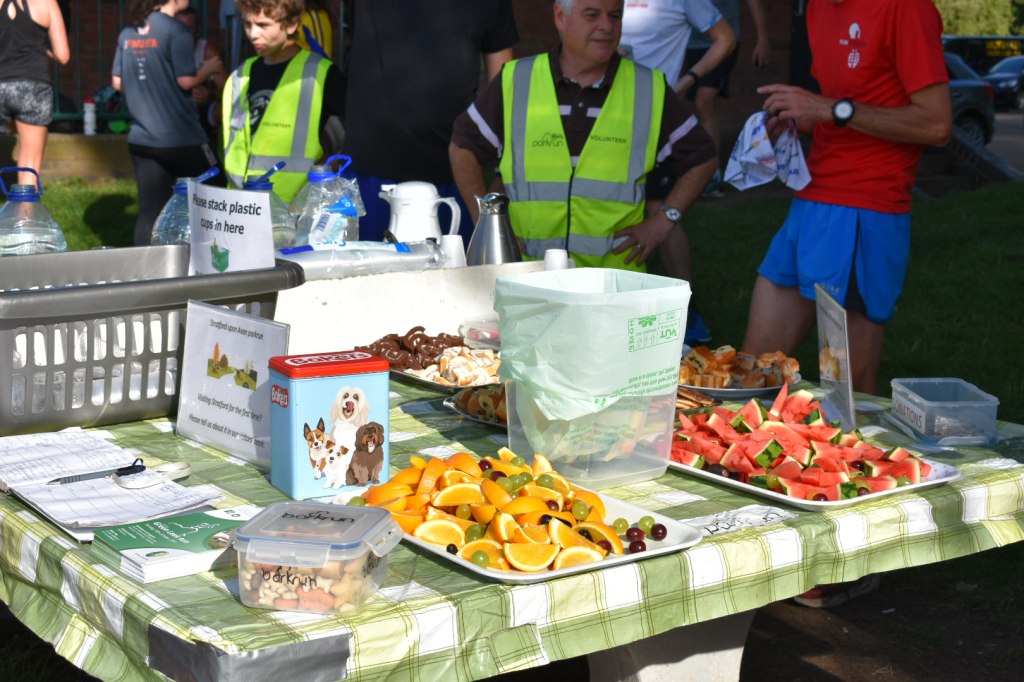
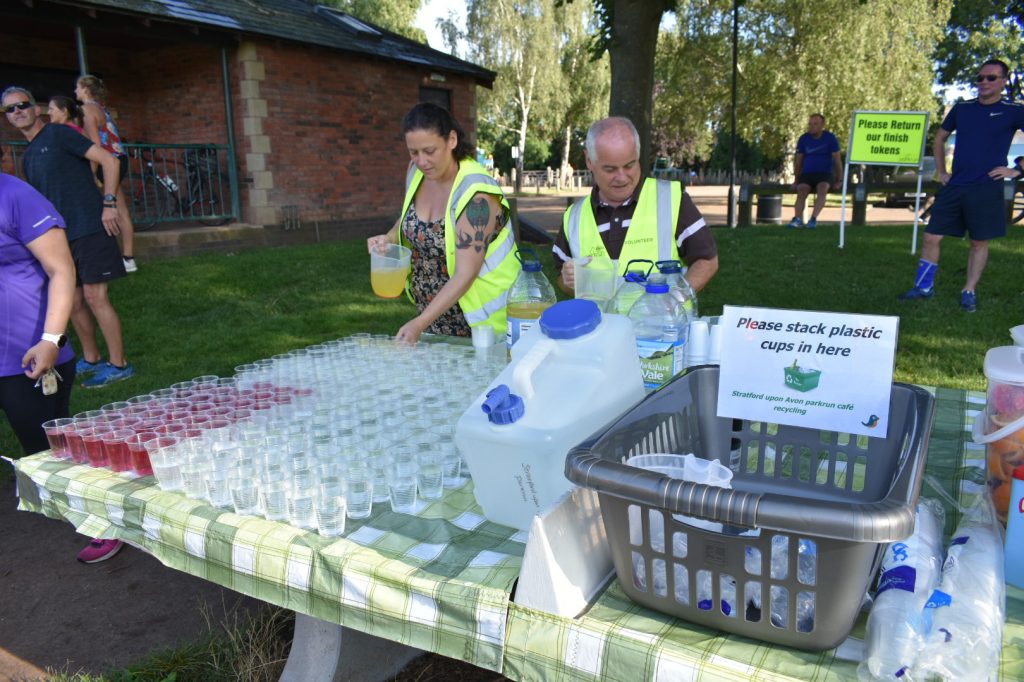
Stratford volunteers provide an excellent refreshment table for runners at the end of the race. A wide variety of cold refreshing drinks are available as well as hot teas and coffees. A great selection of fruits are there to be sampled and for those with a sweeter tooth, home-made cakes and other sweets are on display tempting you to taste them. Even dogs are catered for with a special dog biscuit area!
A small voluntary donation is all that is asked. The post race refreshments adds to the friendly ambience of the Stratford parkrun giving it a quality that makes it so special.
Tip: Stratford are trying to improve the environment by phasing out plastic cups. Please bring your own cup for drinks and so help reduce plastic consumption. Thank you.
Parking
There is ample parking available in the Recreation Ground car park which is literally by the start and finish of the run. Car parking fees are on a pay and display system and are quite reasonable.
Post Race Shower/Swim
Stratford Leisure centre is located at about a 600 metre walk from the start of the race, A post race shower can be had here for £1.50 at present prices. The centre has a superb swimming pool so runners can enjoy a post run swim if they are feeling more energetic!
The Recreation Ground car park ticket is not valid for the Leisure Centre’s car park.
For more general information on parkrun including details of where they are held see the Parkrun website: https://www.parkrun.org.uk/
Other Running in Stratford
For those who want to run more than just the park run, then Stratford is a great location for general training. Stratford’s Greenway provides a 5.5 mile traffic free tarmac route from Stratford to Long Marston for general training. The Greenway is easily accessible by running from the Recreation Ground. There are small car parks along the Greenway if you wish to drive to a different start. More information about the Greenway can be found on its website here: Stratford Greenway
The town hosts a number of prestigious races throughout the year, including the Shakespeare Marathon to commemorate the Bard’s birthday in April. Stratford is a top rated marathon and a great alternative for anyone disappointed in not being able to run the London race. A half-marathon can be ran for those who would prefer to run the shorter distance. Details are available here: Shakespeare Marathon
Stratford is the venue for various 10K and other races during the year. Stratford is also the start and finish of one of England’s best long distance relay races: The Cotswold Hilly 100. This is a 100 mile 10 person relay race for athletic club teams. The route traverses the beautiful hills of the nearby Cotswolds. The race is held on one of the May bank holiday Sundays, Details of this, and other Stratford races, can be found on the Stratford AC website: Stratford AC
What to do after your run?
You have just got your PB for the year at Stratford: what do you do now? There is so much to do it is almost an impossible question. Take a stroll through the park, visit Holy Trinity church, attend an afternoon play at one of the two theatres or see a movie in the delightful Stratford Picturehouse. Stratford has so much to offer the visitor. We will give you more ideas of what to do in Stratford in a later blog on this site.
You may be interested in our blog on the Forest of Dean parkrun and also our Oban blog which has details of the Ganavan Sands parkrun.
We would love to hear your thoughts in the comments section below. Please follow and share with anyone you think may be interested. See you again soon!
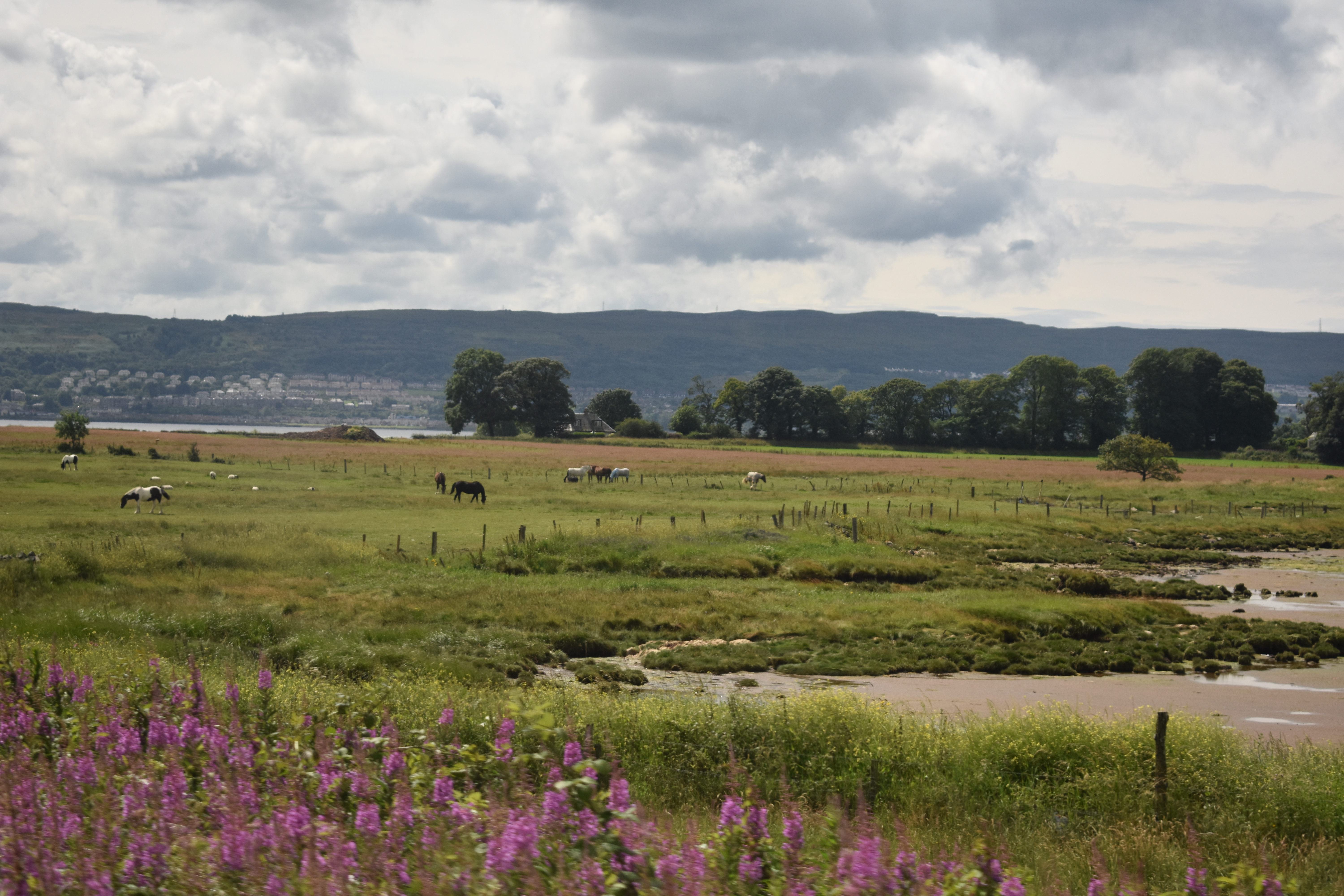
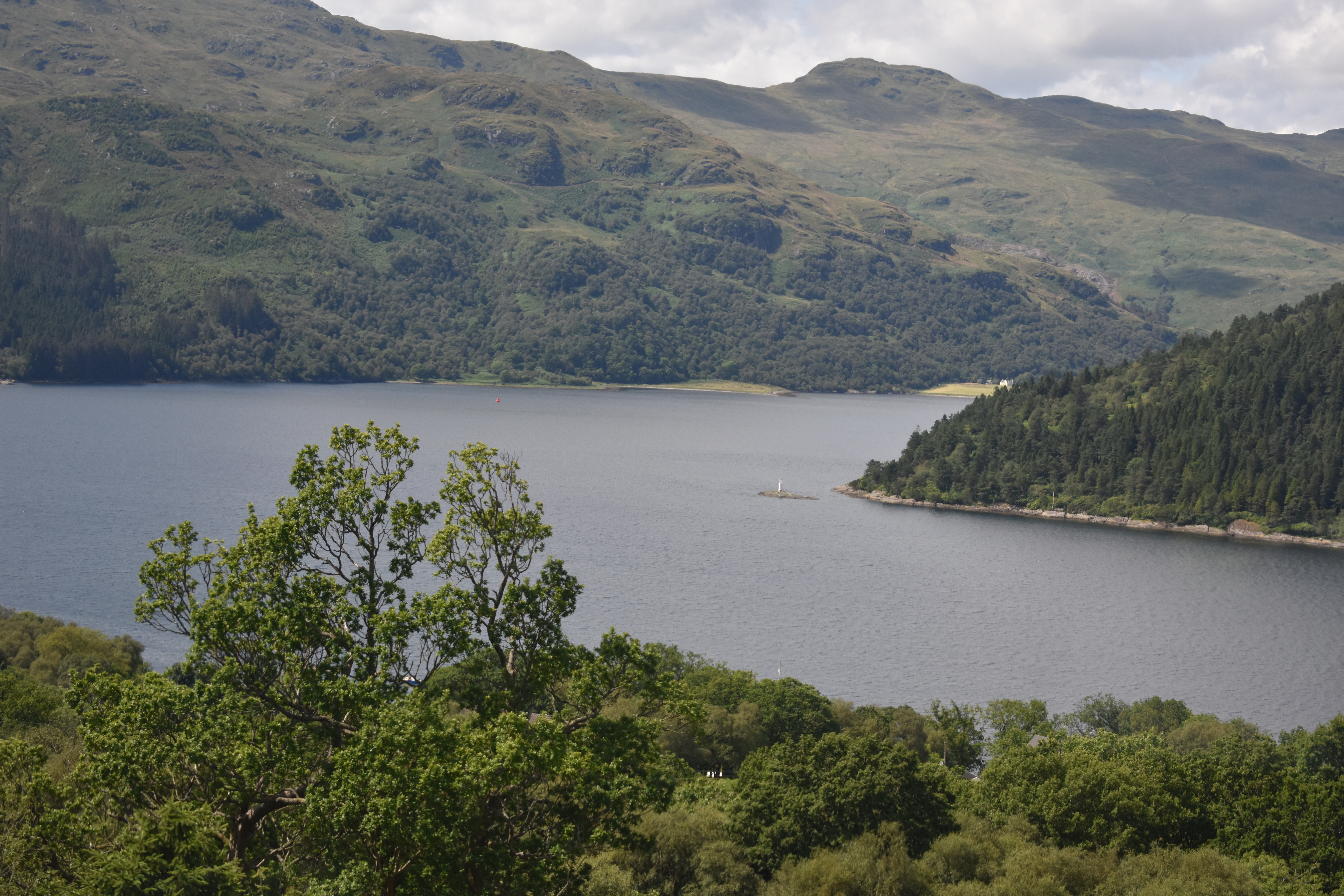
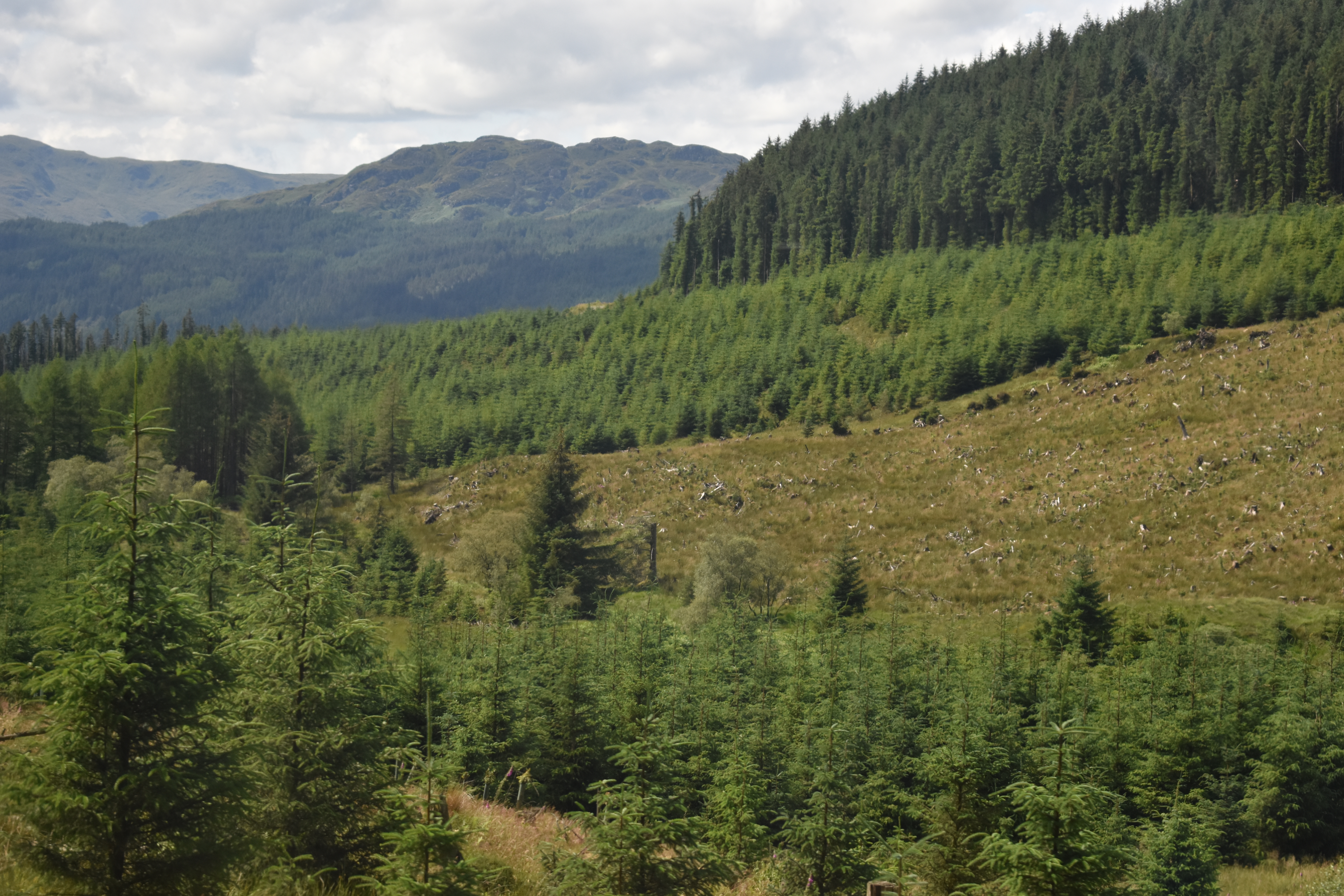
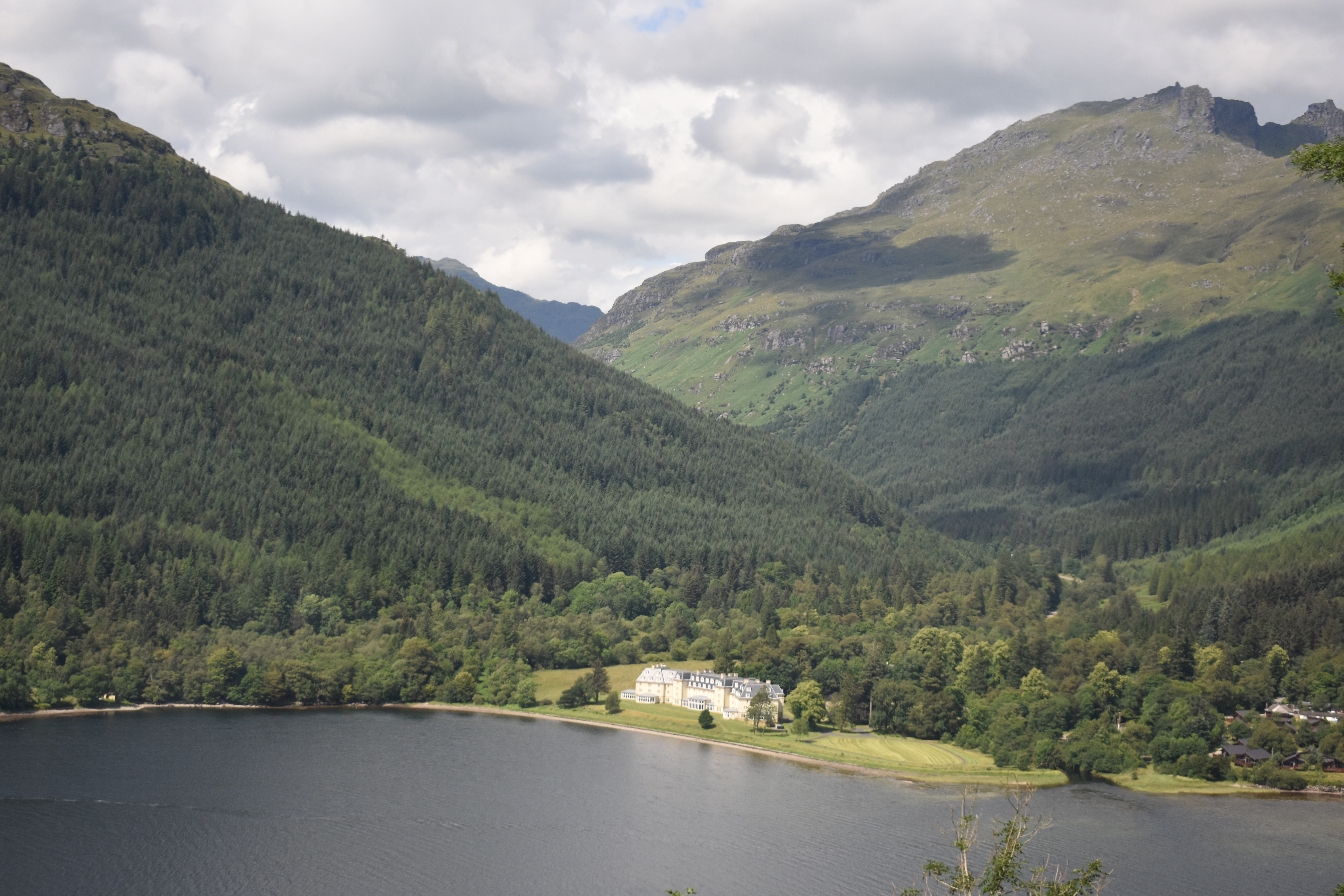
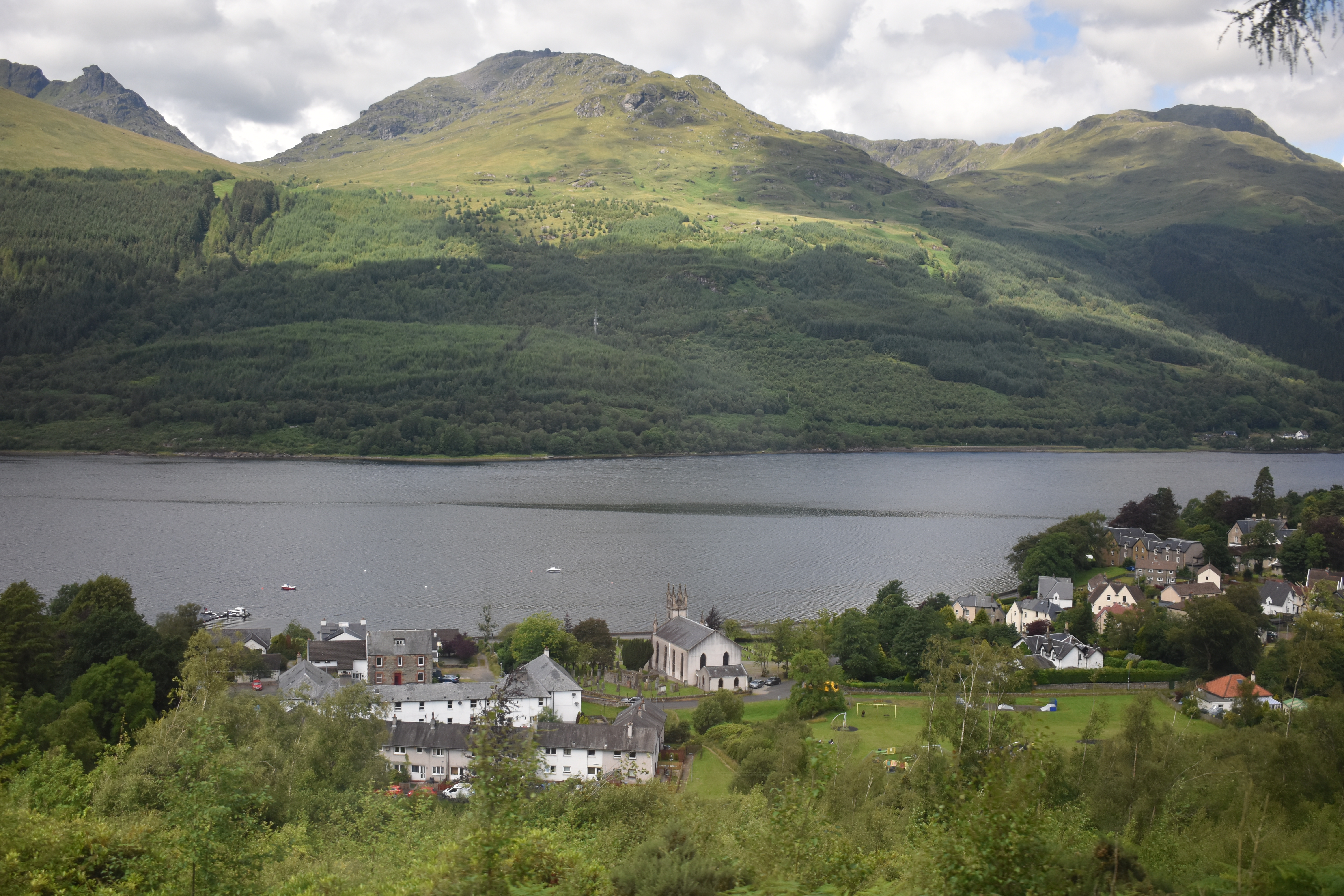
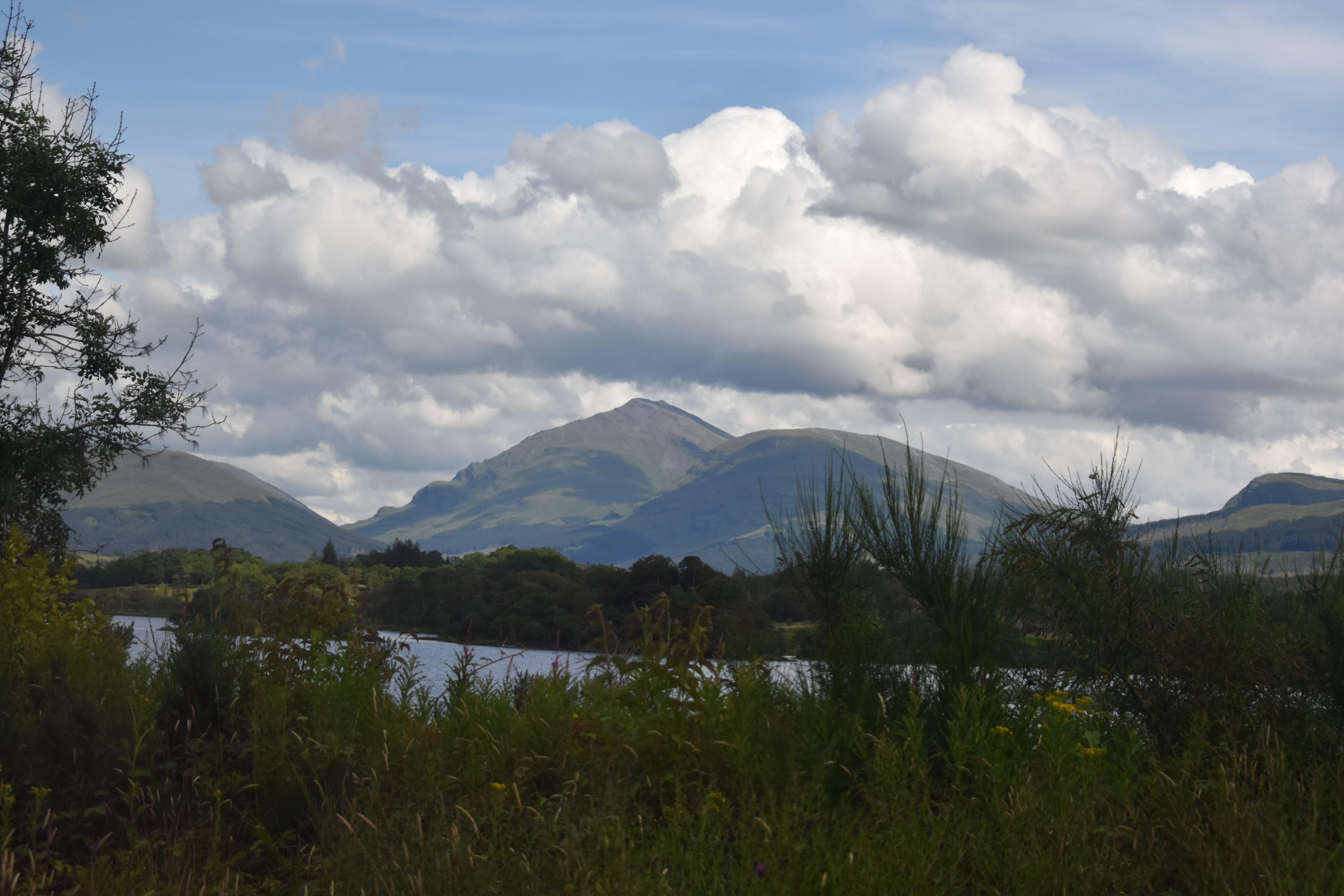
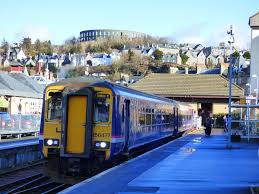
Our journey to Oban on the west coast of Scotland began with a 3 hour scenic train journey from Glasgow. The journey is ranked amongst the top train journeys in the world and it didn’t disappoint. After leaving urban Glasgow the journey follows the wonderful river Clyde as it meanders through the glens on its slow voyage down to the coast. We felt like we were on holiday right from the start. We’d bought advance tickets for only £10.50 each, so this was definitely a bargain buy. Another bonus was the amazing things you can learn on journeys like this by talking to your fellow passengers. We learned about the art of sailing from two delightful people who happened to be sitting next to us. Oban is now a centre for yachting holidays and our two companions were going on sailing trips from Oban. Here are a few photos from our train journey.
We stayed in a small B&B a short walk from the town centre and train station. A great location and full Scottish breakfast.
If you still feel the need to eat later in the day after your breakfast then there are lots of places where you can eat. One of the most popular spots was the Oban Fish and Chip Shop – claimed as one of the best chip shops in Scotland according to The Scotsman newspaper. We thought it a little pricey and crowded so we ended ended up eating our fish and chips in the excellent Wetherspoons situated by the harbour. Great value, quick service and lovely views.
Another popular place to visit is Oban distillery in the heart of Oban. A great place to visit if you have a rainy day, or if you would like to try a wee dram or two!
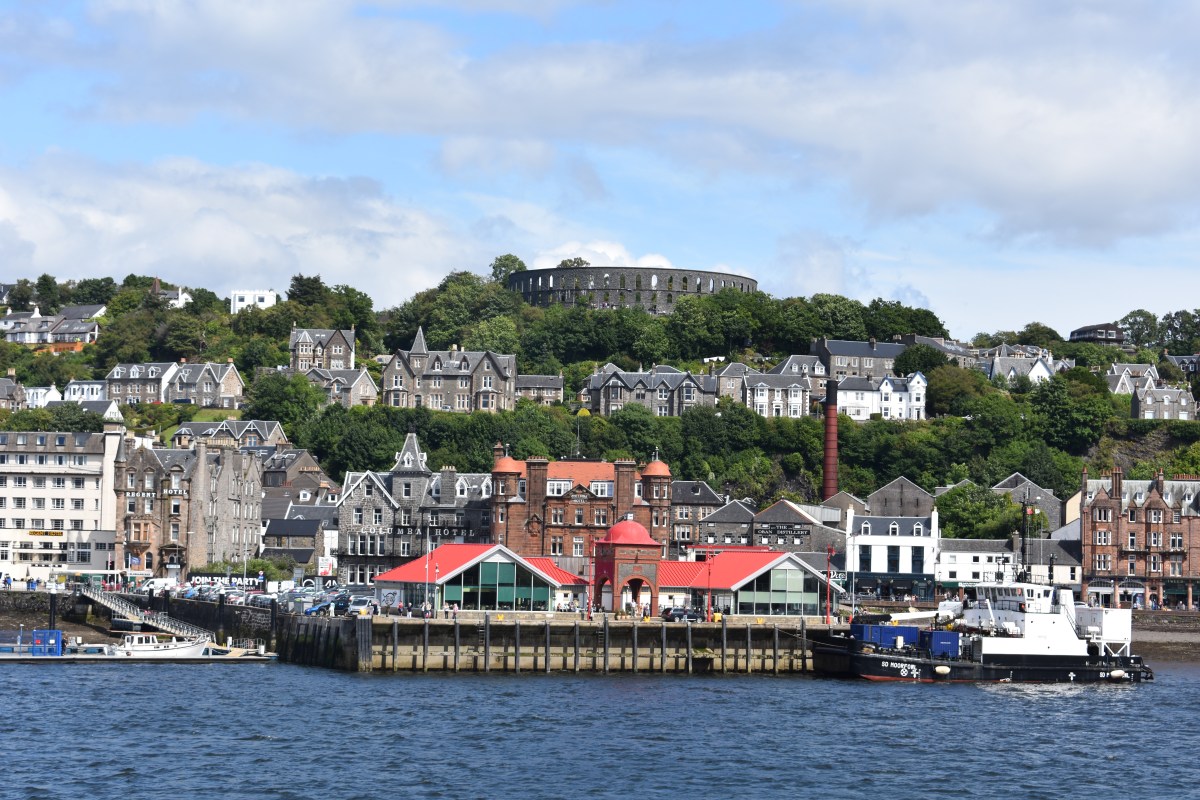
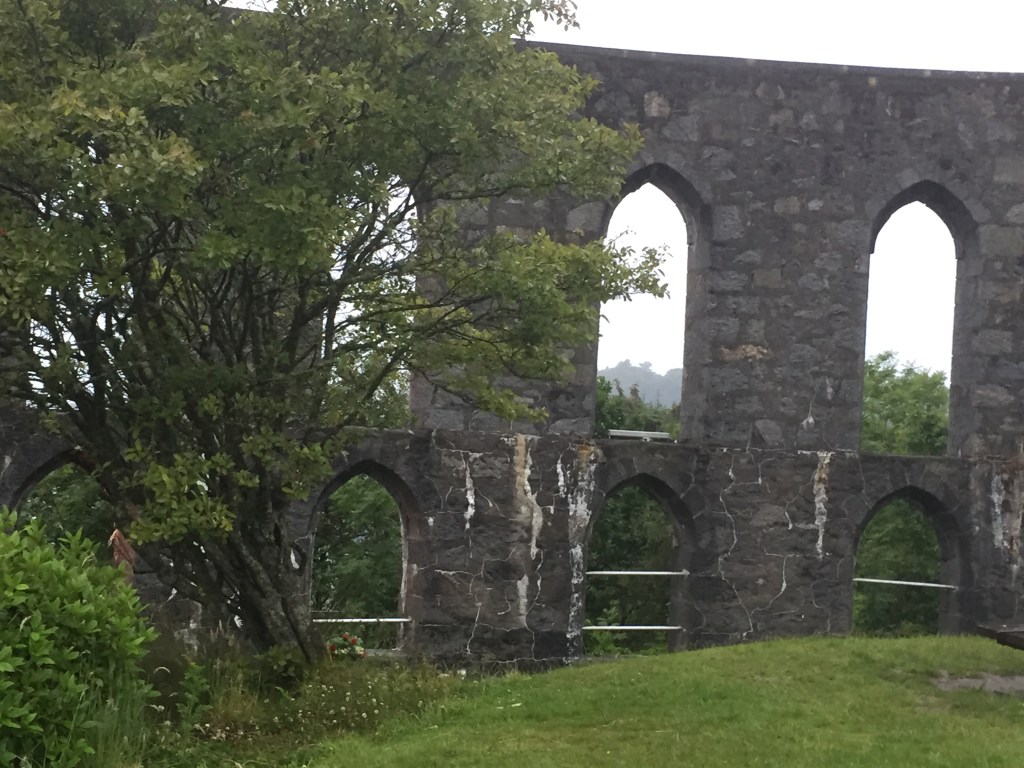
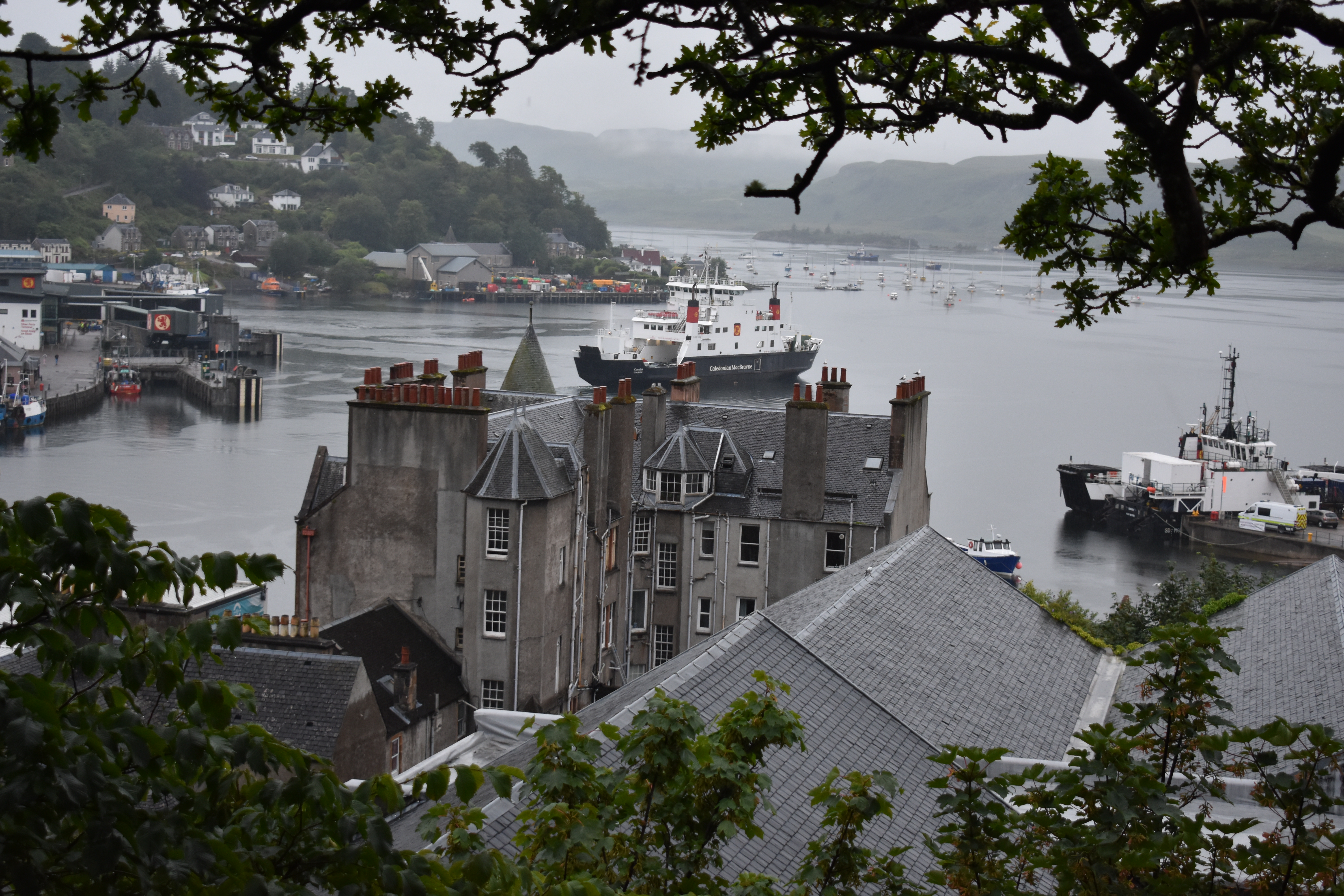
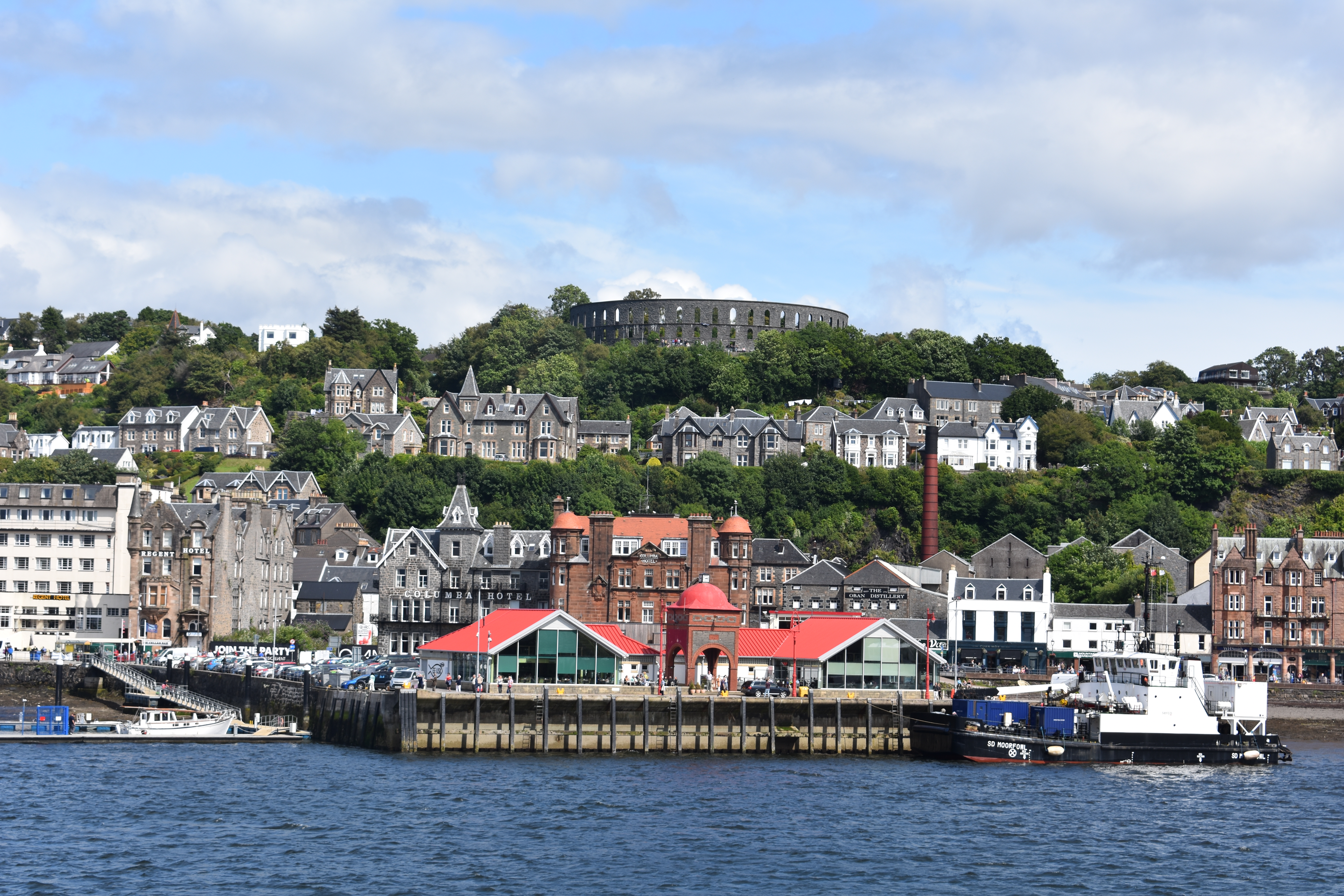
McCaig’s Tower was one of the sites we wanted to see. This is a circular monument built in the 19th century by a local dignitary. It’s a steep walk up the hill from the town centre to see the structure which from a distance resembles the Colosseum of Rome. It gives you a great view of the harbour and bay. Unfortunately for us it was raining when we went up there but it was still worth it for the panoramic views it gave. It is accessible by car for those who don’t wish to walk and there is car parking nearby. For the more energetic, it’s well worth the effort walking up the hill, even if it’s raining!
Oban harbourside
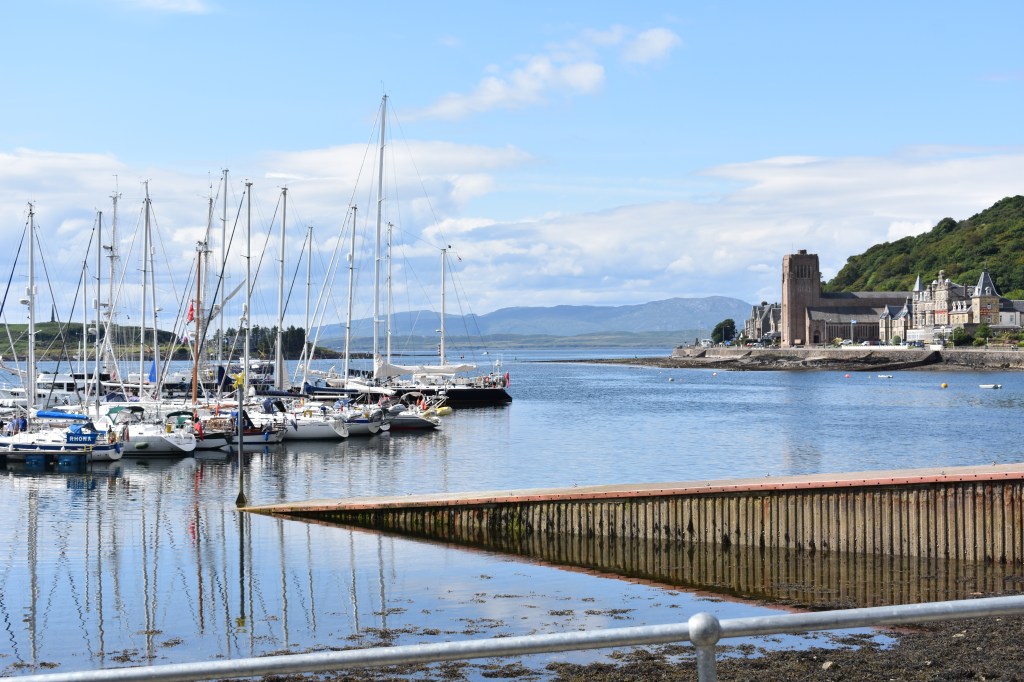
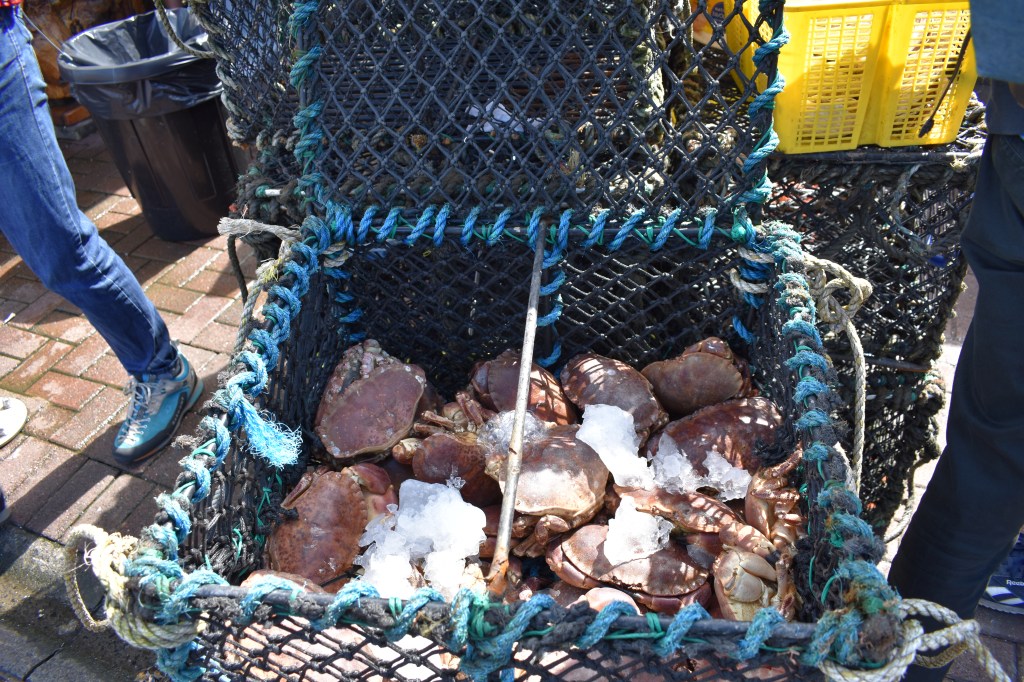
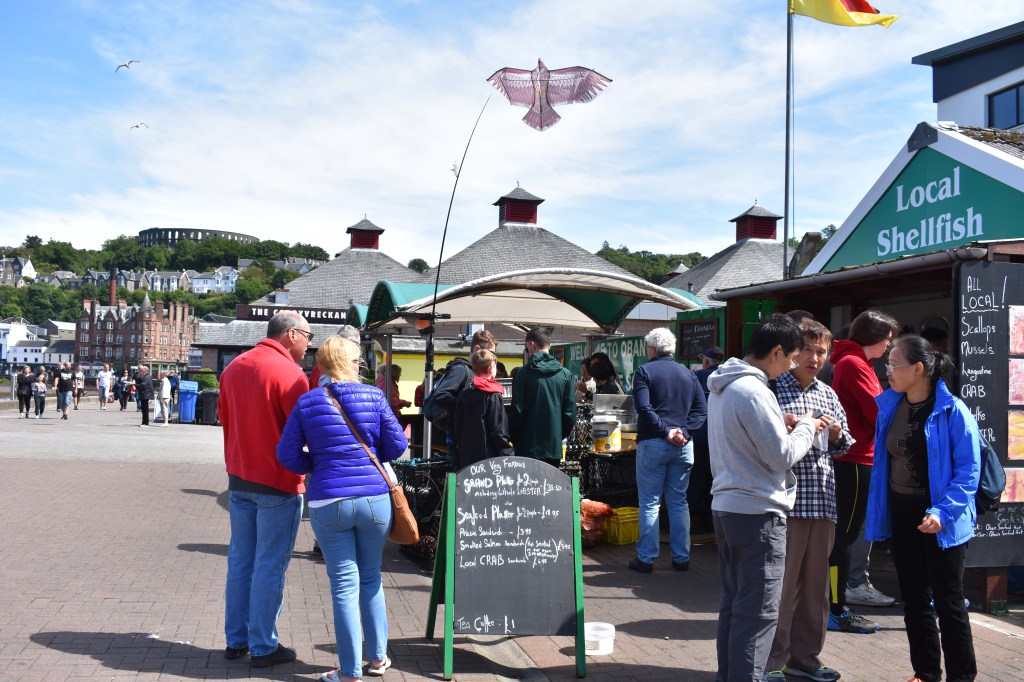
The harbour is an ideal place to watch the ferries coming and going and to eat some of the freshly caught seafood. The harbour’s fame for good seafood now attracts many Chinese visitors so do not be surprised if you hear more Mandarin being spoken than English as you eat your meal!
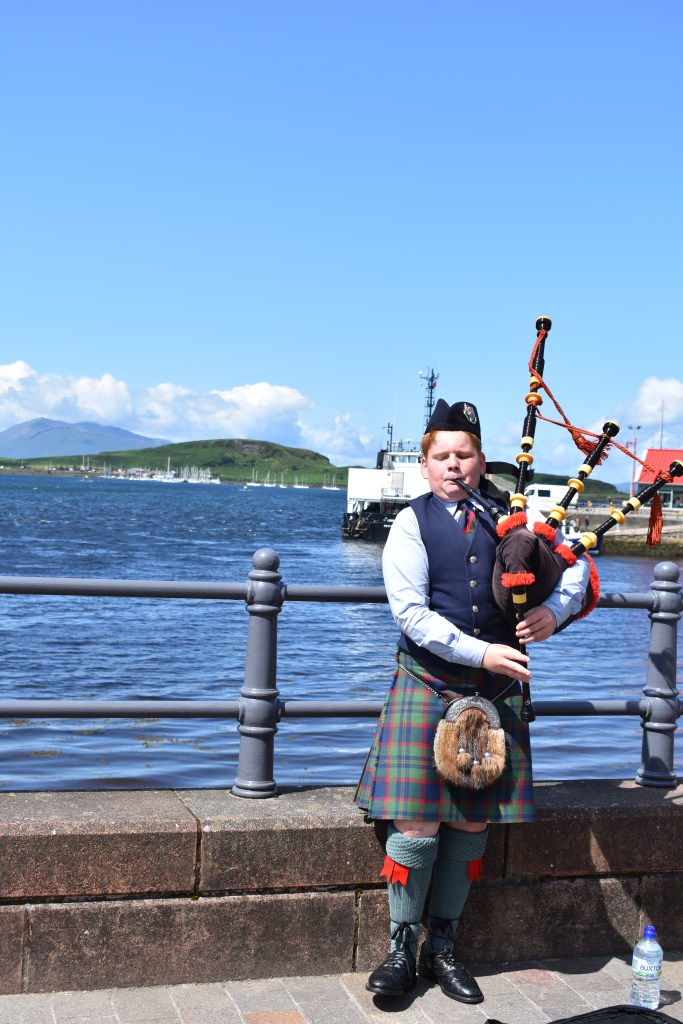
As we left Oban for our onward journey to the Outer Hebrides we saw a young piper on the harbourside. Visitors and locals alike enjoyed listening to the young man who proudly played his pipes and who we thought, was very good. It was certainly unexpected entertainment for the many travellers waiting at the ferry terminal. The terminal is the onward transit point to many of Scottish islands. It is here that we later boarded the ferry to the first stop on our Hebridian adventure, the small, but lovely Island of Barra.
History of Oban
Oban began life as a small fishing port on the West coast of Scotland. It only started to grow with the establishment of a distillery in 1794. The railway which connected Oban with the hinterland arrived a century later in 1880 so the town experienced little of the rapid Victorian urban growth that some Scottish towns experienced.
Oban was an important military base in the Second World War when it was used as a centre for anti-submarine warfare. Since the 1950s, tourism has been the dominant industry in the town and Oban now acts as the ferry port for both the Inner and Outer Hebridean islands.
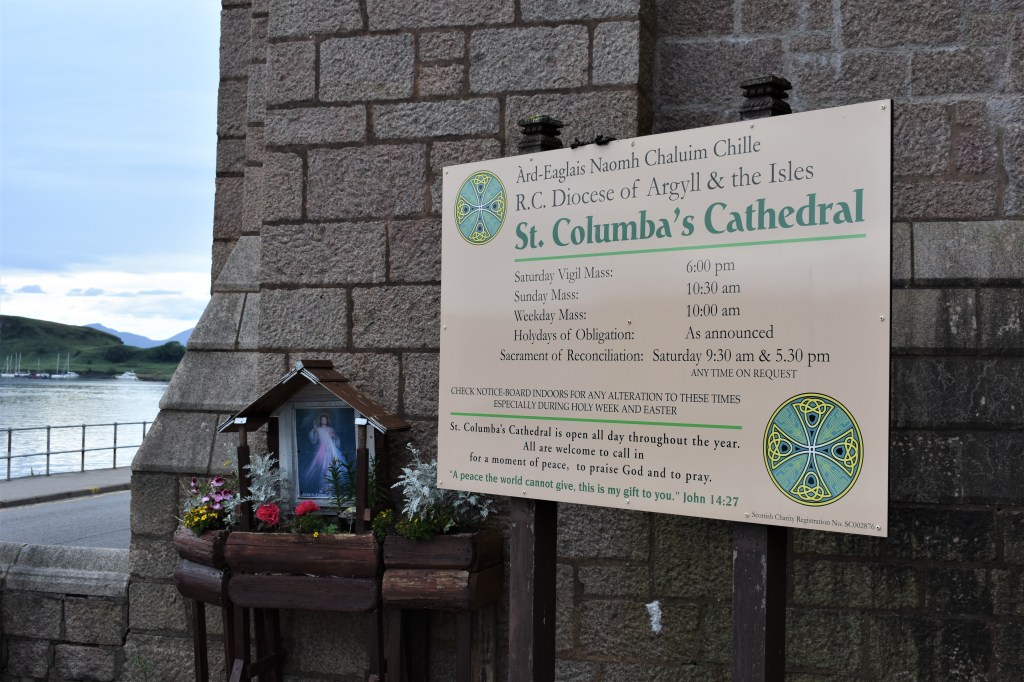
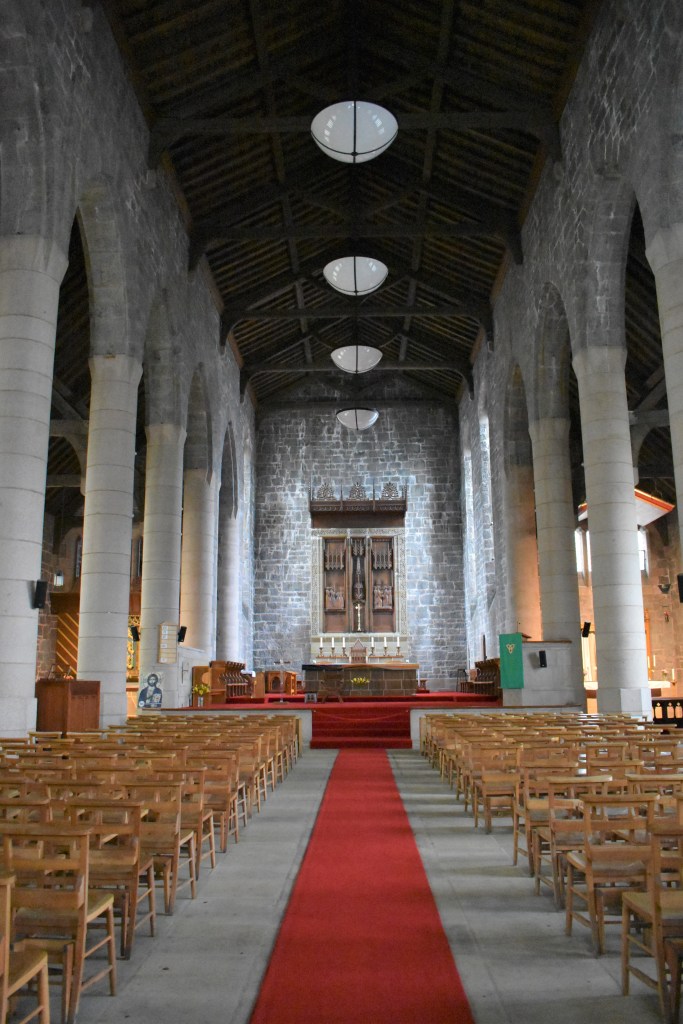
Despite being only a small town, Oban has a number of impressive churches with the Roman Catholic Cathedral of St. Columba being particularly impressive. If St. Columba isn’t to your liking then you can visit one of the many other denomination churches. In Oban you are spoilt for choice!
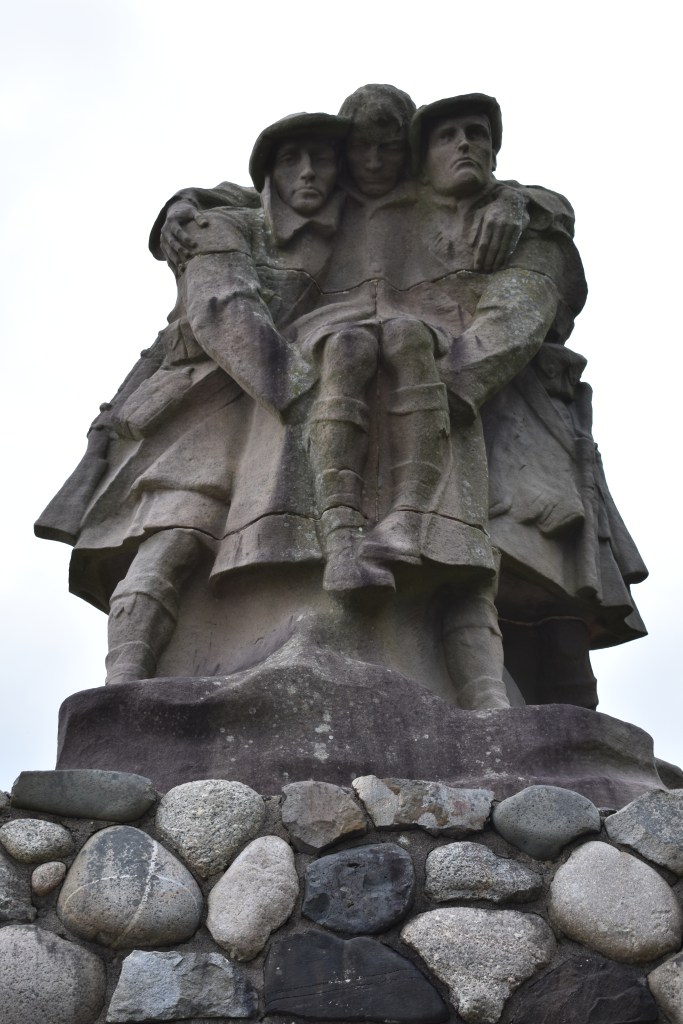
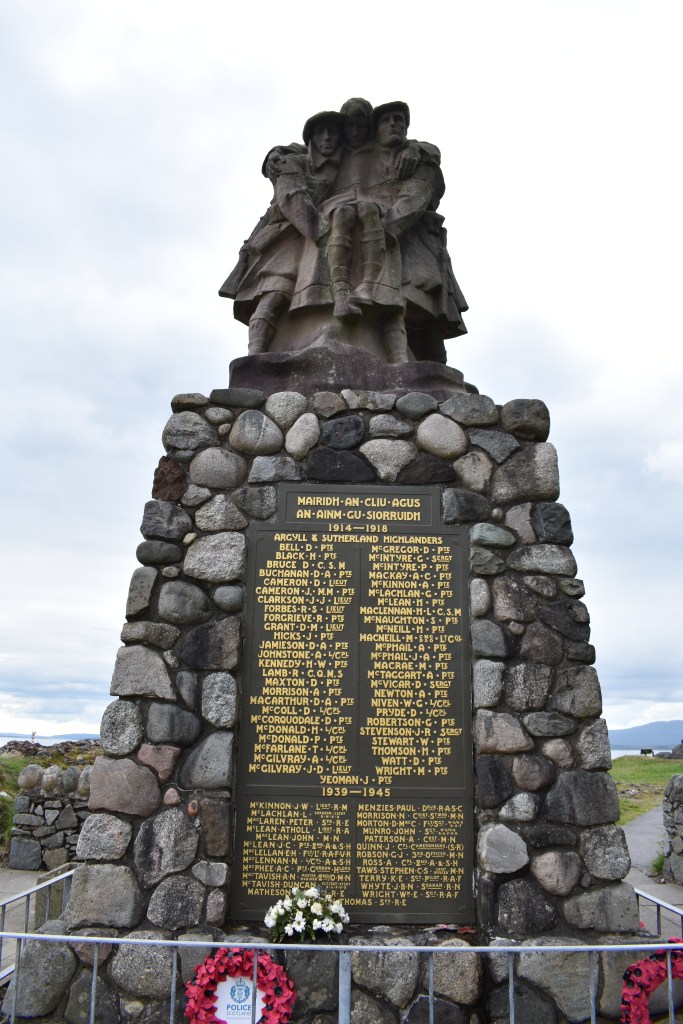
Scotland has many war memorials and Oban’s memorial is particularly emotive and worth viewing. Situated at the side of the road going out towards Ganavan, the memorial is a statue depicting two soldiers carrying their wounded comrade. The statue has a silent dignity that expresses so much about human nature. Personally, I rank the Oban memorial as one of the most memorable war memorials I have visited. I recommend it for a few minutes of contemplative respect.
Running in Oban
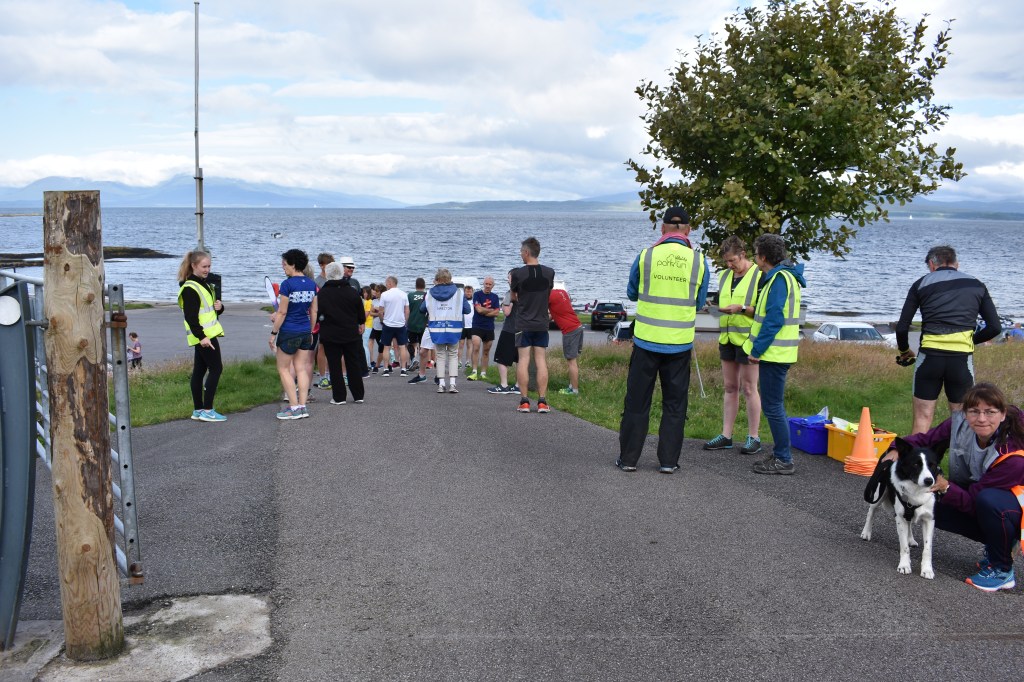
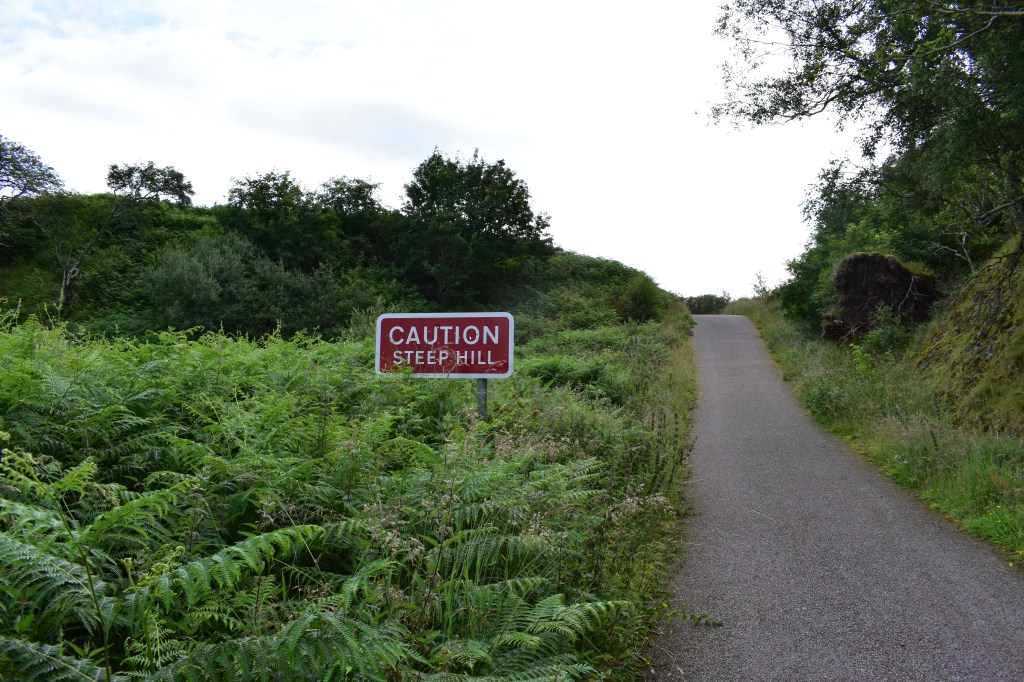
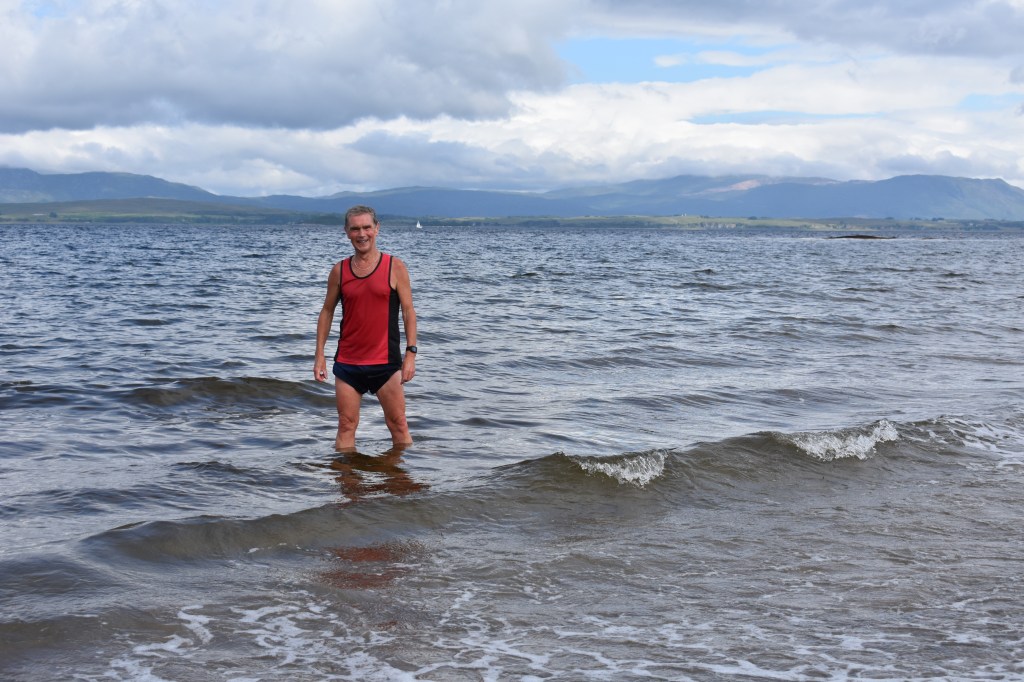
The free local Saturday parkrun attracts park run tourists from all over the UK and beyond. In the Summer months there could be more tourists running the race than locals! The race starts by a local caravan site near Ganavan Sands, hence the parkrun is called the Ganavan Sands Park Run. With 275ft of climbs the run is ranked as one of the toughest 40 park runs in the UK so do not expect a PB. The start is in a wonderful setting, by the sea which some runners go into for a post run cool down and swim! All visitors are treated with wonderful Scottish hospitality which helps to make Oban’s parkrun one of the top rated amongst park run enthusiasts.
When you go to Oban you should make a special effort to do the parkrun. You’ll enjoy it.
We only had a short stay in picturesque Oban before we continued our journey to the Western Isles. We wished we had longer and it’s on our list of places to visit again.
Planning for our Outer Hebrides & Isle of Skye trip
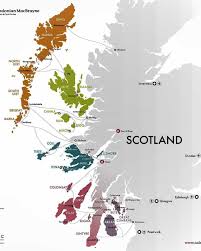
Readers of the Rough Guide recently voted Scotland: ‘the most beautiful country in the world’, beating Canada to the number one slot. Well that is some accolade! We have visited Scotland a few times and have always enjoyed our visits. This year we thought we’d plan a special trip to the beautiful and remote islands of the Outer Hebrides. These islands are located on the north west of the Scottish mainland. We’ve been on many trips and holidays over the years, but none that have needed as much planning as this one!
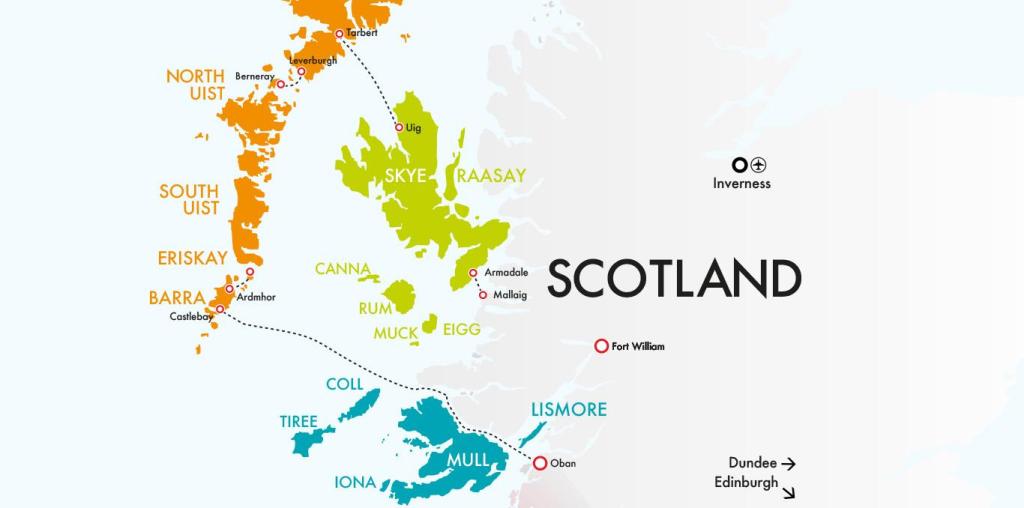
Map showing the Outer Hebrides
Scotland has had a massive increase in tourists in recent years. One of the reasons for the increase in numbers is the phenomenal success of the romantic time-travel TV series, “Outlander”. The show is based on the adventures of an English nurse who travels back in time to the Highlands of the 1740’s and the Jacobite rebellion. The show has a huge following all over the world. Needless to say, many of the show’s devoted fans want to visit “Outlander” Scotland. Hence, the rise in tourism. Strangely though the show has a large global audience, it is less well known in the UK. Outlander is filmed in Scotland (even when they say they are in France or North Carolina!). We will not be visiting the film locations on this occasion – we’ll leave that for another trip!
Planes, trains and automobiles (and ferries!)
Although we live in the UK and could, in theory, drive all the way to Scotland, we prefer to fly there. It is more expensive but it does mean we do not have to endure a 8-10 hour car journey. Birmingham airport is close to us and flight costs are reasonable.
At first, we wanted to see if we could do the trip without any driving at all, so we started planning for that. Our initial idea was that we would fly to Glasgow and from there, take a flight to one of the islands of the Outer Hebrides. There are airports in Stornoway and Benbecula and the Isle of Barra. Barra has the most unique airport. Fancy landing here!
Plane landing in Barra
We then realised that if we did this we couldn’t visit Oban which is on the Scottish mainland. Martin had wanted to visit Oban so he could take part in its Saturday parkrun as it is quite famous in the running community. So, first change of plan. We now decided to go Oban before visiting the islands themselves. So what to do now? Fly to Glasgow and then we could either hire a car, or get a bus, or take the train to Oban. After some research and discovering that the train journey was really beautiful, we decided on that option. The train journey is advertised as one of the world’s best train journeys for stunning views.
Train to Oban
Tip – if you plan on getting the train look for the much cheaper advance fares that are available 12 weeks before the journey begins. I set a reminder in my calendar to do this. Our train journeys have now been booked!
We’ve discovered that the buses are pretty good and link with the ferry timetimetables. Sadly, the buses don’t go to all the places we want to visit and they also don’t operate on Sundays. This means we will have to hire a car some of the time as there are no other options for travel. We could walk or hire bicycles but it would be very difficult carrying our suitcases!
A Hebridian local!
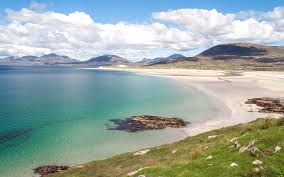
Beach in the islands
Calmac ferries is the local ferry operator and it has lots of travel options. After much deliberation we have decided to go on the Hopscotch 23 route. This entails leaving from Oban on the ferry which takes 5 hours to the island of Barra. What a start! We then travel up through the Outer Hebrides. We will visit the following islands on our journey: Barra, Eriskay, South Uist, Benbecula, North Uist, Harris, Lewis. It’s then on to the Isle of Skye before going on another scenic train journey to Inverness. We will fly home from there. Phew – we’re going to be travelling a lot!
A spreadsheet with dates, times, costs, timetables, hotels booked and deposits paid has been very useful. Some places we will be staying in wanted a deposit, some wanted full payment and some wanted nothing in advance. We will also need our cheque book as not everywhere accepts card payments. I’ve typed up our itinerary and saved it as a pdf document so that it’s easily at hand on my phone.
Weather
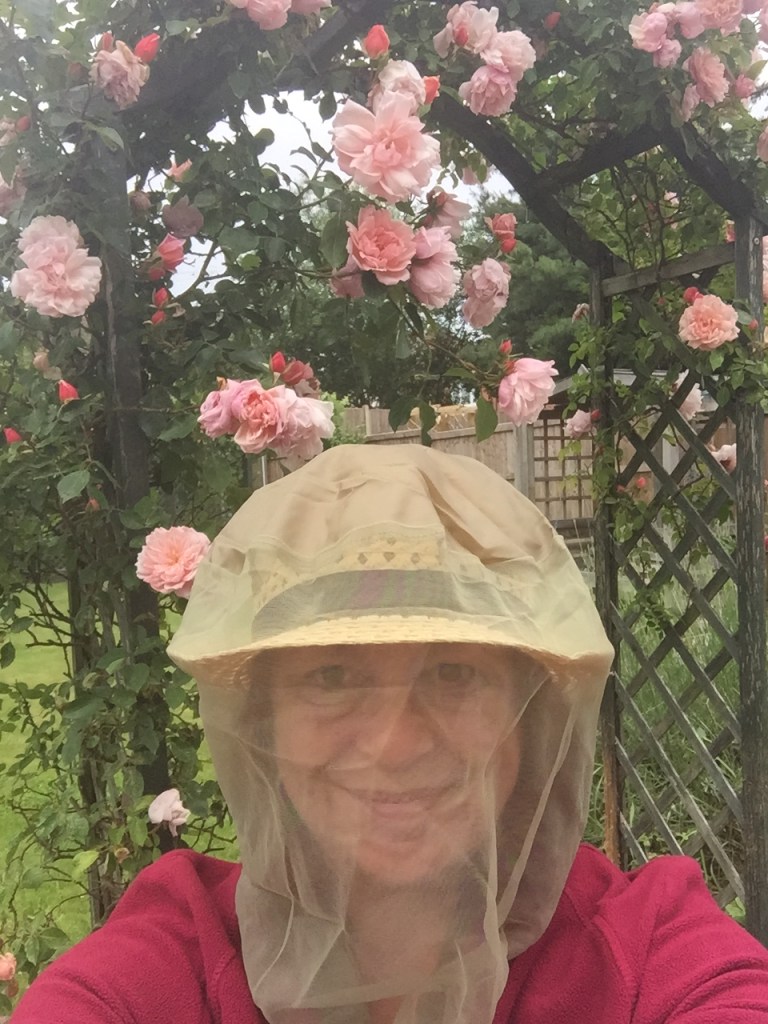
The weather can be unpredictable in Scotland, even in the summer. We will have to bring a mixture of summer clothing and clothes suitable for wet weather. I’ve bought a strong, wind-proof umbrella to take as well. Let’s hope it can do its job, if needed. You may also have heard about the midges in Scotland? They are tiny flies that bite, a bit like mosquitoes. In order to help with these we have got a supply of the Avon spray: Skin So Soft. Everybody swears by it its success against the little flying nasties. We’ll let you know after our trip if its worked. Just in case, we’ve also bought two midge nets. We really don’t want to have to use them, but it can’t hurt taking them along.
Our planes, trains and automobiles are now booked and we can’t wait to explore the beautiful islands. Look out for our future blogs to learn all about the places we visited.
If you want to experience a truly enjoyable trail parkrun, then it is hard to beat the Forest of Dean parkrun. It is set in the heart of the forest, a recognised area of outstanding natural beauty, on the outskirts of the small town of Coleford. The friendly parkrun volunteers offer a warm welcome to parkrun tourists and other visitors to this beautiful part of the country.
Getting there and Parking
The parkrun start is just off the A4136 about 6 miles from Monmouth. This is a good road and easy to drive. However, should you come from the Ross-on-Wye direction, you may be tempted to take the short route via Symonds Yat East. This route is stunningly scenic but some of the roads are very narrow with only a few passing points. If you are not used to driving on such narrow country roads, particularly in the busy Summer months, the longer route via Monmouth may be advisable.
However, if you arrive before 8.25 am you should be able to park in the local school, The Five Acres High School, which is literally just across the road from the start. In the holiday season it may be wise to park at the rugby club as up to 250 runners could be running and parking places will be taken early at the school.
Insect Bites
Just a little word of warning: as you will be in a forest you may get bitten! Mary got bit 5 times just watching me as I ran the course! Oh why didn’t we remember to bring the Avon Skin So Soft spray with us? Lesson learnt – bring insect repellent to any parkrun in a wooded area or near water during the summer mosquito season!
Course Features
The course is a fairly flat route with only a couple of gradual inclines. However, it is a trail course and so it could get muddy after rain or if the days or weeks before have been rainy. Trail running shoes may be more appropriate footwear for wet conditions. When I ran the weather had been dry so my normal running shoes sufficed. However, there were still a few muddy patches remaining despite the dry weather.
Logs, branches on the course- any chance of a PB?
As the course is through a forest you have to be careful with your footing. There may be the occasional log to jump or tree root to avoid. You just have to take care. Needless to say, such a course means the Forest of Dean parkrun is not a PB course but the lack of steep gradients makes it a relatively fast run.
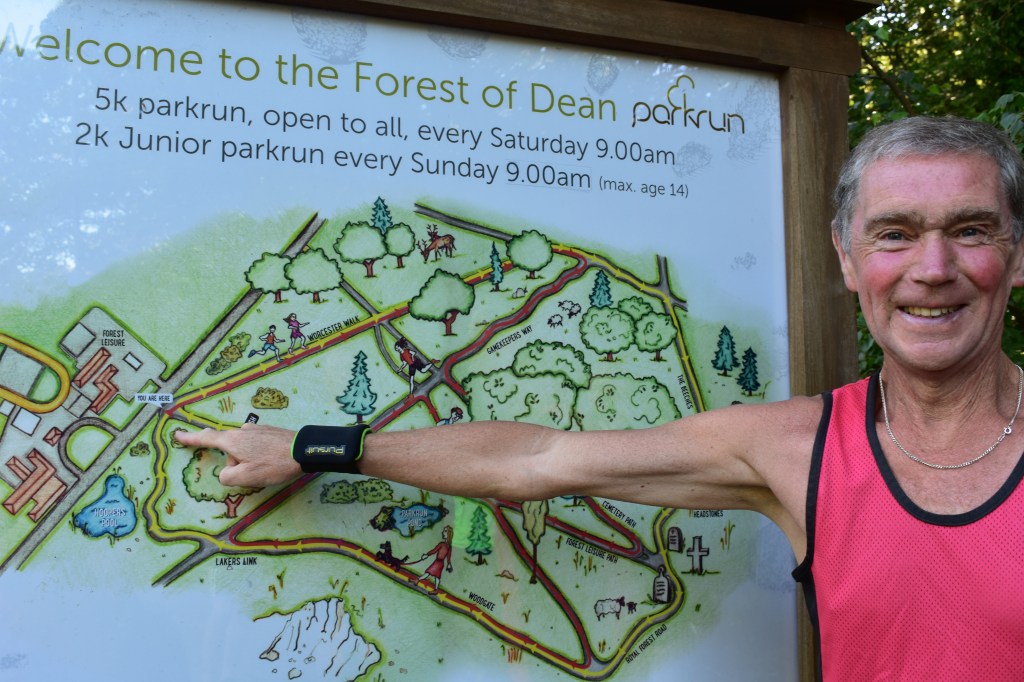
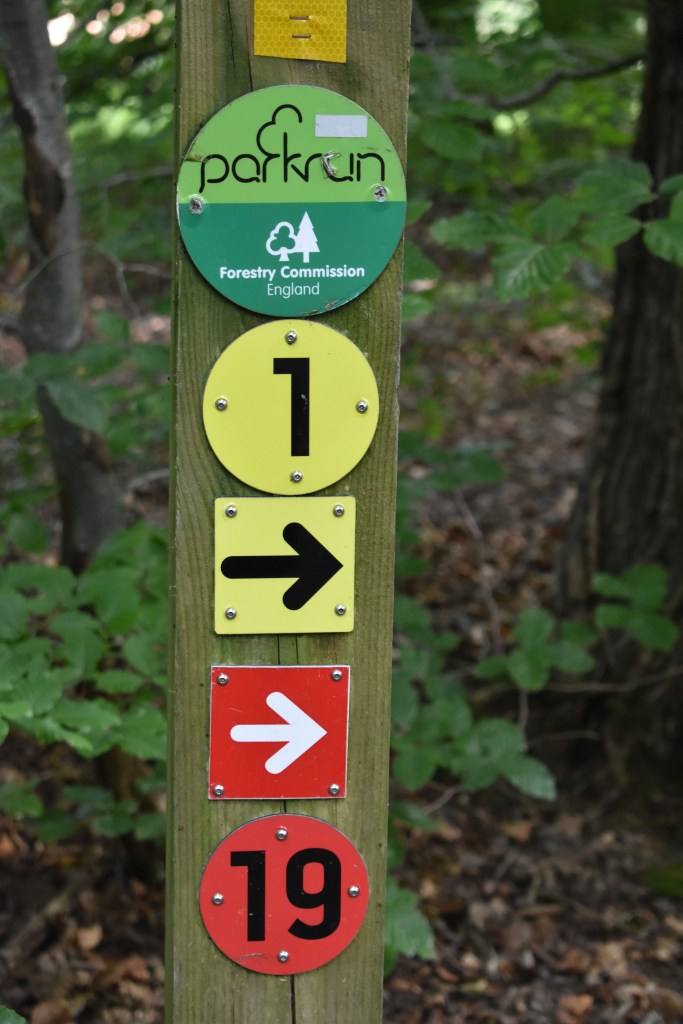
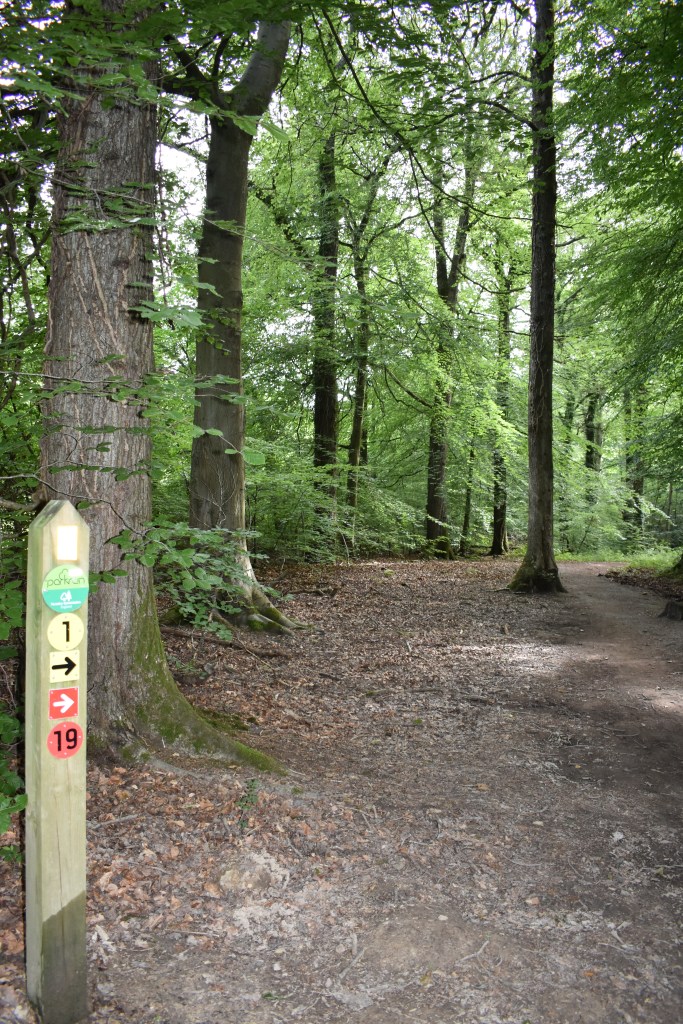
A nice feature about this run is that the course is permanently marked so you can run it any time if you are in the area. The excellent markings make it easy to follow the route. There is also a large map at the start of the run showing a detailed outline of the course
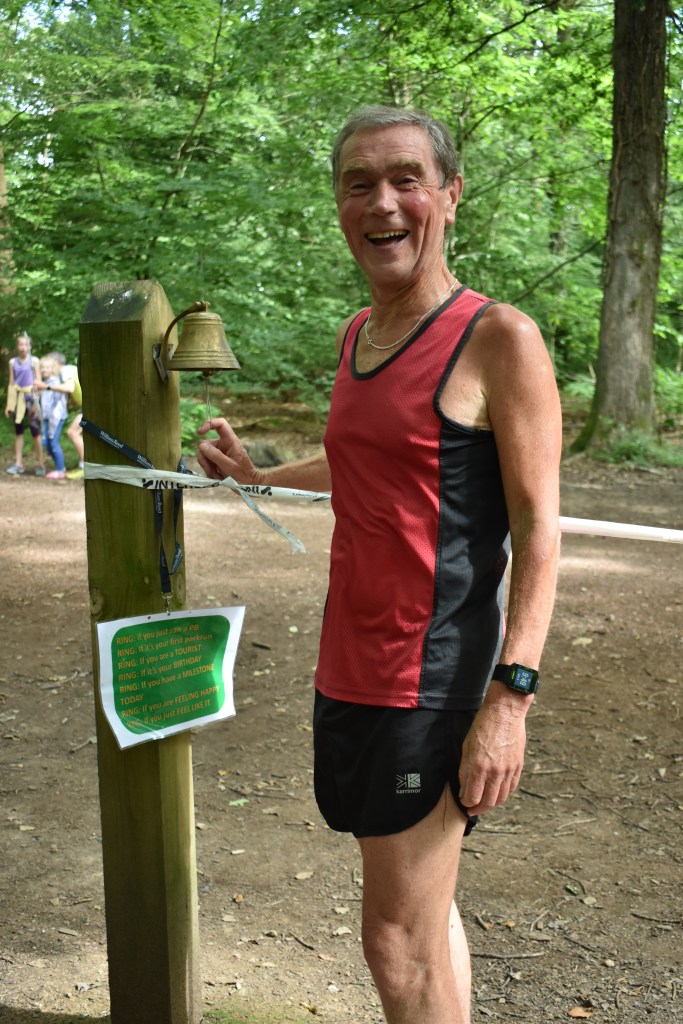
Just to add a little bit of fun there is a bell at the end of the run in the finishing funnel. The sign says: ring if you have a PB, birthday, you’re a tourist or ring just because you want to. What a nice thing to do. I rang it is as I was a first-timer and it brought a smile to my face and to the faces of the other runners there.
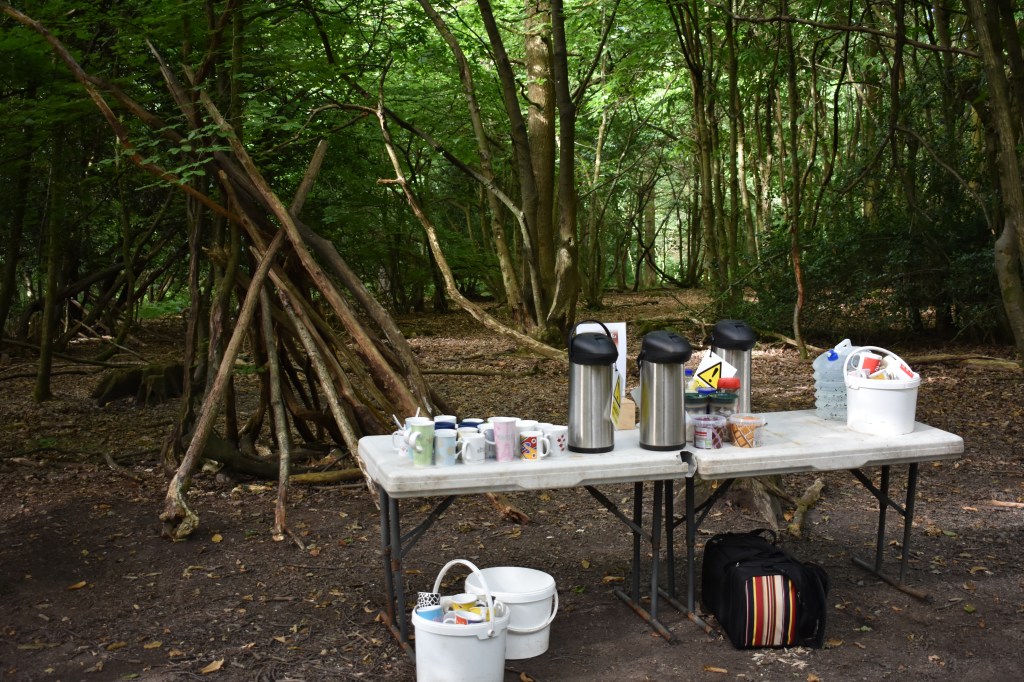
It wouldn’t be a good parkrun without tea and coffee at the end. We loved the refreshment set up here. Only 50p for a tea or coffee, and a variety of delightful cakes were on sale for the the same price. We left the Forest of Dean after our refreshments saying we would definitely come again. We hope you do, too.
History of Parkrun
The first parkrun was back in 2004 in Bushy Park, Teddington, London. The brainchild of Paul and Joanne Sinton-Hewit, the parkrun idea spread rapidly spread throughout the UK and Ireland. It is now a global phenomena which holds true to the founding principles wherever it is run. A short history of the parkrun can be found at this link: https://www.parkrun.com/about/our-story/
For more information on parkrun including details of where they are held see Parkrun website: https://www.parkrun.org.uk/
If you love family friendly festivals, and are on a budget, then come to Coventry! Feeder will headline the festival in 2019 and crowds of over 40,000 are expected on the Saturday alone. There are many other bands playing during the festival so you can experience different styles of music during the three days of the event. Families with children can enjoy a funfair and lots of other activities dotted around the site. The Godiva Festival is a festival that caters for everyone and we hope you enjoy your visit.
Godiva Festival
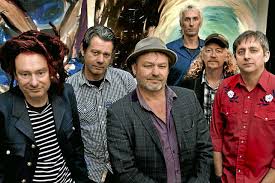
2019 headliners are: Levellers on Friday, Feeder on Saturday and Busted on Sunday.
Levellers
Feeder
Busted
The Godiva festival has taken place every year for over 20 years. The location is Coventry’s War Memorial Park, just outside the centre of Coventry, on the Kenilworth Road. This year’s event is happening from 5-7 July 2019.
War Memorial Park, Coventry
For the first time this year there are charges, but it is only £2 per person, per day – it must be the cheapest festival tickets in the UK? Tickets can be bought at the gate, but to ensure you get in it’s probably best to buy in advance online. Car park charges on-site are £10 per day, however, expect to queue. It might be easier to park in one of the city centre’s many car parks where parking is easier and fees are less. It’s a pleasant 1 km stroll to the park from the city centre. If you come by train then it’s an even shorter stroll to the park. There is no camping available. Tickets available from this site: https://godivatickets.co.uk/
History of Godiva
If you’ve read the “About Us” section on our site you will see that we’ve called our blog “Godiva Travellers”. Lady Godiva is Coventry’s symbol and it why so many local events, such as the Godiva Festival, are named in her honour.
Lady Godiva and her husband Earl Leofric are real historical figures from pre-Norman England of 1030-1060s. Earl of Mercia Leofric was one of the most powerful nobles in the country. The legend says that during a banquet feast Lady Godiva pleaded with her husband to reduce the heavy taxation on the people of Coventry. Maybe having had too much wine, Leofric joked that he would reduce Coventry’s taxes but only if Godiva agreed to ride naked, on horseback, through the city’s streets.
To Leofric’s astonishment, this is what Godiva did. Out of respect, the townsfolk closed the shutters on their windows so no one would see Godiva as she rode by. Only Peeping Tom opened his shutters to gaze on the naked Lady Godiva and for this, God is said to have blinded him. Leofric kept his promise and reduced the town’s taxes.
Leofric’s family lost power after the Norman conquest of 1066. There is another legend that says Lady Godiva and Earl Leofric were the parents of Hereward the Wake, the leader of the last English resistance to the Normans. The historical evidence for this legend has not been verified. It is a good story though so we believe it!
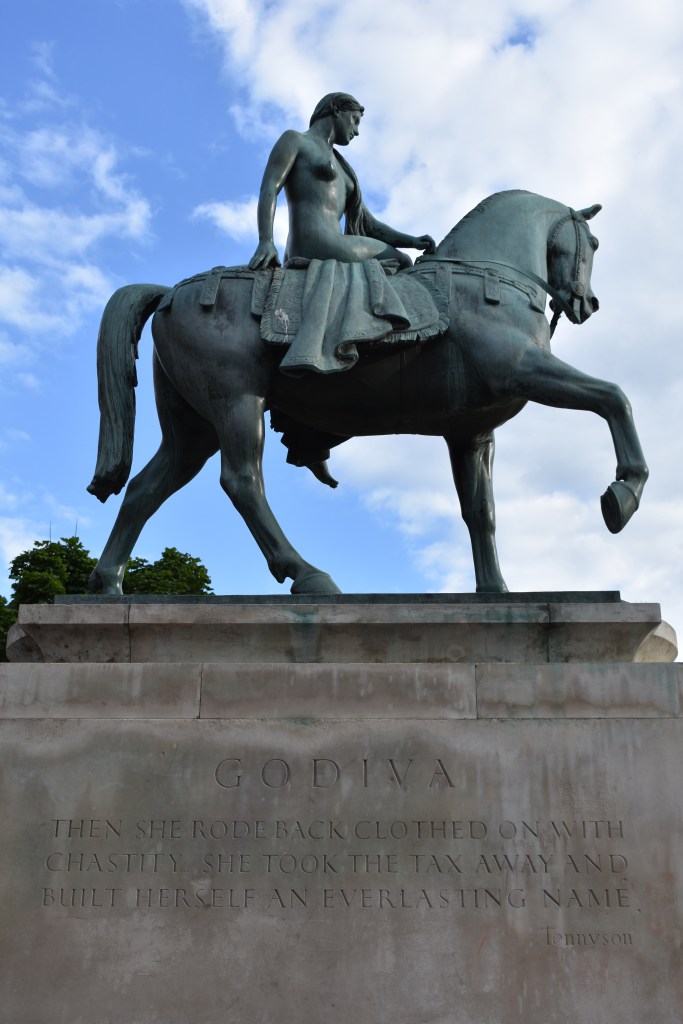
If you go into the city centre you will see a statue of Lady Godiva and the Peeping Tom Clock.
Lady Godiva Statue
Peeping Tom clock
Running at the War Memorial Park
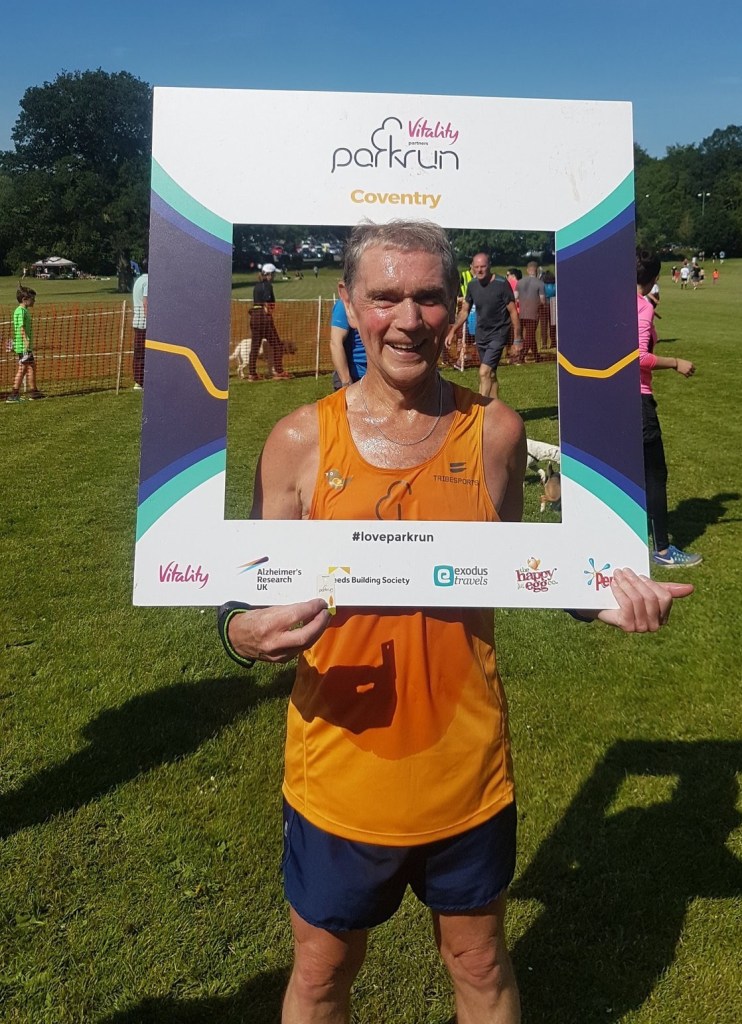
This is the place where the Coventry Parkrun takes place every Saturday at 9.00 am. It’s a free 5k run around the park. It’s one of the largest parkruns in the UK attracting hundreds of runners of all abilities every week.
There is no parkrun while the festival takes place, but it is ran on all the other Saturdays in the year (weather permitting).
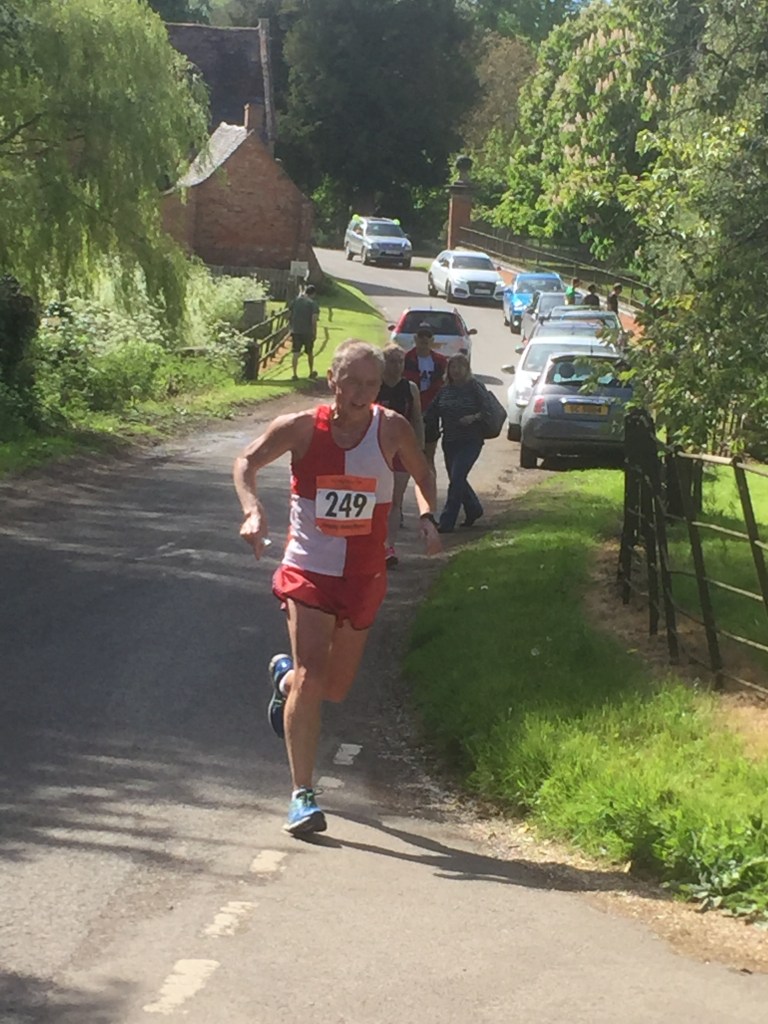
Martin became the runner to run the 1 millionth kilometre at the Coventry parkrun in June 2019!
We would love to hear your thoughts in the comments section below. Please share with anyone you think may be interested. See you again soon!

















 Godiva Travellers