Eriskay and the missing 10 shilling notes

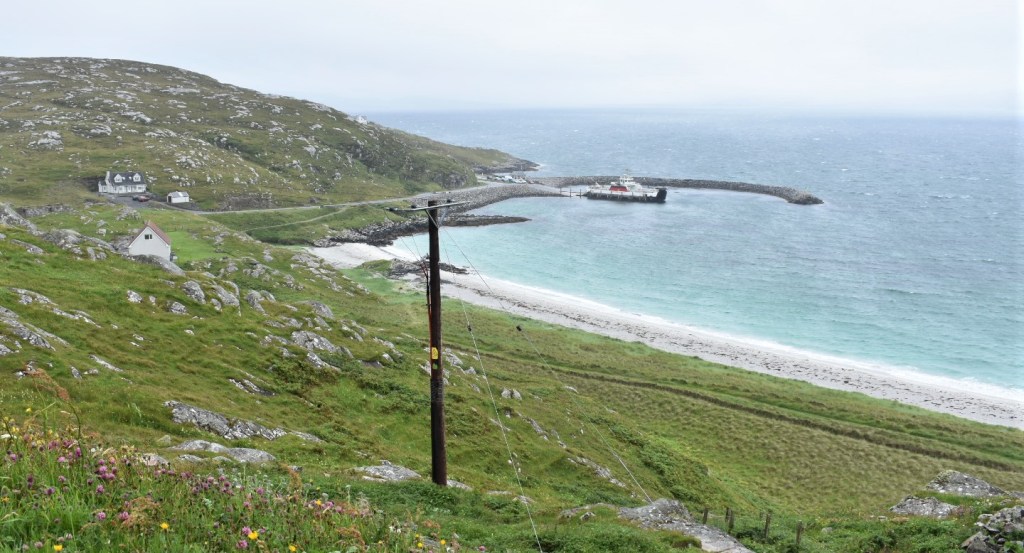
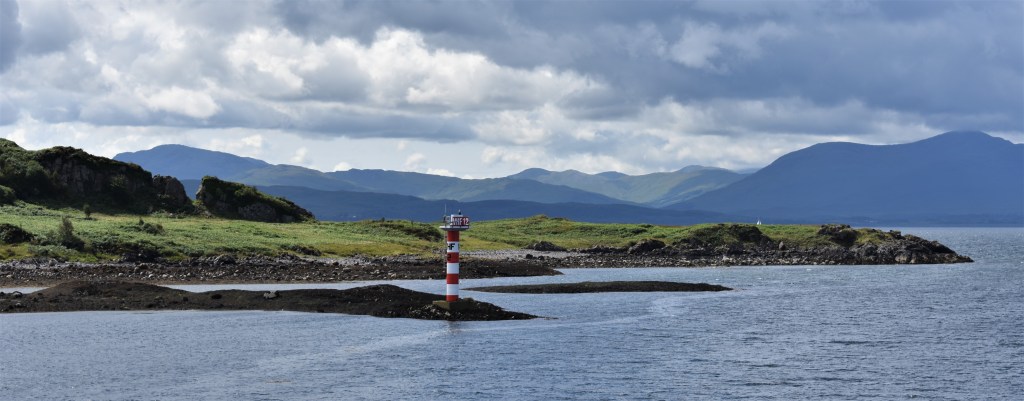
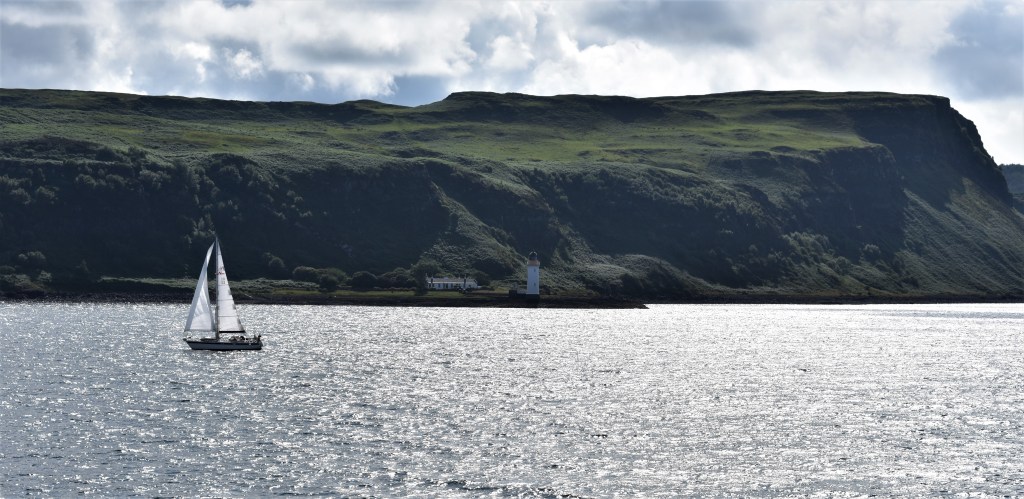
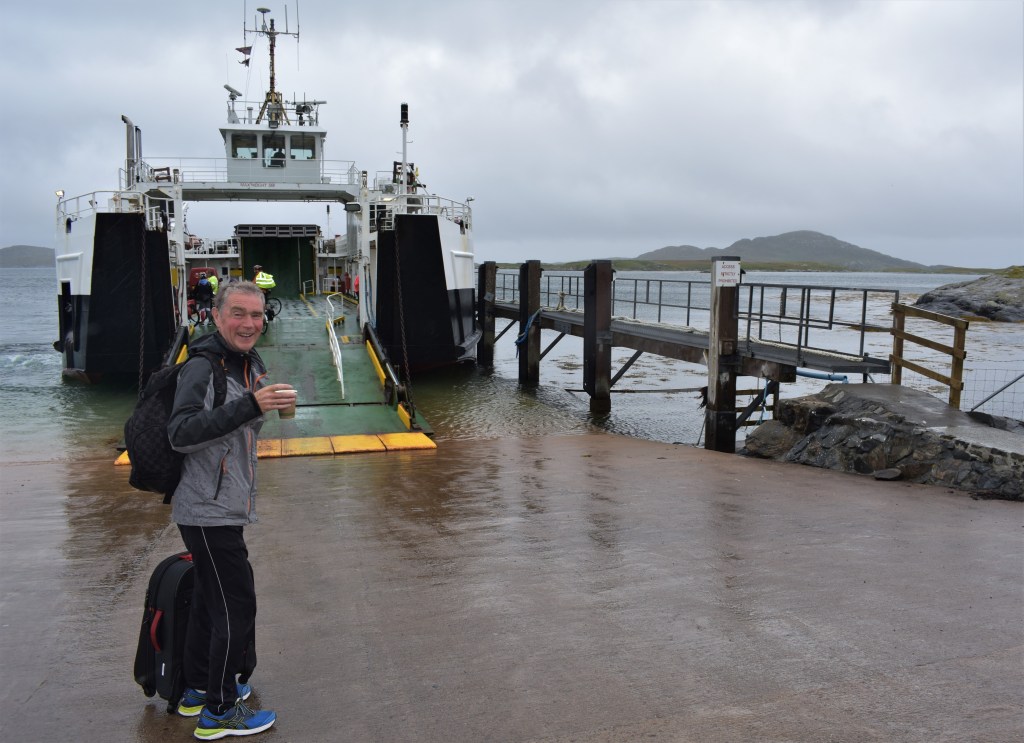
About 4 square miles in total, Eriskay is one of the smaller islands of the Outer Hebrides.  Though the island has been connected to its larger neighbour South Uist by a causeway since 2001, the island still maintains its independent character.  Our second ferry journey on the Calmac Hopscotch 23 route was a short 40 minute ferry voyage from Barra to Eriskay. It was another opportunity to meet and talk with fellow travellers and another opportunity to scan the seas for passing sharks and seals. Travelling on a Hebrides ferry is a real pleasure.
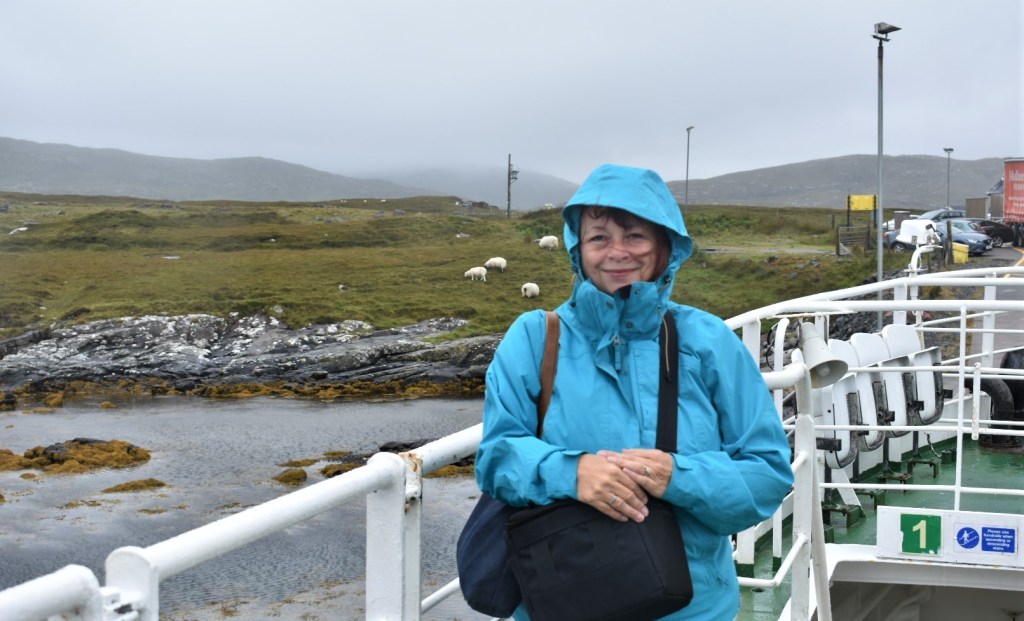
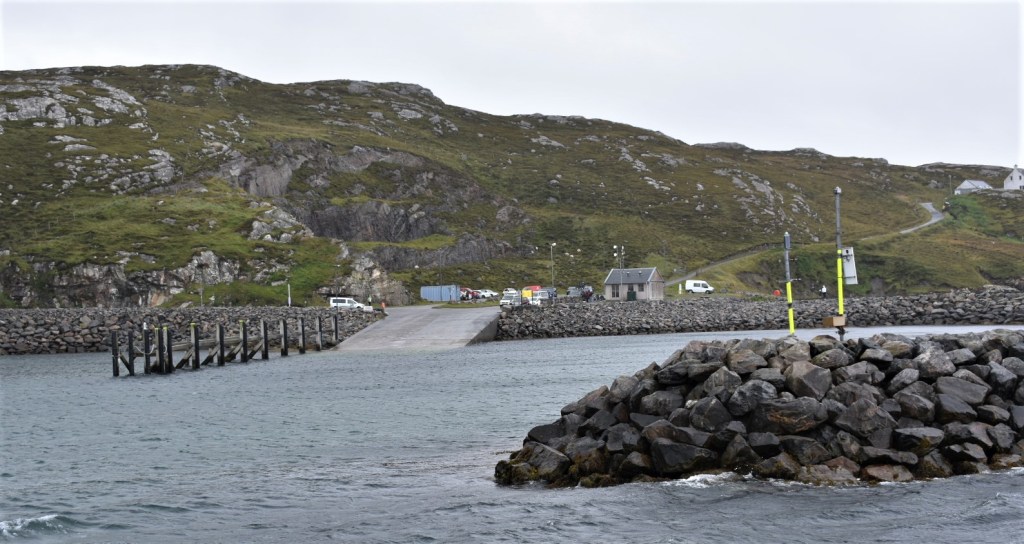
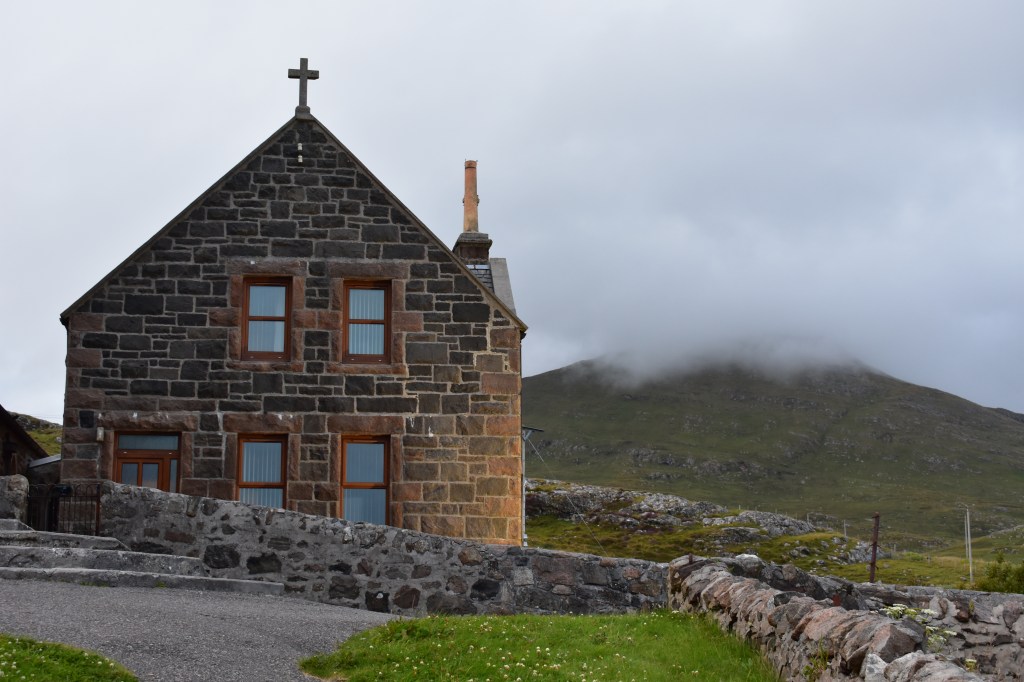
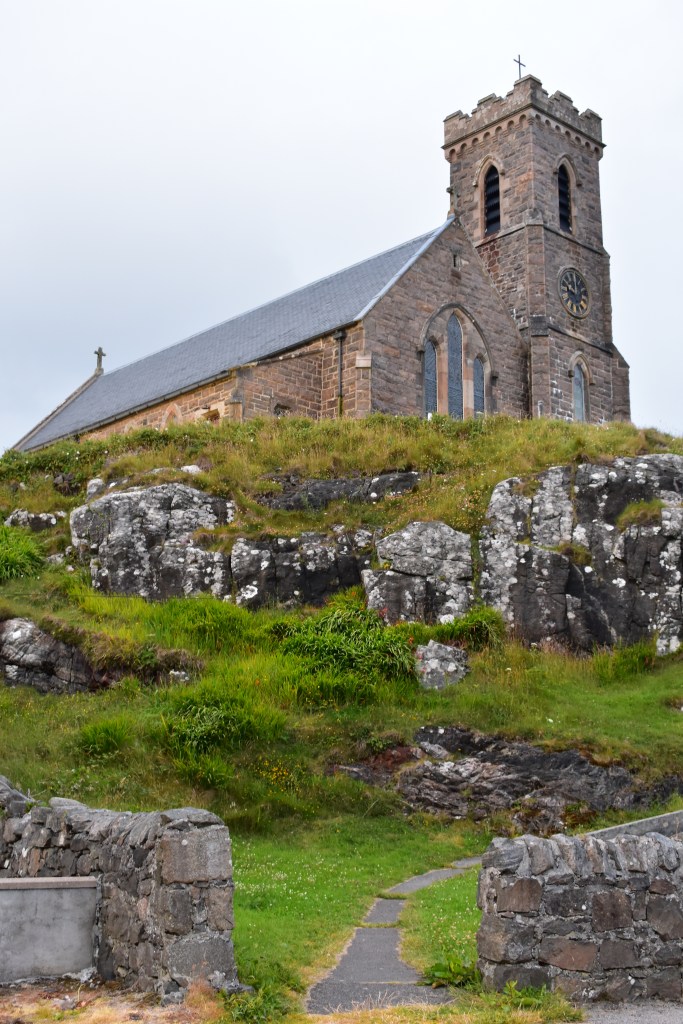
We decided to hire a car for this part of our travels through the Outer Hebrides. We picked up the hire car at the ferry port and arranged to leave it at the ferry port in Berneray a few days later. Our plan on arriving was to set off on a 1.5 mile circular walk which started at the ferry terminal.  The walk would have taken us along Prince’s Beach where Bonny Prince Charlie landed in 1745 at the start of his forlorn adventure to regain the British throne for the Stuart family.  The walk would have taken us past Eriskay’s remarkable Catholic church, built by local people using local materials towards the end of the 19th century. The church contains remains from both the first world and second world war within its structure.  The altar sits on top of a lifeboat from the WW11 aircraft carrier, the HMS Hermes and the bell comes from the German battle cruiser, the Derfflinger which was scuttled in 1918.

Here is a link to further information about the church: St Michael’s Church

The route of our planned walk can be found in Paul and Helen Webster’s book: The Outer Hebrides: 40 Coast and Country Walks
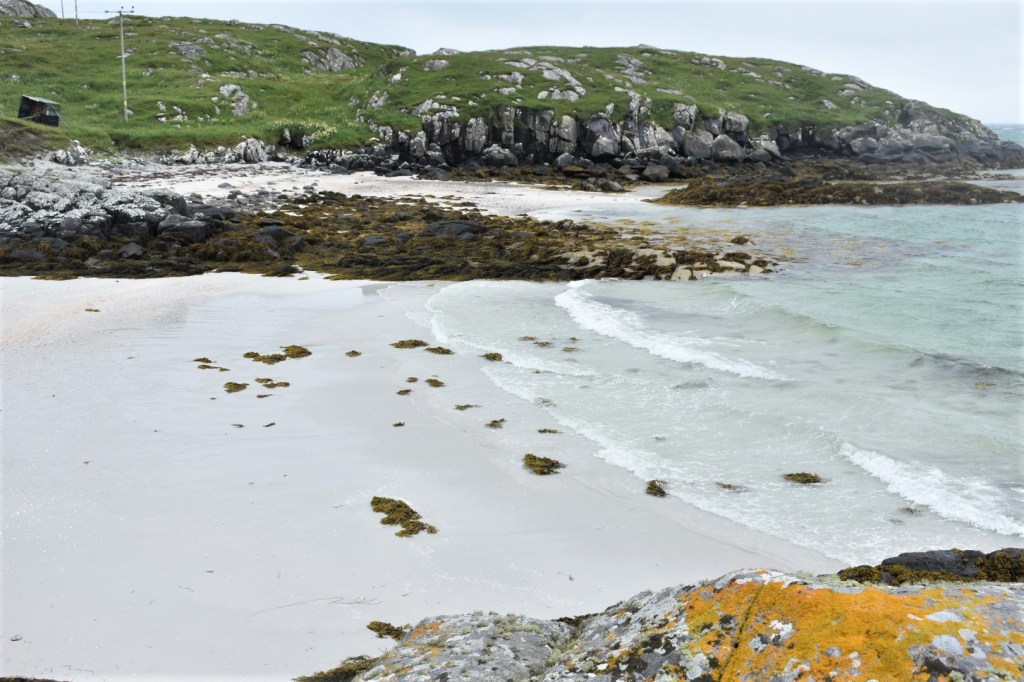
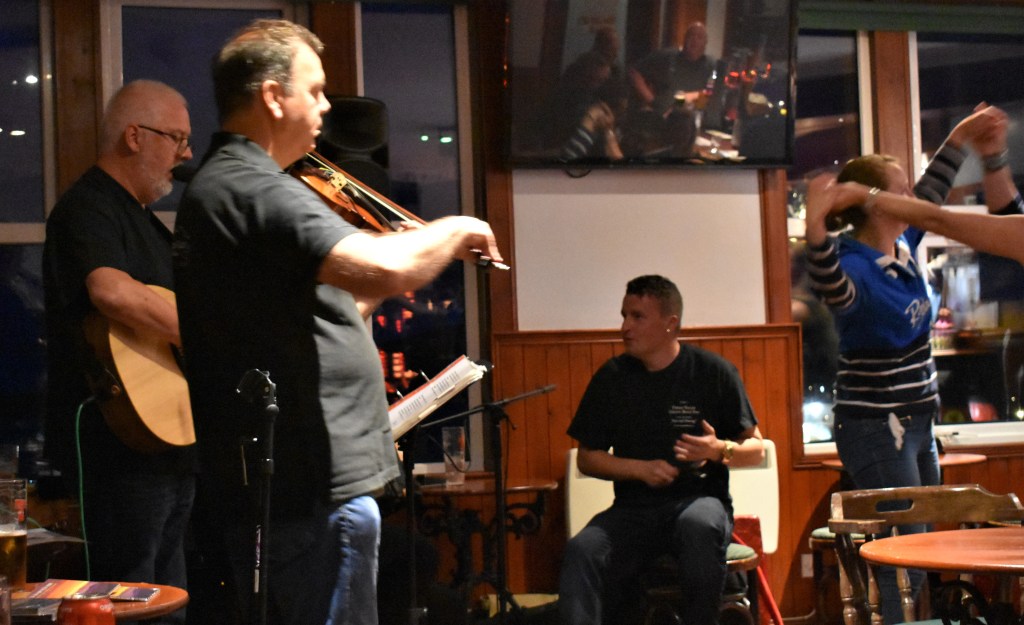
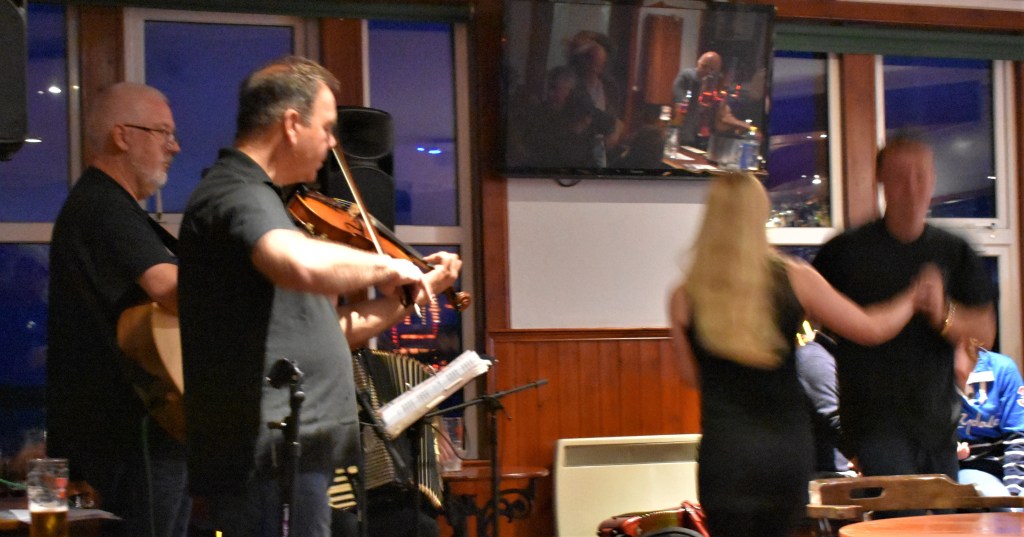
Unfortunately,  the weather turned shortly after we disembarked and it began to rain quite heavily.  We sadly decided not to venture on our walk and instead headed for the comfort of the modern Politician pub.  The pub is named in honour of a ship that was wrecked on local rocks. This shipwreck gave birth to the story for which the island is now most famous  The following is a short account of that story.
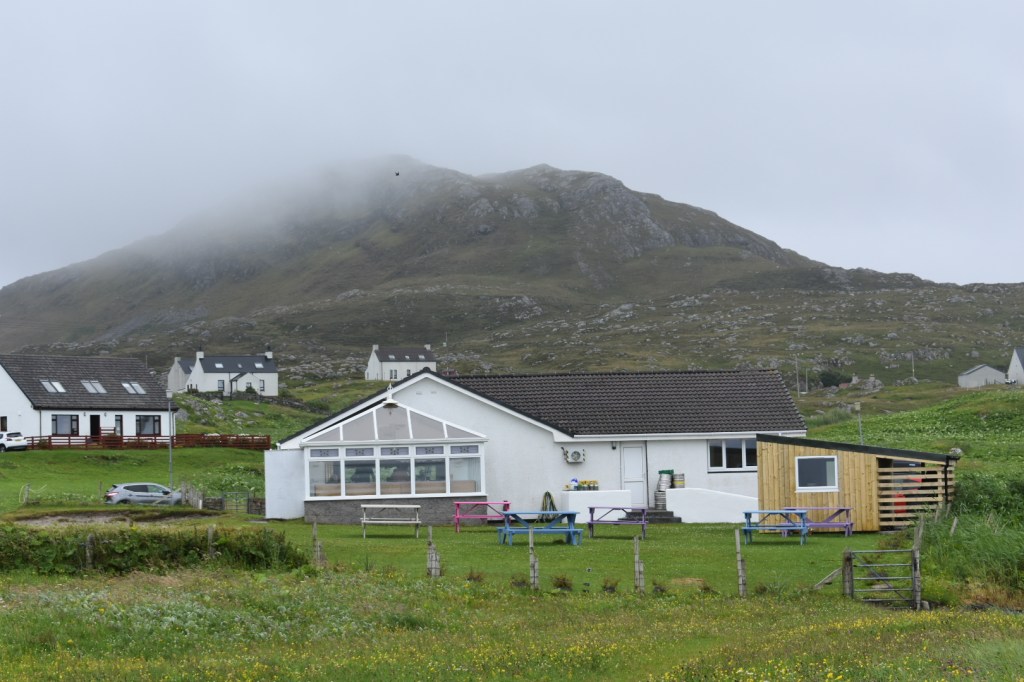
Politician pub

The SS Politician floundered on rocks in the Sound of Eriskay whilst sailing to America from Liverpool during the wartime Britain of 1941. It was loaded with 264,000 bottles of Scotch whisky. Of course, the good folk of Eriskay were very happy to have crates of their favourite drink wash up on their shores.  Unfortunately, the tax man was not so happy so the next few months saw a game of cat and mouse between Government officials and islanders who were intent on protecting their illegal liquid treasure. The 1949 film ‘Whisky Galore!” was based on this incident. However, the filming took place on the nearby island of Barra, not on Eriskay itself.  Here is a link to our blog on the island of Barra:  Barra-Southern-Gem

Perhaps of equal interest, but less well known, is that the SS Politician was also carrying  290,000 ten-shilling bank notes destined for the banks of Jamaica.  These bank notes would be worth several million pounds in today’s valuation. Within a few months of the shipwreck,  these notes began appearing in mainland British banks. Evidently, they did not all sink with the ship! The question is: what happened to all those ten-shilling notes?

We may never know: perhaps they should make a film about this too? 
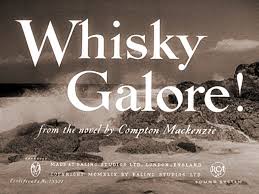
In preparation for our trip we thought we should watch the film. If you are in the UK you may still be able to watch the black and white 1949 film Whisky Galore! on BBC iplayer.  It made us chuckle and we would recommend you watch it.

There was a remake of the film in 2017 starring Eddie Izzard. We watched this too, but must admit to liking the black and white 1949 version best.
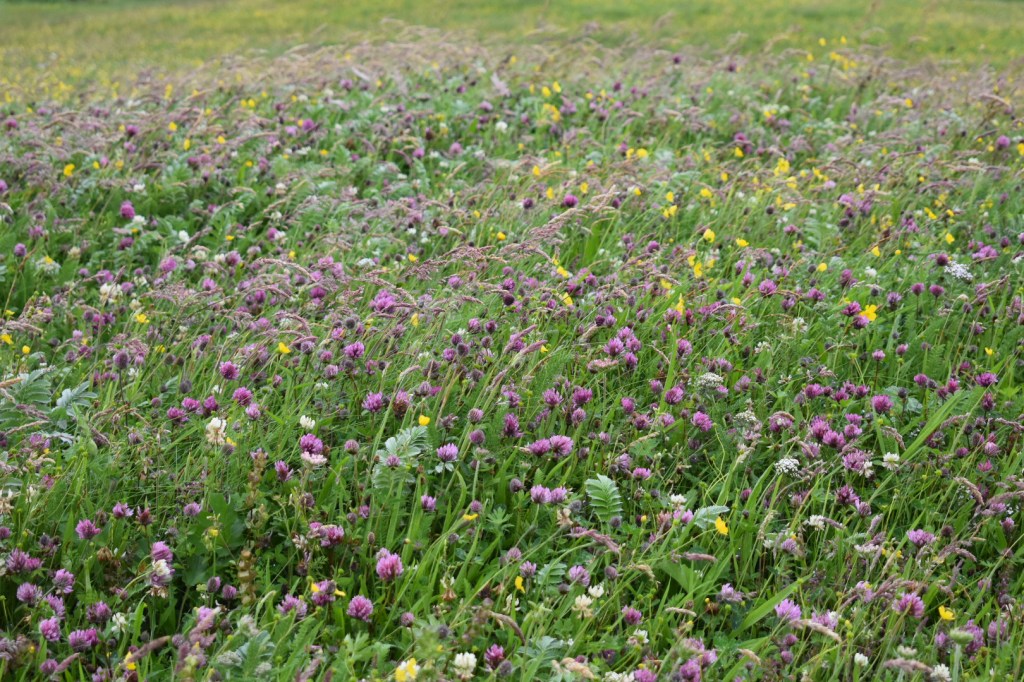
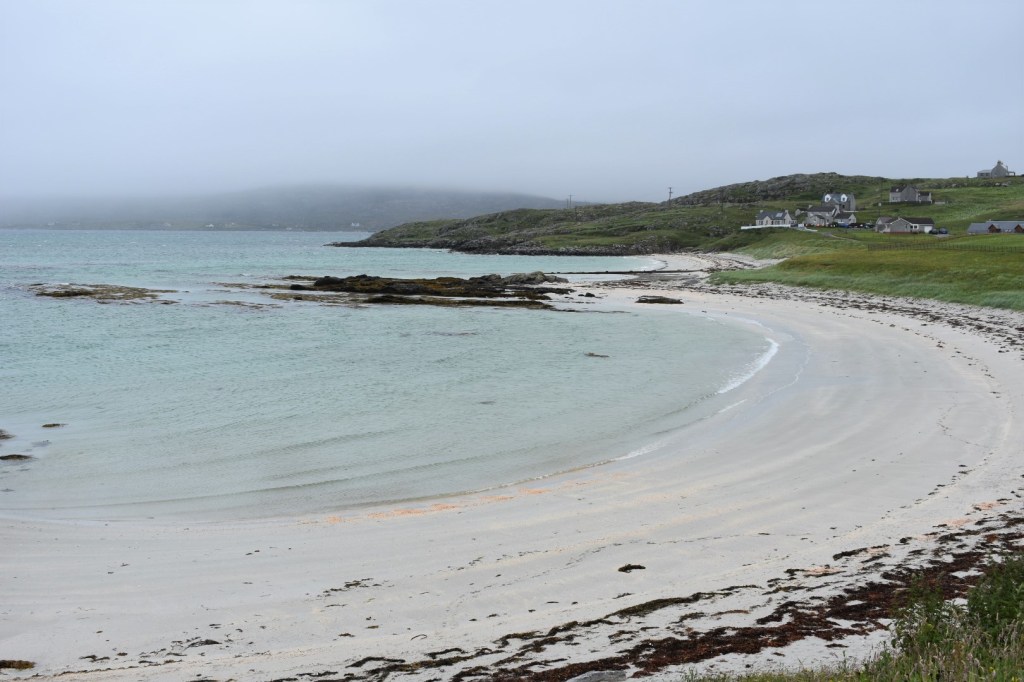
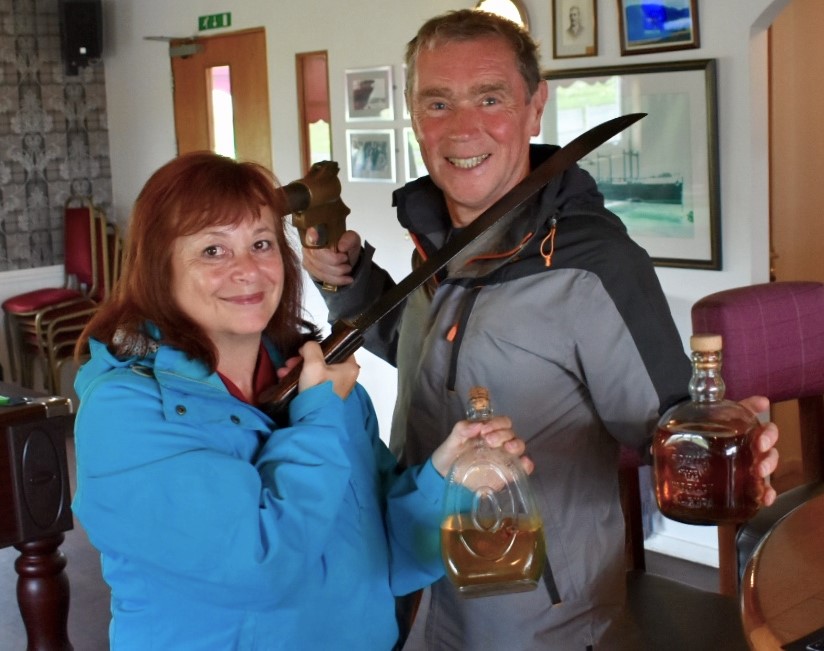
We had lunch in the Politician pub. The barman allowed us to hold some of the artifacts from the grounded ship.  The locals had fun with us suggesting we hold the sword and gun to each other’s heads whilst holding the whisky!
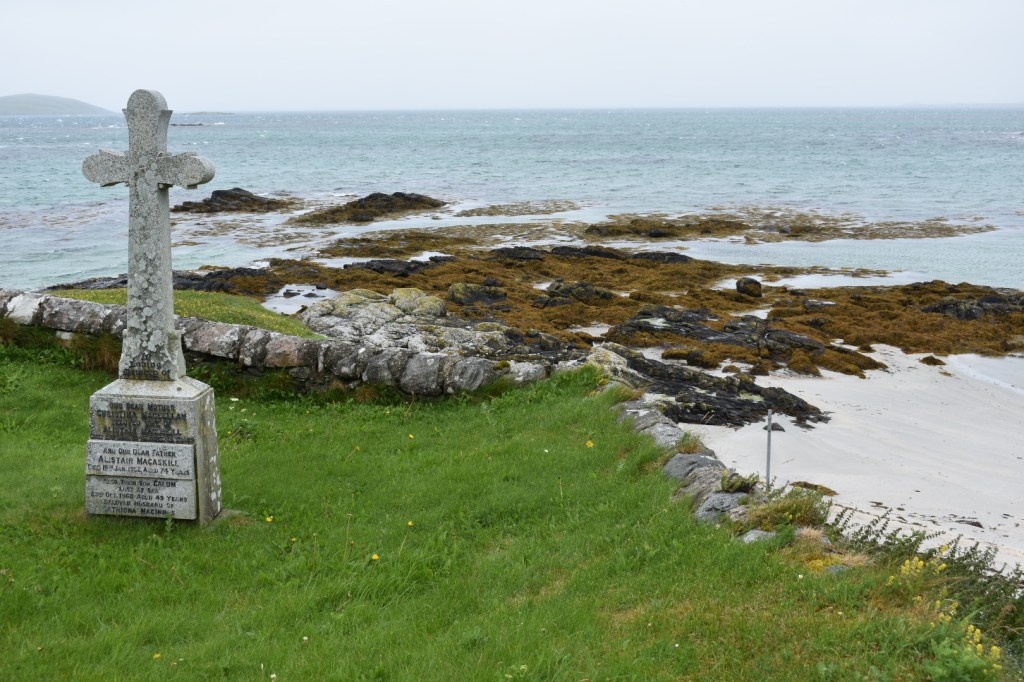
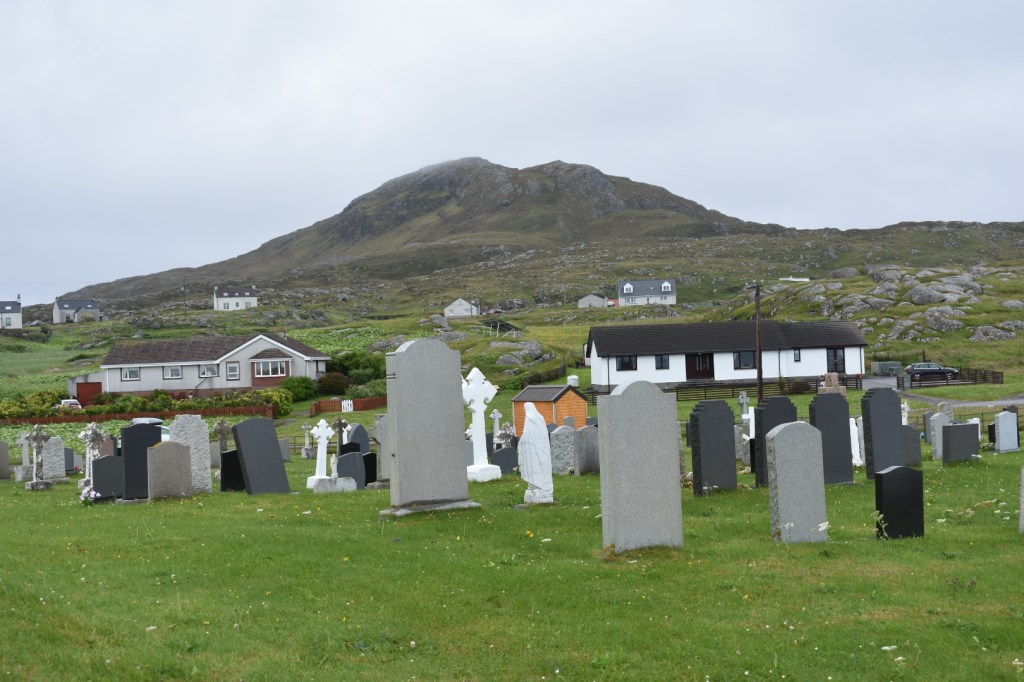
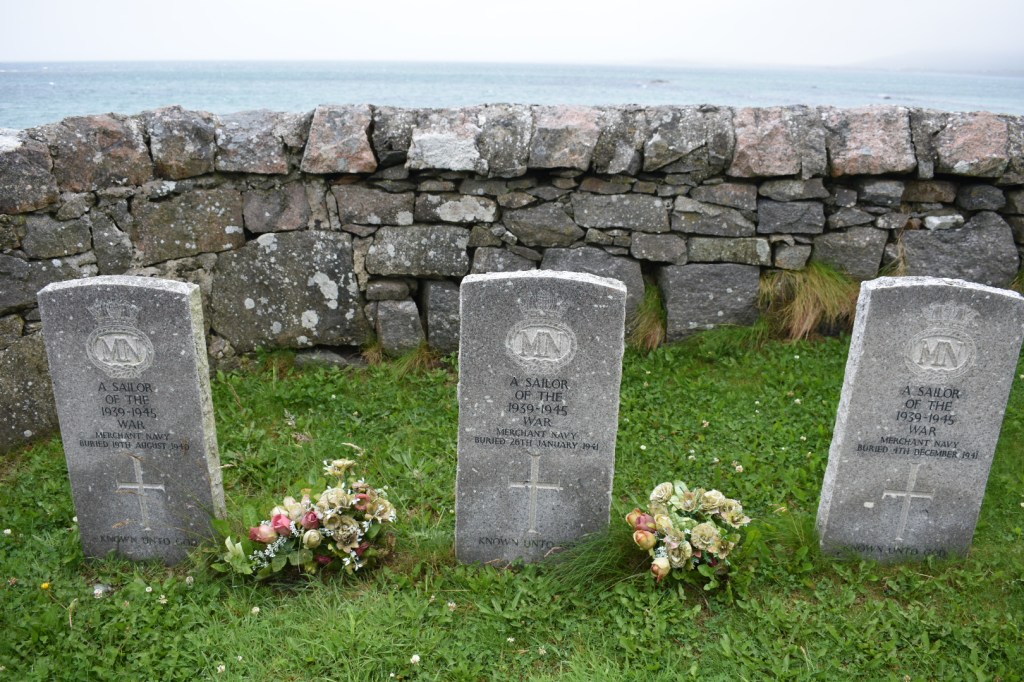
We also made a visit to the local cemetery.  Like so many Hebridean cemeteries, Eriskay’s cemetery contains the graves of sailors lost at sea during the world wars.   Such graves are poignant reminders of how much we owe to the brave people of the past for the freedom we enjoy today. The graves are immaculately kept and such cemeteries are worth visiting for their manicured beauty alone. They also offer moments of tranquil meditation and reflection.
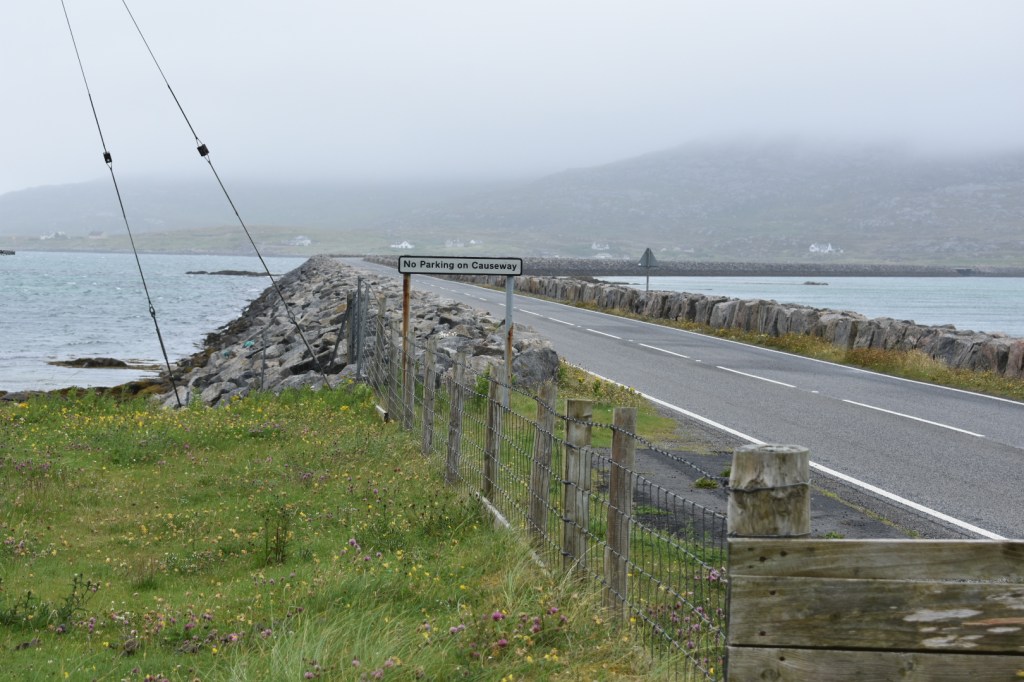
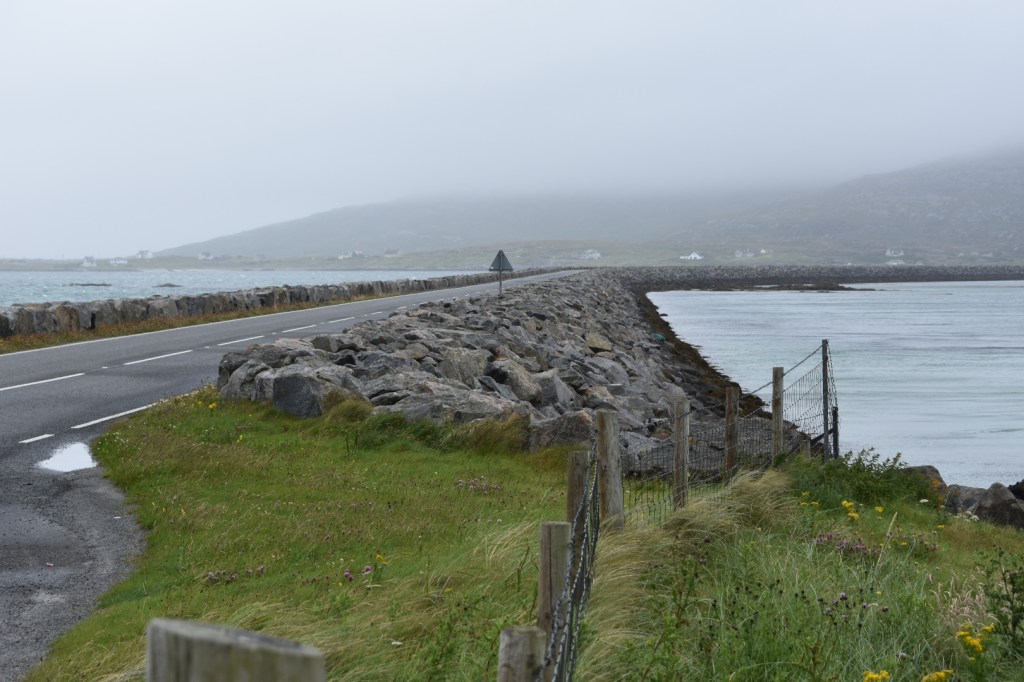
After our short tour of the island, we drove across the causeway to South Uist and the next stage in our journey.   You can read about this in our next blog. 
We would love to hear your thoughts in the comments section below. Please share with anyone you think may be interested. See you again soon!

Barra, the Southern Gem of the Western Isles

Barra is one of the small islands at the southern end of the Outer Hebrides archipelago.  There are two ways to travel to Barra: flying or by ferry. Those who choose to fly will experience the thrill of landing at Barra’s famous airport with its spectacular beach landing strip. Not being so adventurous, we decided to relax on the 6 hour ferry crossing from Oban on the mainland of Scotland.  The journey was a bit slower than normal as the regular ferry had been towed into dry dock for repairs, so our ferry was the slower replacement. It was a lovely journey and we met many interesting fellow travellers who we shared stories with. Quite a lot of these travellers were European cyclists who planned to cycle the 185 mile Hebridean Way.  This cycle route starts in the nearby island of Vatersay and runs all the way up to the Butt of Lewis. Our own travel route followed much of the Hebridean Way, but we, of course, weren’t pedalling all the way!   

Cyclists or general traveller, everyone aboard the ferry seemed armed with a camera and in the hunt to take a photograph of a passing seal, or dolphin.  Top prize was to snap one of large basking sharks that lounged around the local waters. We never saw any wildlife but a German visitor managed to take a picture of a solitary shark who quietly glided past the ferry.  The seas around the Hebrides are rich in marine life and it is one of the pleasures of travelling by ferry that one has the chance to see some nature’s most wonderful creatures.

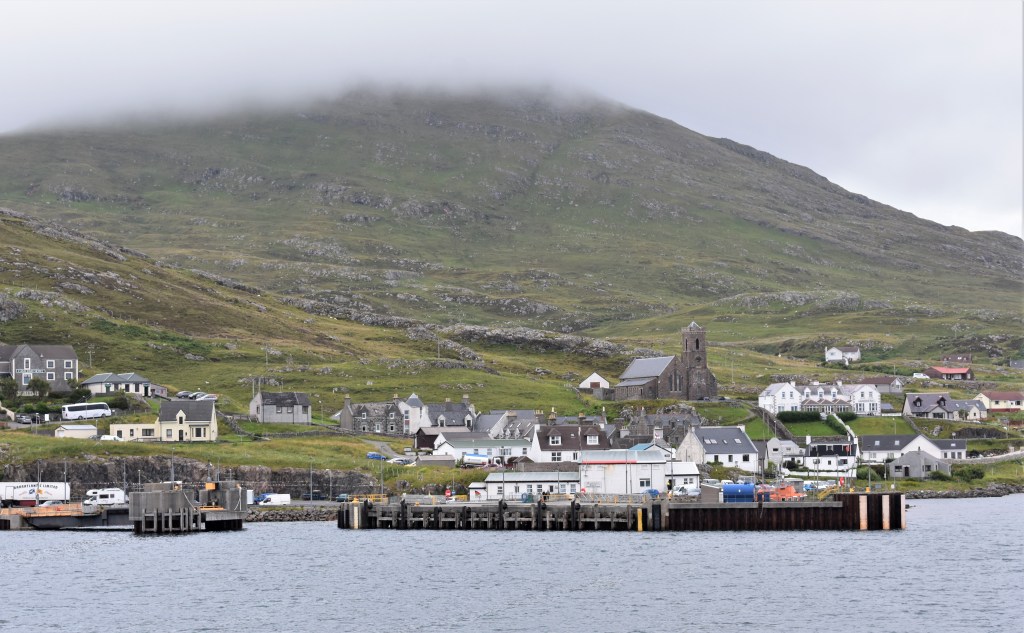
We arrived at about 8.30 pm, in the small port town of Castlebay.  Being so small, it didn’t take long to walk around the town. The Community Hall/shop is the nerve centre of the town, if not the island.  Managed by local volunteers and situated at the top of the harbour, friendly staff provide tea, simple snacks and give information to newly arrived visitors.  It was here that we learnt that it is not only the buses that do operate on Sundays, but most other services stop as well. For people used to a 24/7 lifestyle this is quite a shock. Here though, we learnt the great secret of the Hebrides: the Co-op does not shut on Sunday!  Needless to say, the Co-op is extremely busy on the Sabbath.

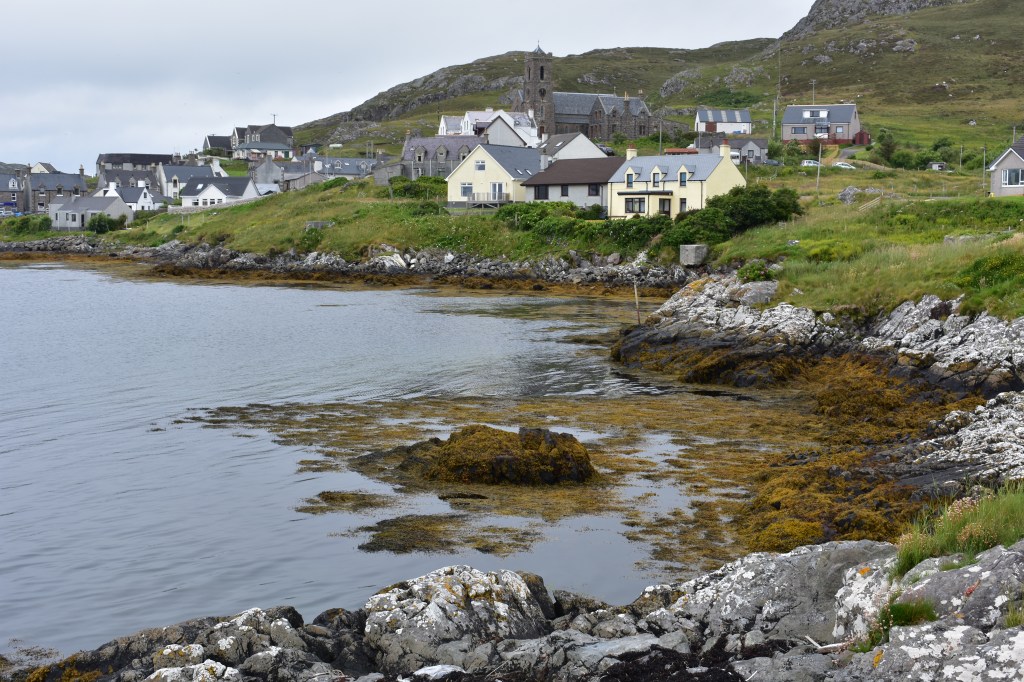
Castlebay is dominated by the towering presence of its Catholic church, Our Lady Star of the Sea.  Barra, like its island neighbour Vatersay, is proud of its Catholic tradition and islanders are equally proud of their church only built in the 1890’s.  The church is worth a visit as is the statue of the Madonna and Child which has stood on the hillside since 1954. Though we visited the church we were not able to visit the statue: we couldn’t even see the statue as it was shrouded in mist for our visit.  A must for next time.

There are two bars in Castlebay and so two bars from which to choose your evening’s entertainment.  We were delighted to find a great Ceilidh band playing in the Castlebay Hotel’s public bar. There were a number of tourists in the bar, but locals were there too, all enjoying the music and singing along.

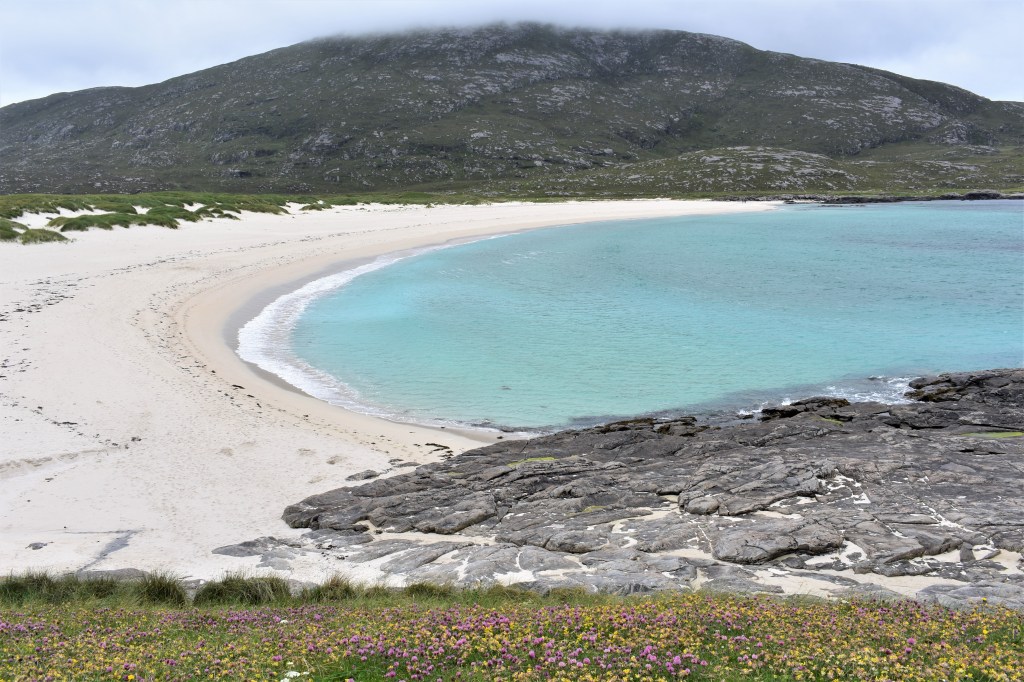
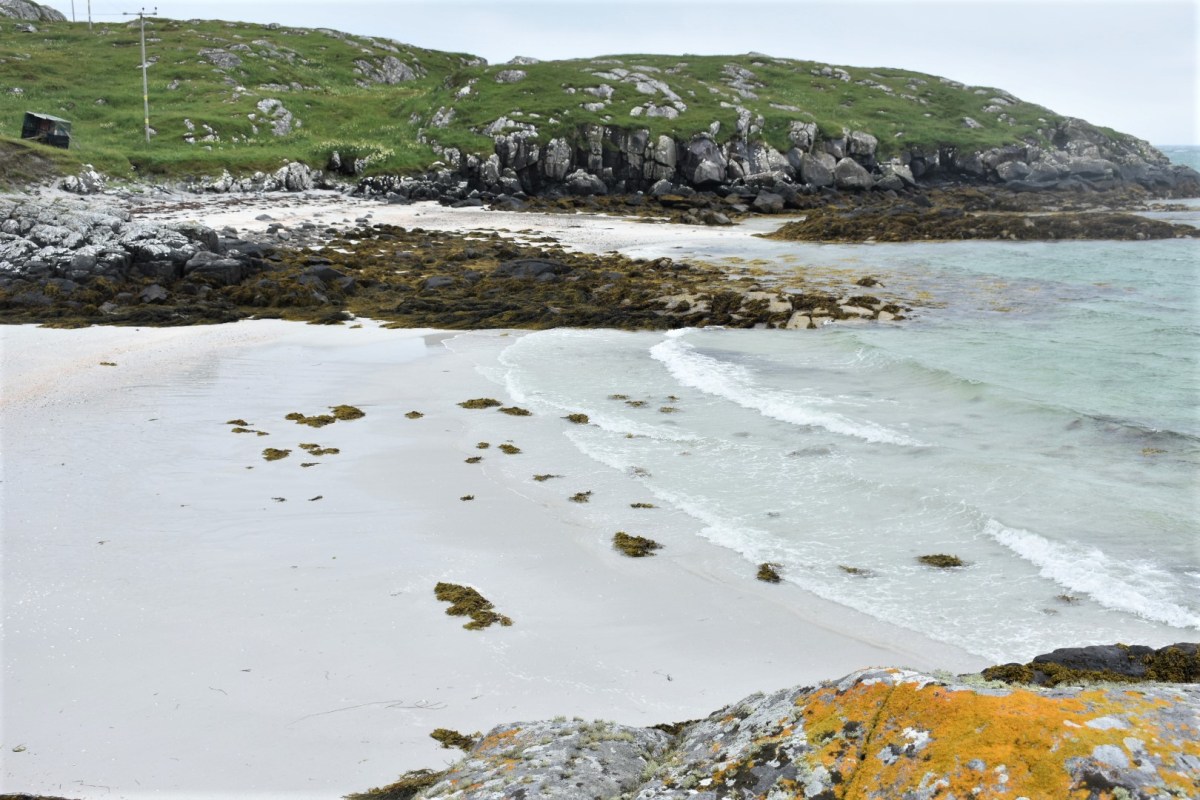
We stayed in a delightful B&B in Castlebay, only a few minutes walk from the ferry terminal.  During this part of our holiday we were using public transport. Our first full day was a Sunday so  there were no buses running, Being only 14 miles in circumference, you can walk to most places in Barra so transport isn’t a necessity.   In wet weather though, it nice to escape the elements. In the morning we walked along the quiet coastal road to the beautiful beach of Tangasdale.  Tangasdale beach has brilliant white sand which is washed by a beautiful blue sea. It is one of those beaches which is actually better than the brochure photo.   Close by the beach is the Barra Hotel which is open to the general public. We were greeted by friendly staff and enjoyed the hotel’s great views with our post walk refreshments.

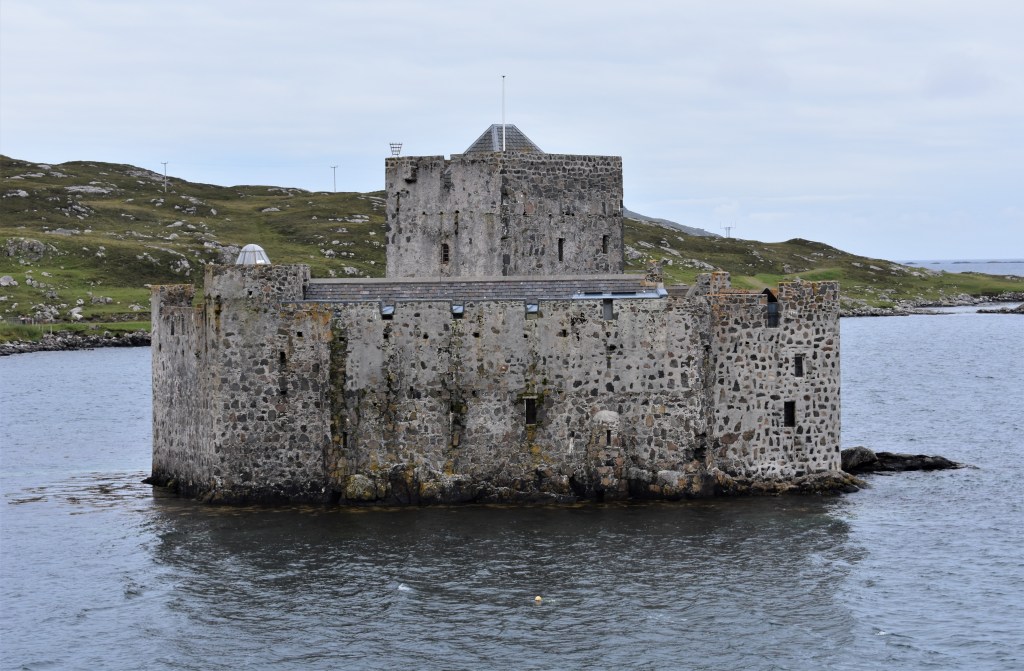
We only had one full day to spend on the island, so we had to make the most of it.  As we could see Kisimul Castle from our accommodation and had passed very close to it on the ferry, we decided not to visit it.    Had we had more time we would have made the short boat trip to the castle. Instead, in the afternoon we did another walk around Castlebay.  We don’t play golf, but if you do, you may like to play a round of golf on the most westerly golf course in the United Kingdom in stunning scenery. Some other popular activities on the island include kayaking, sailing and fishing. Certainly enough activities to keep you occupied whilst on holiday.

On Sunday evening we found out that there was a family Ceildhi in the community centre.  It was packed full of people from all over the island along with outside visitors. In the pub there was some impromptu entertainment from a member of the Vatersay Boys band.  He’s a local musician (Vatersay is joined to Barra by a causeway) and is sometimes to be found in the pub entertaining all and sundry with his accordian. The locals in Barra know how to entertain themselves!

On Monday, we left on our bus trip to the other side of the island to catch our next ferry to the island of Eriskay. It was raining and very windy, but luckily the ferry was still running. 

Beware: sometimes ferries have to be cancelled due to strong winds. Travellers should keep a check on weather reports and the Calmac Ferries website to ensure sailings are on schedule. A sudden storm can disrupt the best planned travel arrangements.  We would strongly recommend any traveller going by campervan, car or even with a bicycle, to reserve their crossing booking well in advance of their planned trip.  In the summer months the ferries can be full and so some visitors are disappointed by not being able to travel due to lack of available space.

Whisky Galore

The 1949 Ealing comedy about the SS. Politician which ran aground on rocks near the island of Eriskay, was actually filmed in Barra, not Eriskay.  Keen observers will spot Kisimul Castle in many of the shots! The ship was laden with whisky and locals managed to help themselves to crates of their favourite drink before the ship sank.  We watched the 1949 black and white classic before we started our journey and it is still a great movie despite its age, better, in our opinion, than the 2017 remake. We bumped into a local man on our walk who told us that his mother was in the original film.  Look out for our next blog on Eriskay for more information!

History of Barra

Barra has a long a complex history which saw Nordic, Irish and Scottish influences at various times dominating the culture and politics of the island.  

Up to the year 1266 the island was still a part of the Kingdom of Norway and in 1427 it was incorporated into the lands of the Lords of the Isles.  Barra kept its Catholic tradition during the Reformation in contrast to the more northerly Hebridean islands which adopted the Presbyterian version of Protestantism. 

The island’s population suffered greatly in the 19th century with first the potato famine of 1845-46 and then the “Clearances” which saw crofters forced off their ancient lands to make way for sheep farming.  The decline in the Herring fishing industry after the Great War ruined the local economy. Many islanders emigrated so de-population became a tragic feature of the island up to the 1960s. In recent years the island’s economy has improved and the island’s population has started to grow again.  Barra now accepts immigrants from around the world, even from far off England! The new arrivals have helped form a rich blend of diverse traditions and so helped to create the unique identity which is Barra today. 

The naming of the island of Barra is a matter of historical debate.  The Scottish tradition is that the island was named after a Scottish monk called St. Barr, who brought Christianity to the island in 620 AD.  The Irish tradition is that St. Barr was actually an Irish monk and it is more correct to call him St. Finbarr. The Irish narrative is that St. Finbarr settled in the Cork area of southern Ireland and the Irish now regard him as the patron saint of Cork. St. Barr or St. Finbarr, you, as the reader, must make your own choice.

If you would like to read further about Barra’s fascinating history then an excellent short account can be read at the link below.

Reference: http://www.isleofbarra.com/cillebharra.htm

Running in Barra

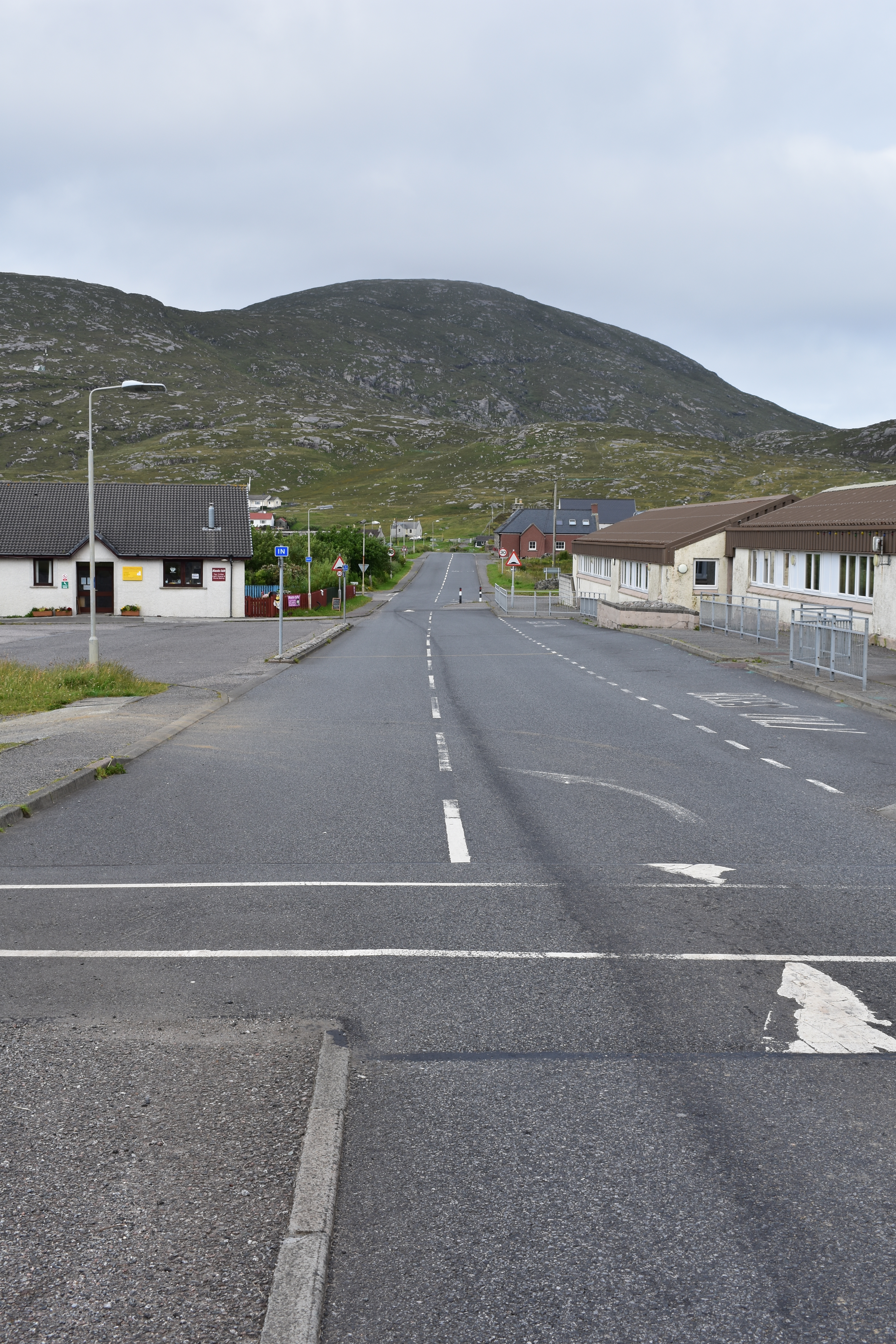
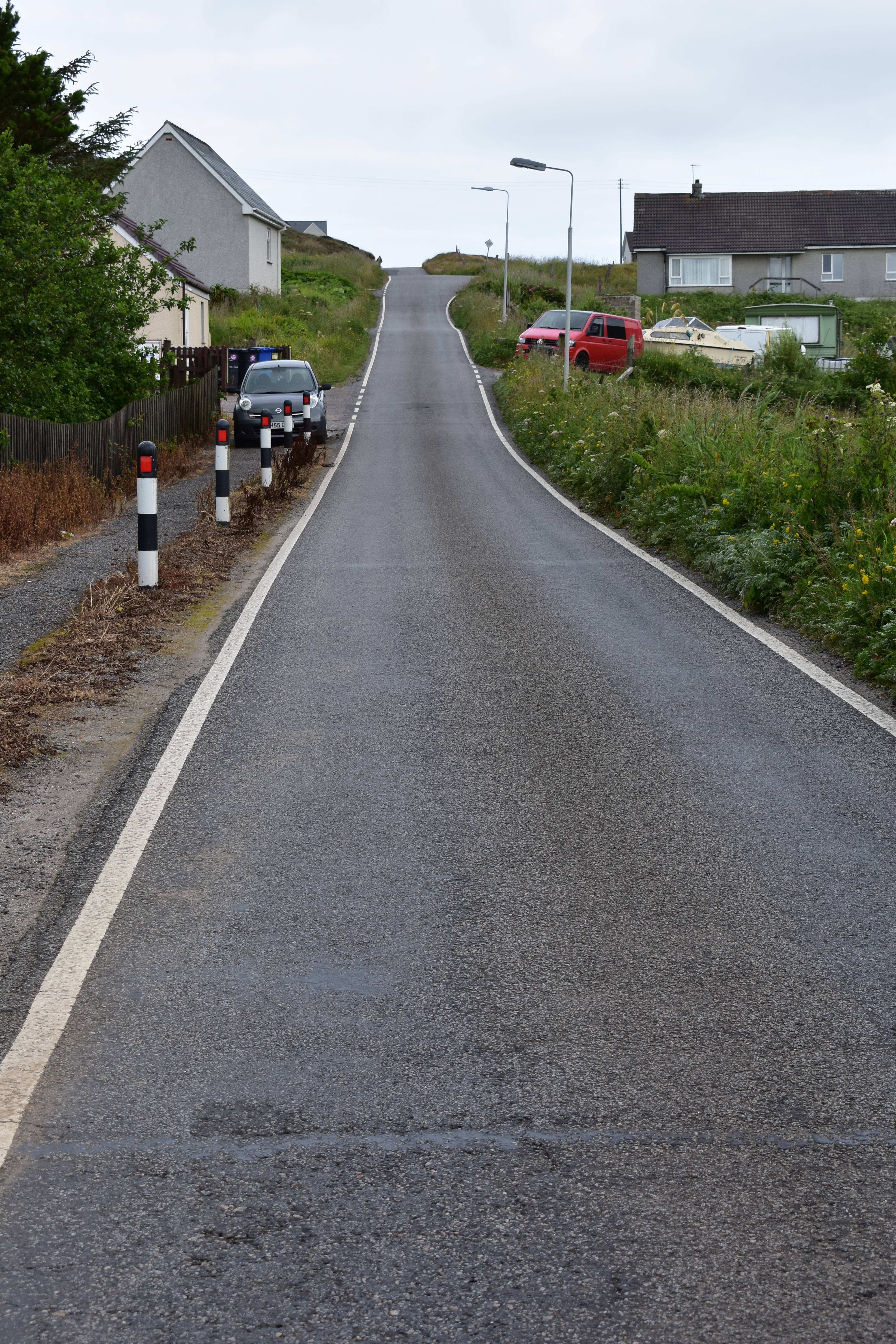
If you are used to running over hills, then Barra is the place for you.  The roads are quiet, but there are not many pavements across the island to run on as you can see in the photos below.

There is a scenic half marathon each June called the Barrathon.  It’s extremely popular and sells out within minutes of going on sale, so you must be quick if you want to enter.  Click here for more details https://www.barrathon.org.uk/  The site includes a time lapse video so you can view the whole course. 

Look out for our next blog when we explore Eriskay and some of the other islands.

We would love to hear your thoughts in the comments section below. Please share with anyone you think may be interested. See you again soon!