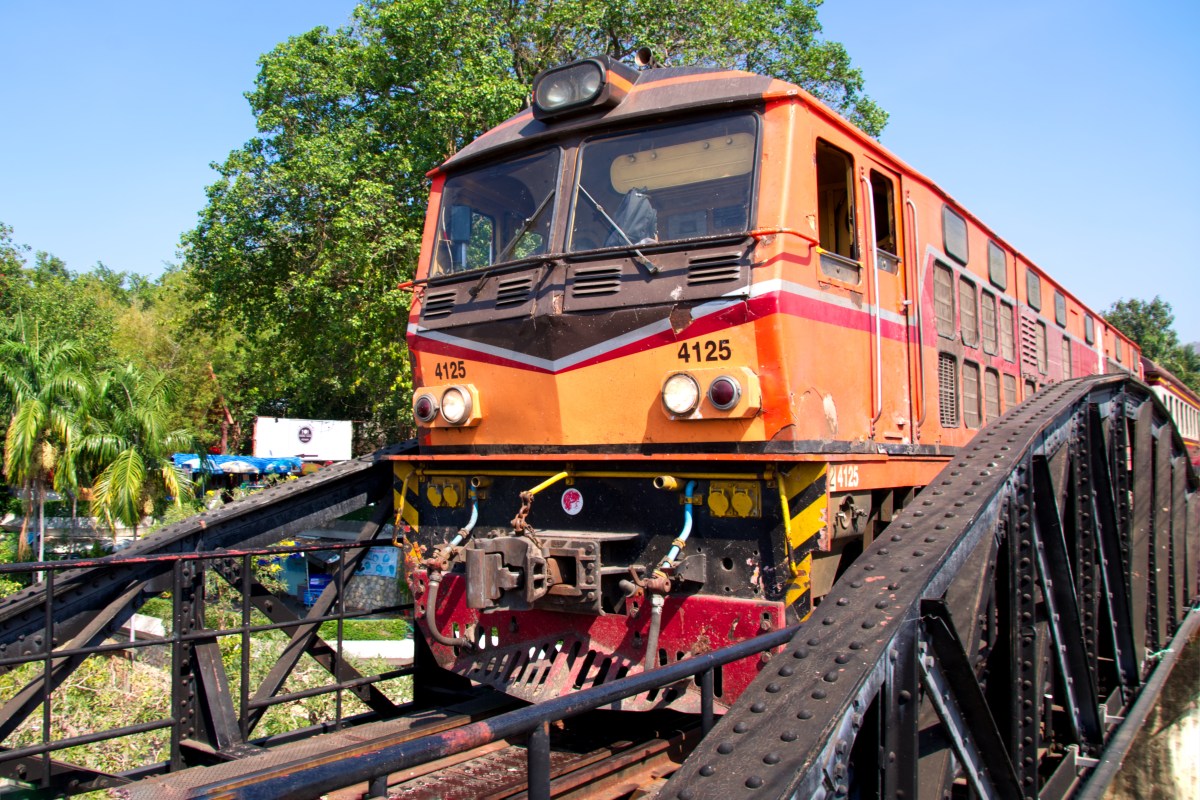
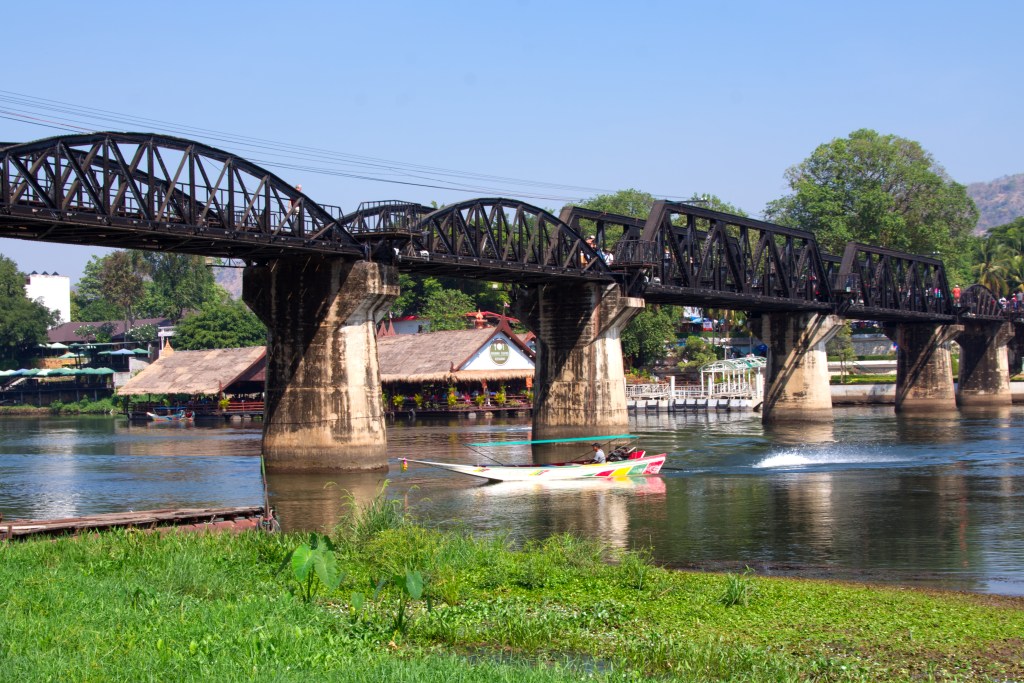
Kanchanaburi is the beautiful town made famous by the classic 1957 movie, Bridge on the River Kwai. It’s still a brilliant film which has aged well with time. The film was based on a true World War 2 event: the building of a railway bridge by Allied prisoners when they were held captive by the Japanese. Anyone going to Thailand should consider visiting the town, to see the bridge itself, the many moving memorials dedicated to those who died building the bridge, and to simply enjoy the area’s tranquil, natural beauty. Of all of Thailand’s many tourist spots, this is the one you should not miss.
There are many Bridge over the River Kwai tours available in Bangkok. We chose independent travel and took the 7.45 am train to Kanchanaburi from Bangkok’s Thonburi station. It is a leisurely two and half hours journey which passes through some of Thailand’s most fertile countryside. At just 100 baht each way it’s excellent value.
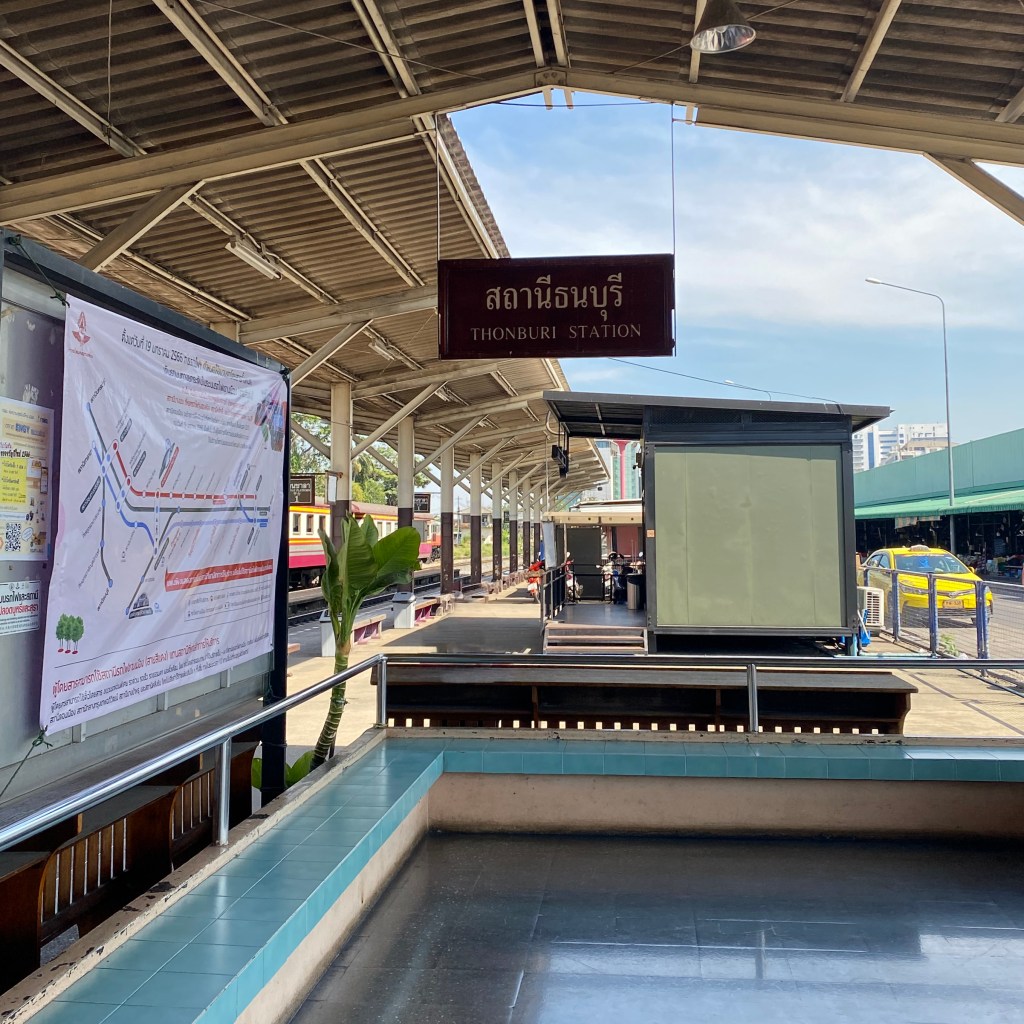
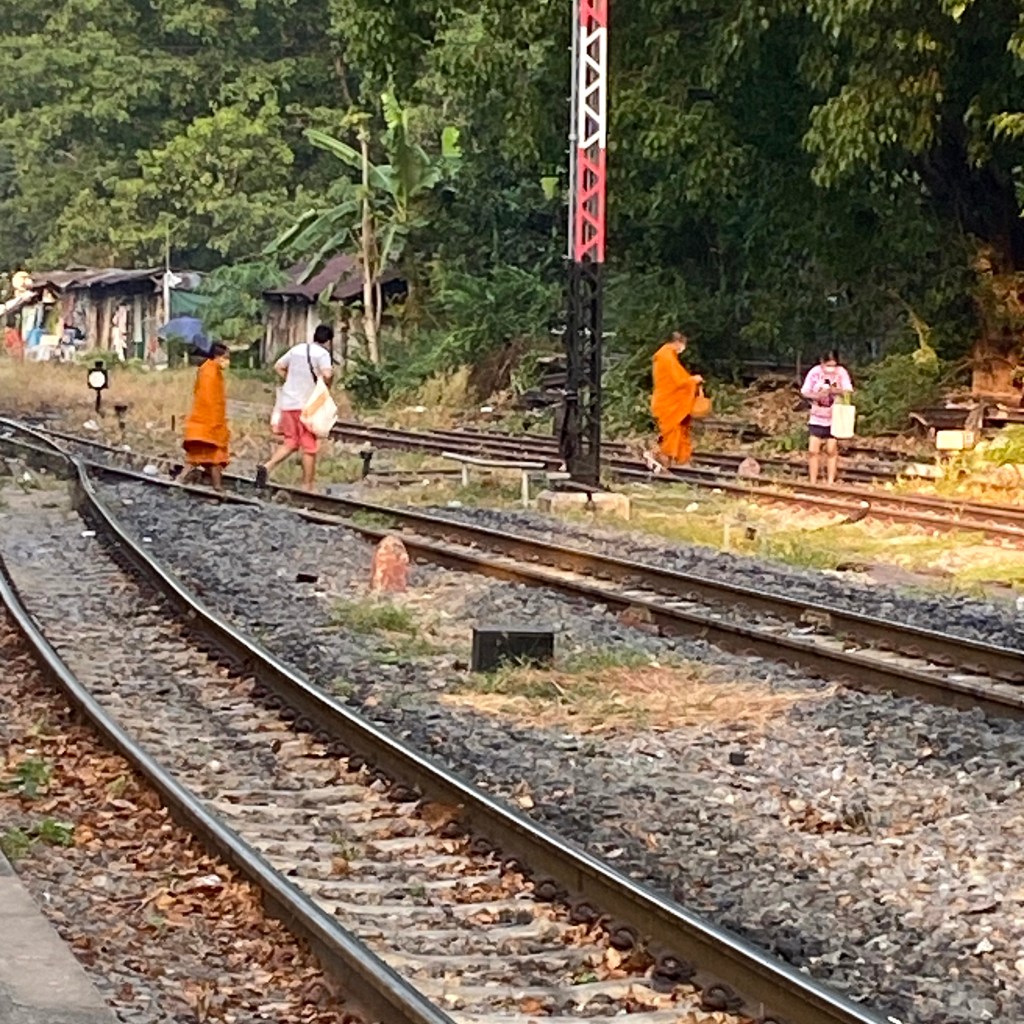
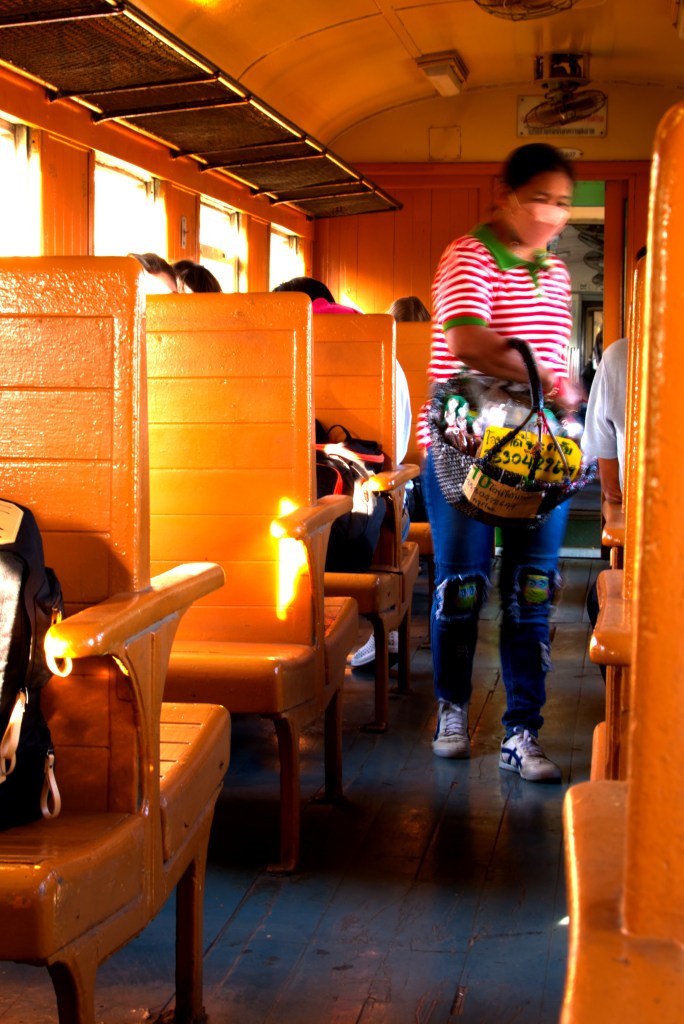
On board the train we sat on wooden seats. The windows open all the way down so that you can lean out and take photos if you wish. Vendors join the train at various points to sell snacks and drinks. It all adds to the day’s sense of adventure.
The train stops just before the bridge to let passengers and tourists off to take photos. Photographs having been taken, those that wish to, can realight the train. With its passengers back on board, the train then begins a very, very slow crossing, enabling people standing on the bridge to take photos as the train passes only inches away. We got some great photos at this moment. The train then proceeds on its journey towards Nam Tok and the stunning Erewan waterfalls. If you decide to get off at the bridge, then you will have a few hours to explore the area, visit the war museum and cemetery, before catching the train on the return journey to Bangkok. This is what we did.
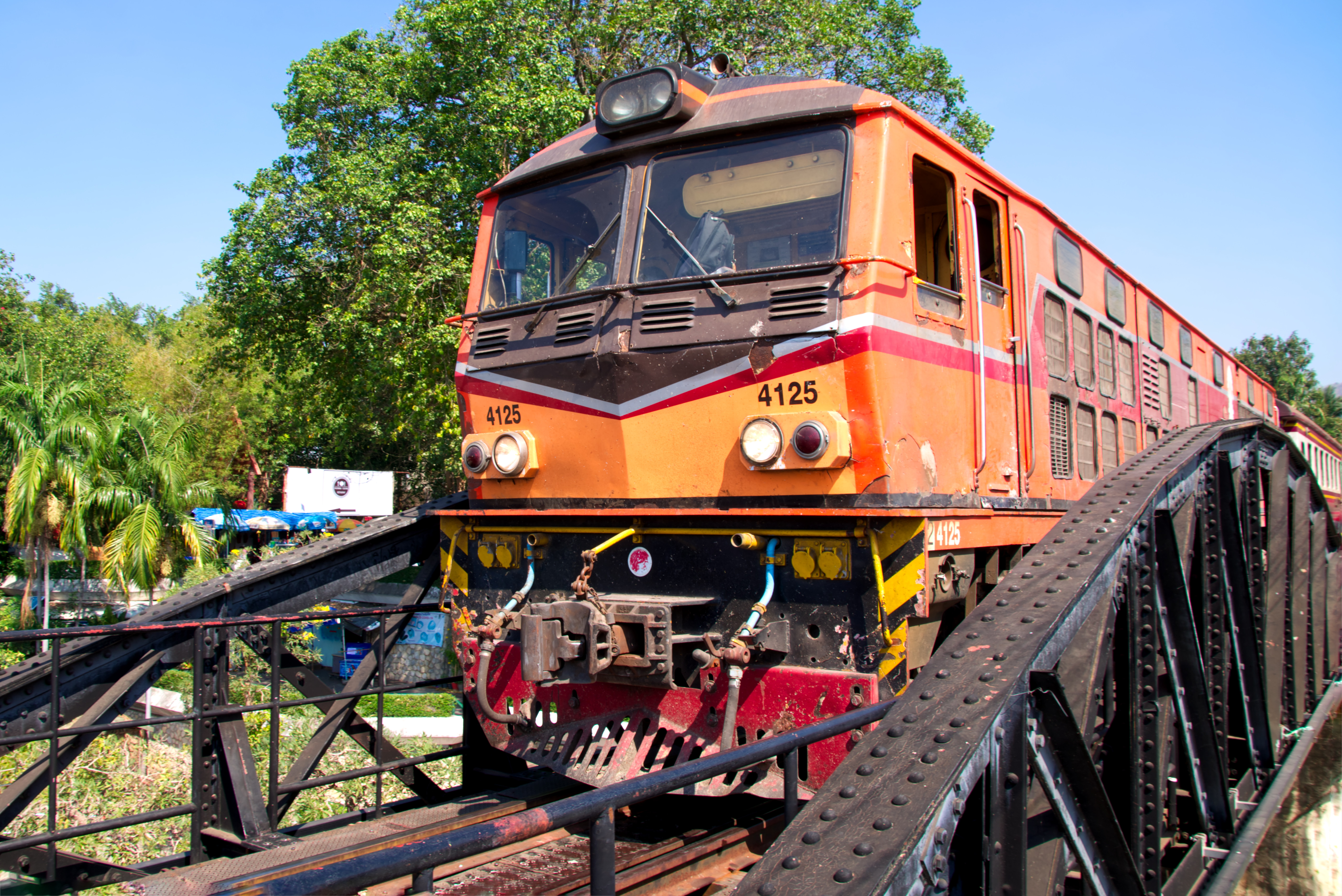
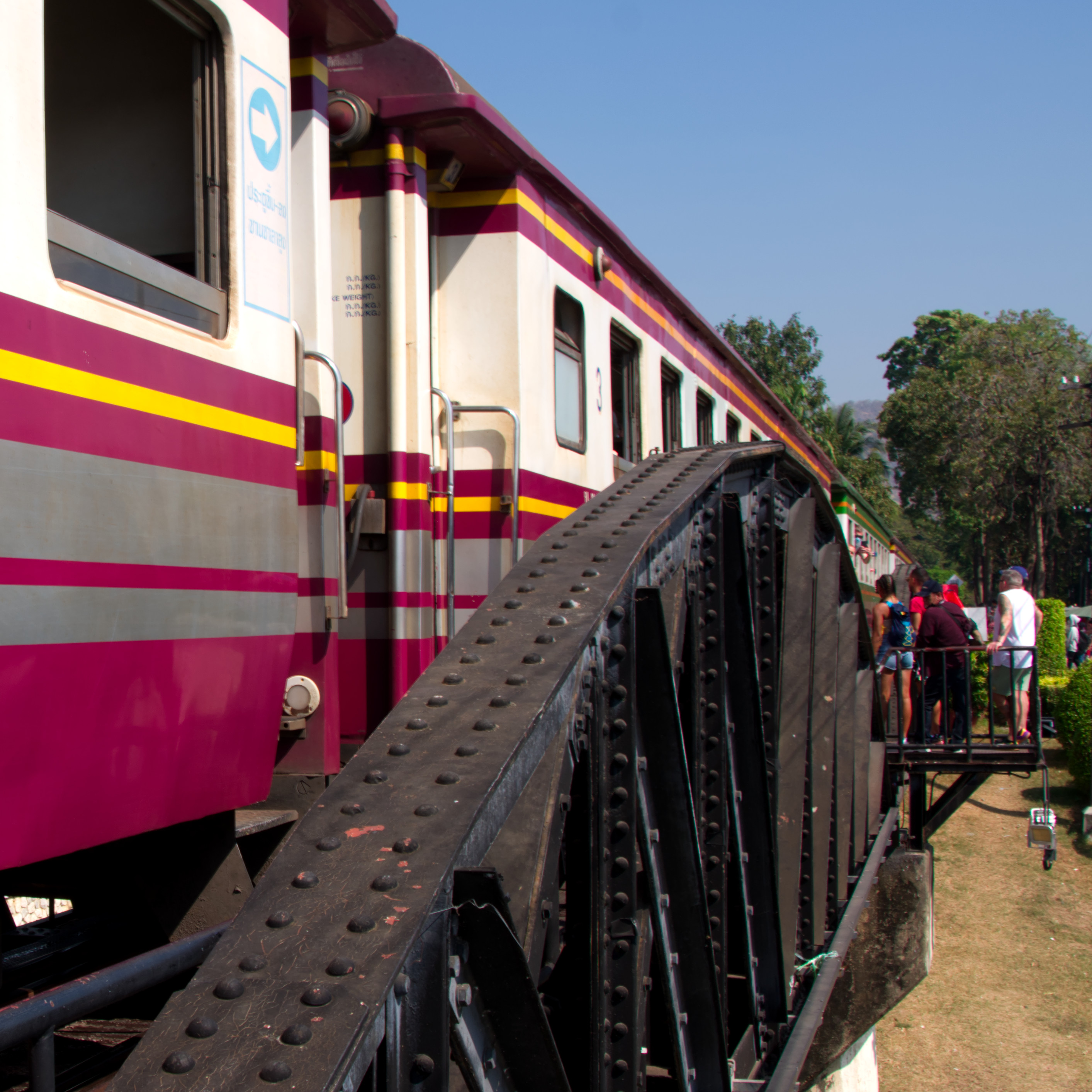
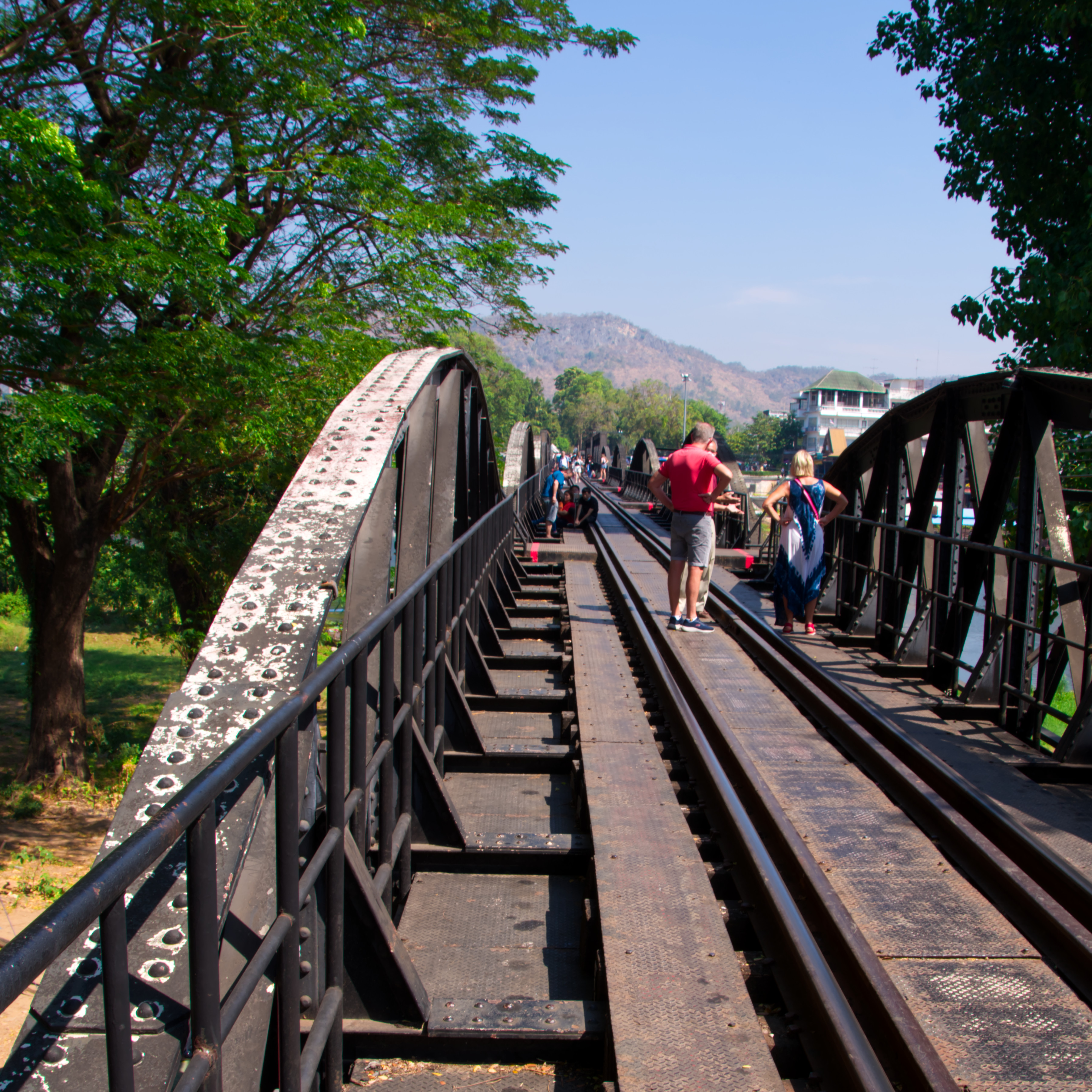
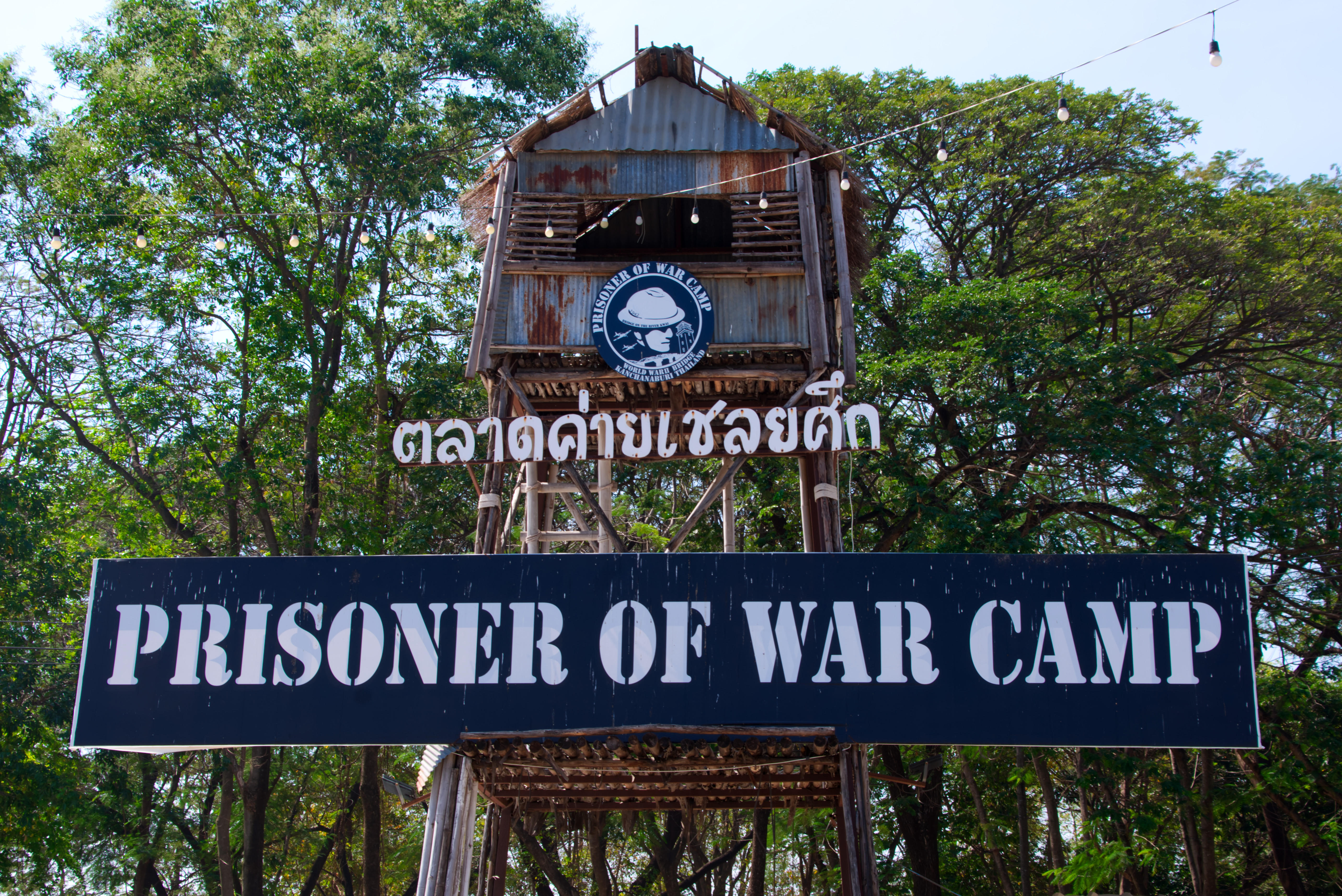
The beautiful Buddhist shrine to the Goddess of Mercy, the Guam Im Sutham Temple, is visible from the bridge and only a couple of hundred metres walk away. Definitely worth a visit.

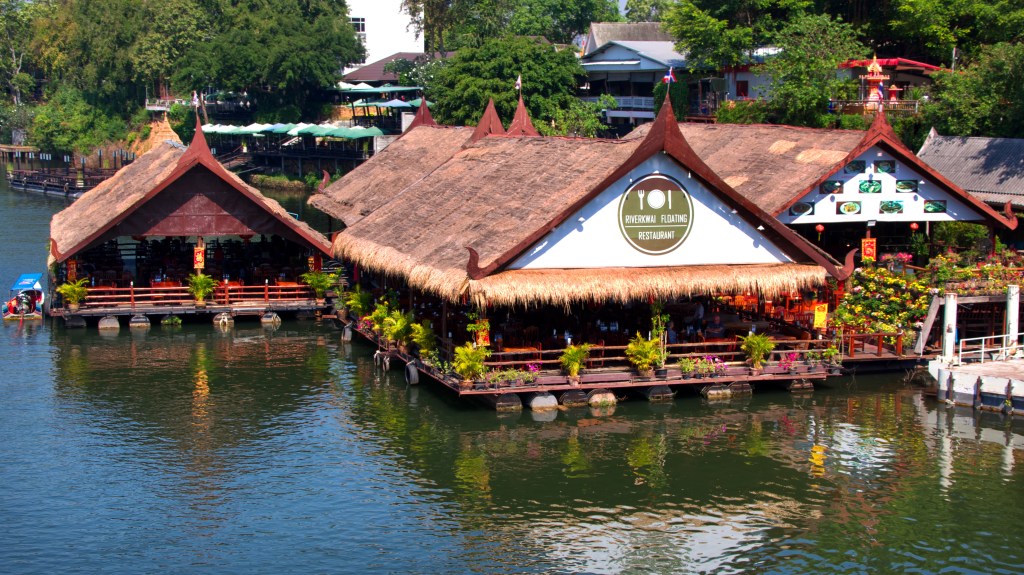
There are a number of restaurants nearby where you can have some lunch and enjoy the riverside views. We ate a Thai curry washed down with an iced coffee at the floating River Kwai restaurant. Delicious.
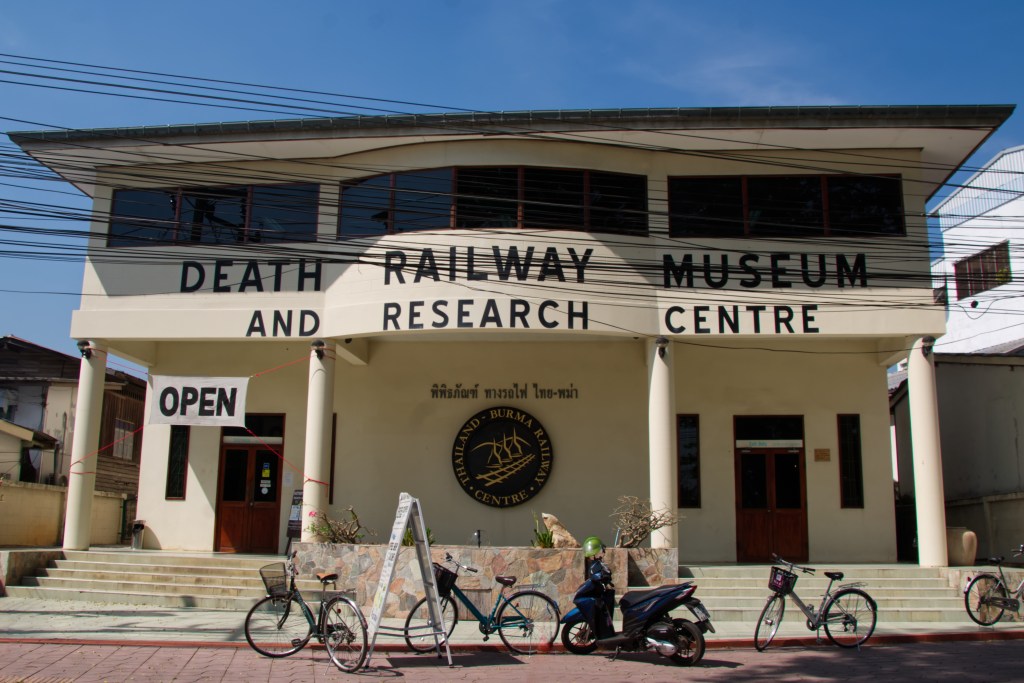
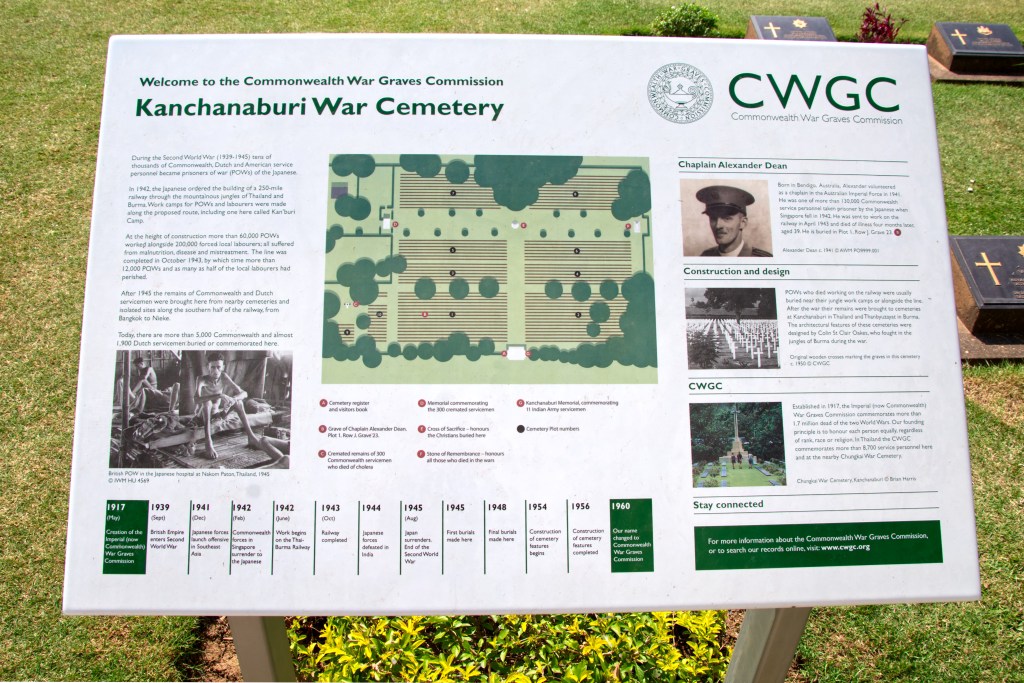
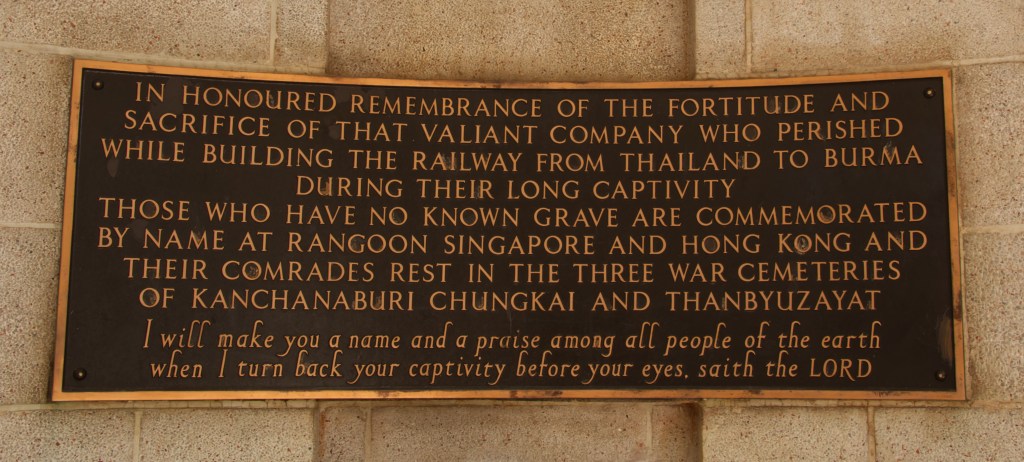
We then hired a tuk-tuk costing 100 baht for the short ride to the: Death Railway Museum and the Commonwealth War Graves Cemetery. Even though the world war ended over 70 years ago, looking at the exhibits in the museum was a powerful, emotional experience. The photos here show just a little of what you can see at the museum.
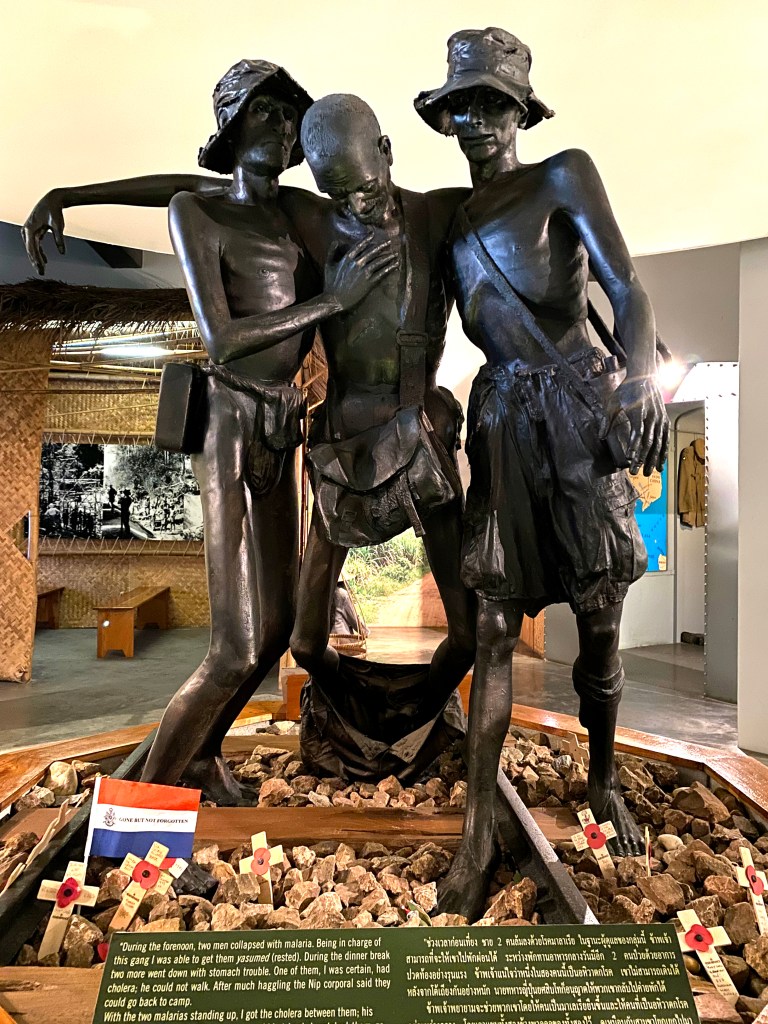
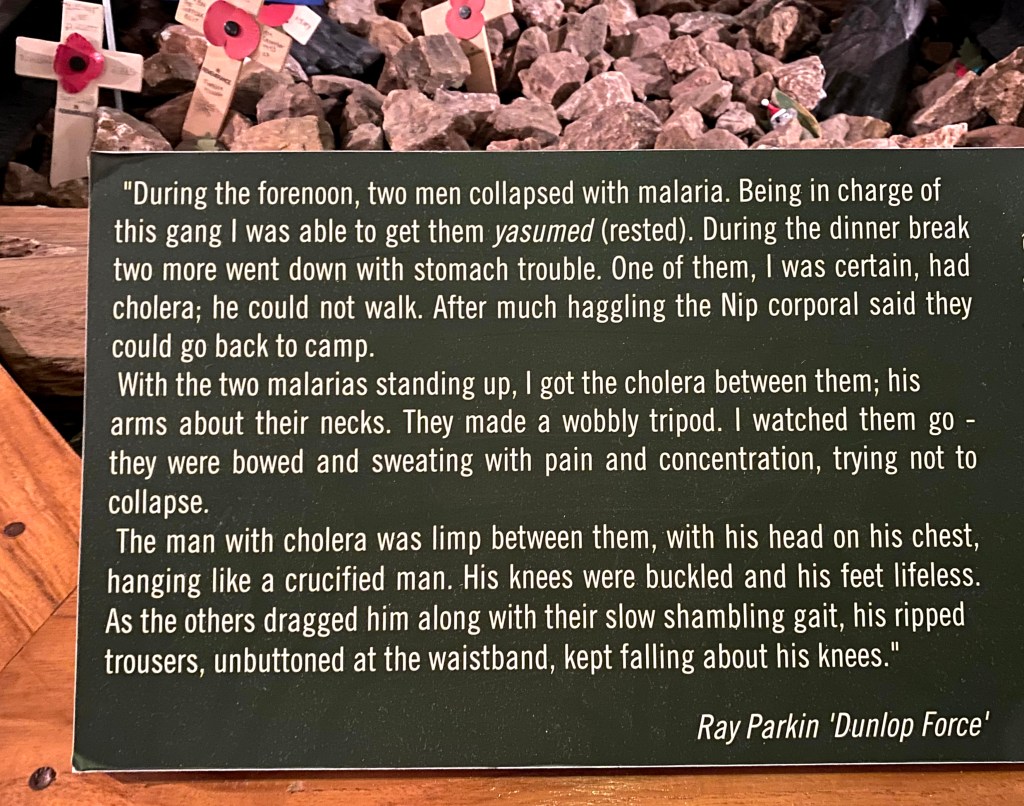
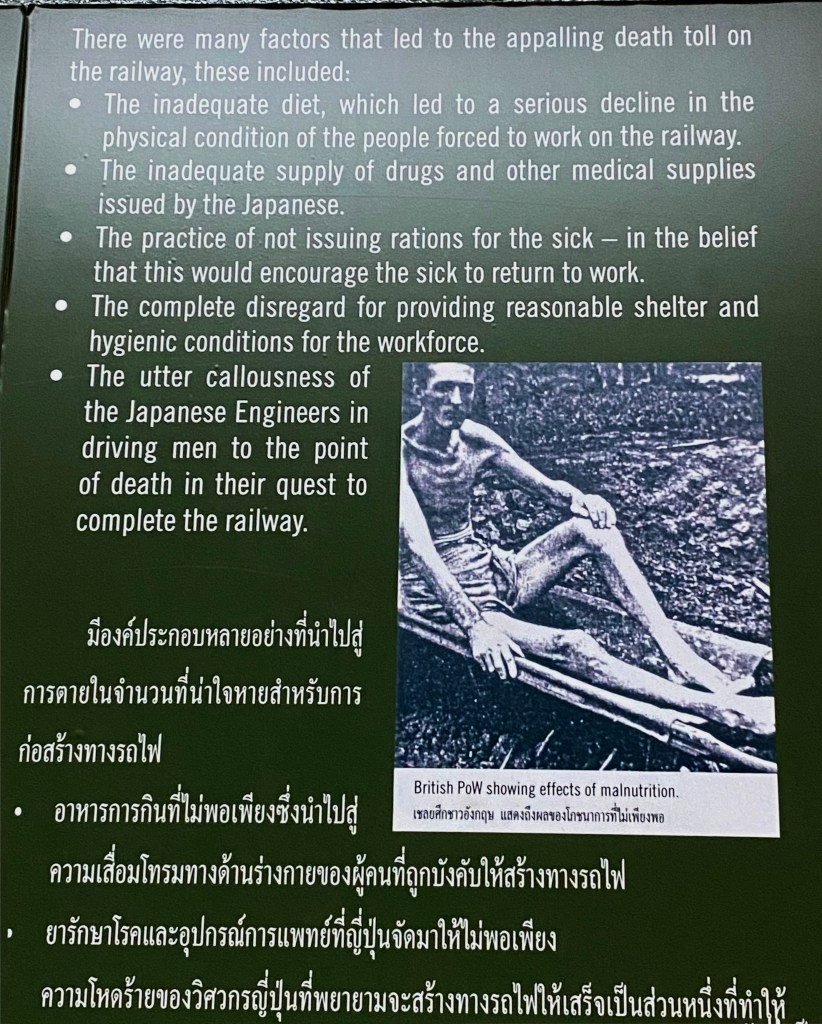
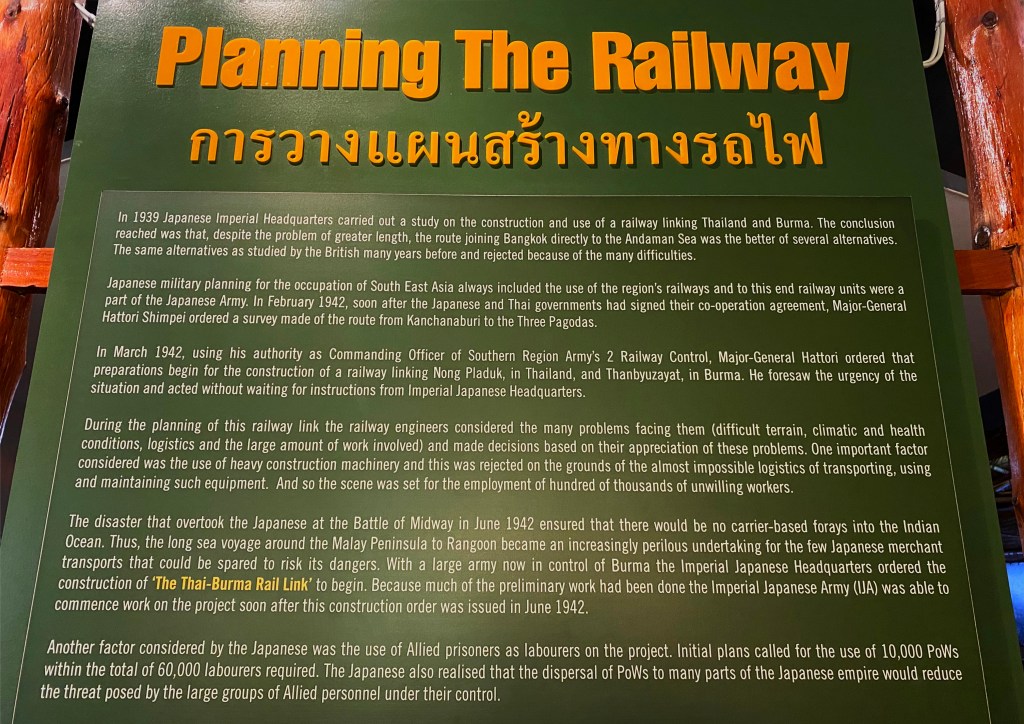
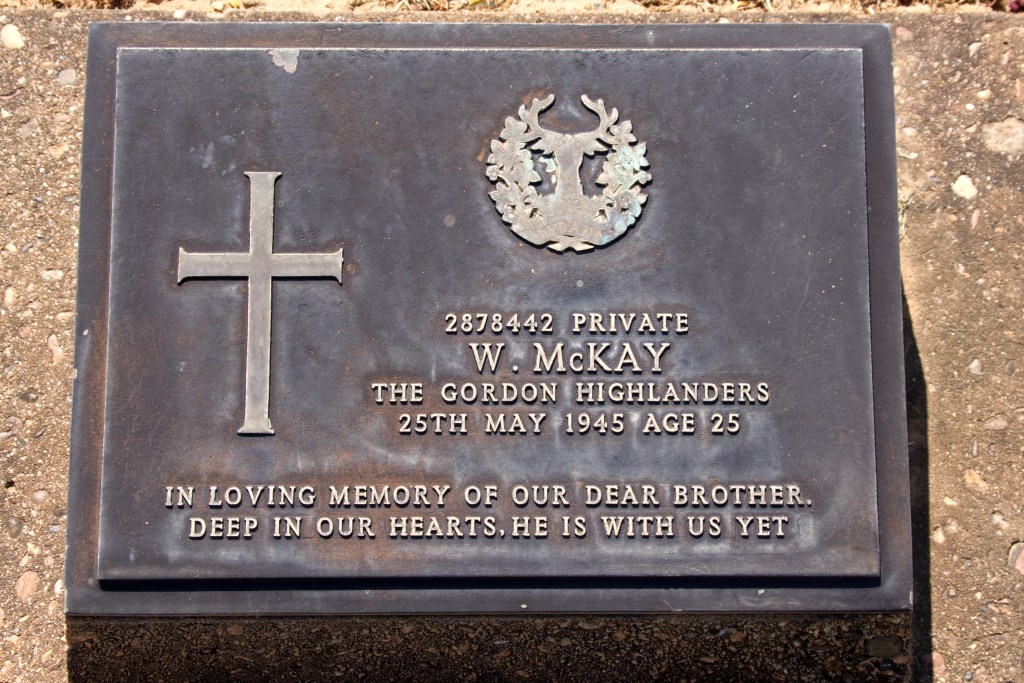
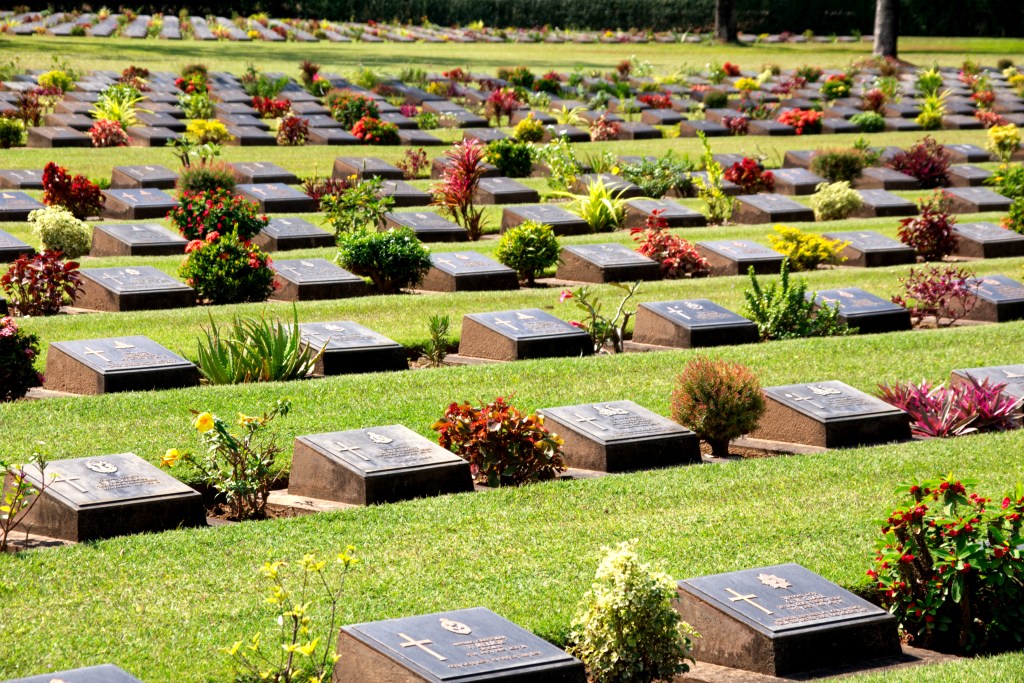
Just across the road from the museum is the cemetery. Walking amongst the immaculately maintained gravestones is an equally emotional experience. Though the majority of graves are of Commonwealth soldiers, a large number of Dutch soldiers are also buried in the cemetery. So though you will meet many Australians and New Zealanders paying their respects to those who have died, you will also meet many Dutch visitors paying their respects. Even though the cemetery represents an appalling period of history, there is an intangible beauty about it. It is heartening that people who died so long ago are still remembered.
Kanchanaburi railway station is just a five minutes walk from the cemetery. On our journey back to Bangkok we discussed all that we had done and seen during the day. One thing we decided on. We would visit Kanchanaburi again, but this time stay longer.
We would love to hear your thoughts in the comments section below. Please share with anyone you think may be interested. See you again soon!
 Godiva Travellers
Although thought about, I had never really considered just how beautiful Thailand is. It is heartwarming to see how respect is shown to those that died for the Thai-Burma railway too.
LikeLike
Thanks Lyndsey. Yes, Thailand is beautiful, we really enjoyed our trip there. The Commonwealth War Graves cemetery has many visitors and is beautifully kept.
LikeLike